Design is a Job Book Summary
In 'Design is a Job,' author Mike Monteiro offers a candid exploration of the design industry, revealing the often-overlooked truths behind the creative process. He emphasizes the importance of treating design as a profession, focusing on the business aspects and the crucial collaboration between designers and clients. Through practical advice and real-world examples, Monteiro challenges designers to advocate for their value and cultivate professionalism. With wit and unflinching honesty, he encourages readers to embrace their roles not just as artists, but as integral members of a project’s success. This book is a must-read for anyone looking to navigate the complexities of design in a way that’s both impactful and rewarding.
By
Published: 2012
"Design is not just what it looks like and feels like. Design is how it works."
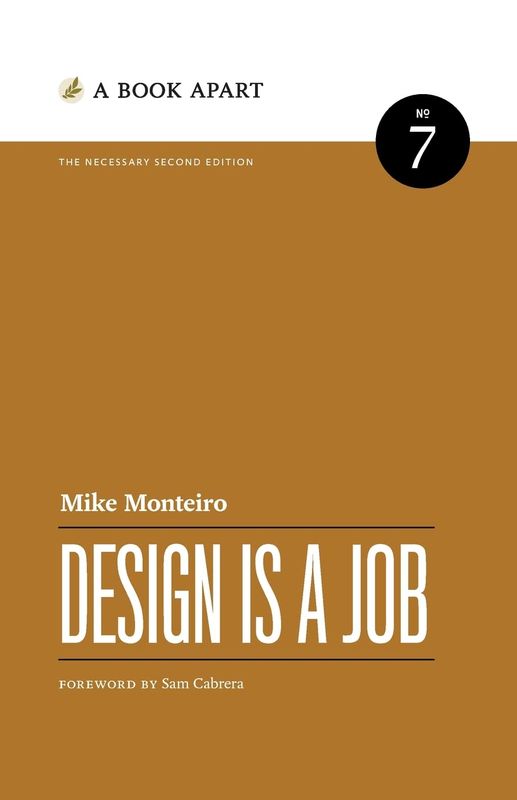

Start Listening to Book Summary
Book Review of Design is a Job
From contracts to selling design, from working with clients to working with each other, this brief book is packed with knowledge you cant afford not to know.
Book Overview of Design is a Job
About the Book Author
Book Details
Key information about the book.
- Authors
- Published
- January 2012
- Publisher
- Ingram
- ISBN
- 1937557049
- Language
- English
- Pages
- 137
- Genres
- UX/UI DesignDesign ThinkingGraphic DesignDesign
Purchase Options
 Buy on Amazon
 Buy via BookShop
Support local bookstores: BookShop gives a portion of each sale to independent bookshops!
Similar books you might like →
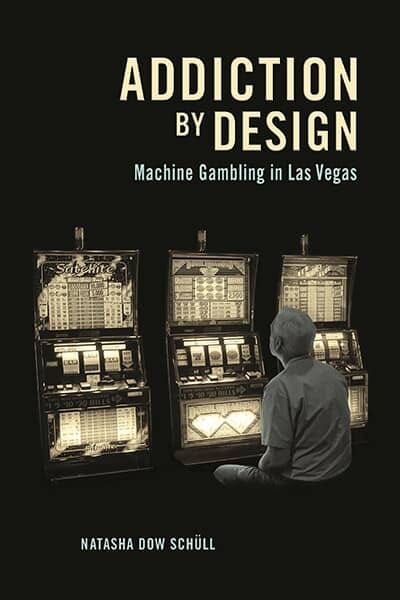
Addiction by Design Book Summary
In 'Addiction by Design', Natasha Dow Schüll explores the fascinating intersection of technology, gambling, and human psychology. She reveals how modern gaming machines are meticulously engineered to foster addictive behaviors, drawing players into a relentless cycle of engagement. Through immersive narratives and compelling case studies, Schüll raises critical questions about free will and the seductive nature of design in our digital age. This thought-provoking investigation challenges readers to consider the impact of technology on their lives and society at large. Dive into this eye-opening journey to understand the dark artistry behind the designs that capture us.

Identity Designed Book Summary
In 'Identity Designed,' David Airey takes readers on a captivating journey through the art and science of branding. This visually stunning book showcases a rich collection of global identities, revealing the strategies behind their creation. Airey delves into the psychological impact of design, urging readers to think deeply about how branding shapes perceptions. With insightful case studies and expert commentary, it sparks curiosity about the essence of identity in modern culture. Perfect for designers and entrepreneurs alike, this book invites you to explore the power of visual storytelling in building a brand.
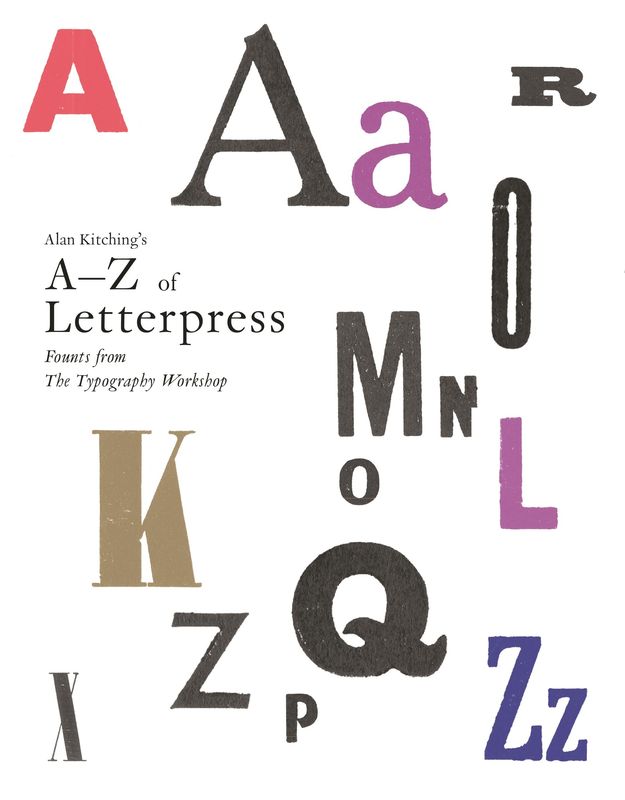
Alan Kitching's A-Z of Letterpress Book Summary
Dive into the vibrant world of letterpress printing with Alan Kitching, a master of this timeless craft. 'A-Z of Letterpress' not only showcases stunning visuals but also unfolds the rich history and techniques behind each striking letterform. As Kitching shares personal anecdotes and expert insights, readers are invited to explore the artistic possibilities of this tactile medium. Whether you're a seasoned designer or a curious novice, discover how the beauty of letterpress can transform your creative journey. Uncover the magic of typography and the passion that fuels this unique art form!
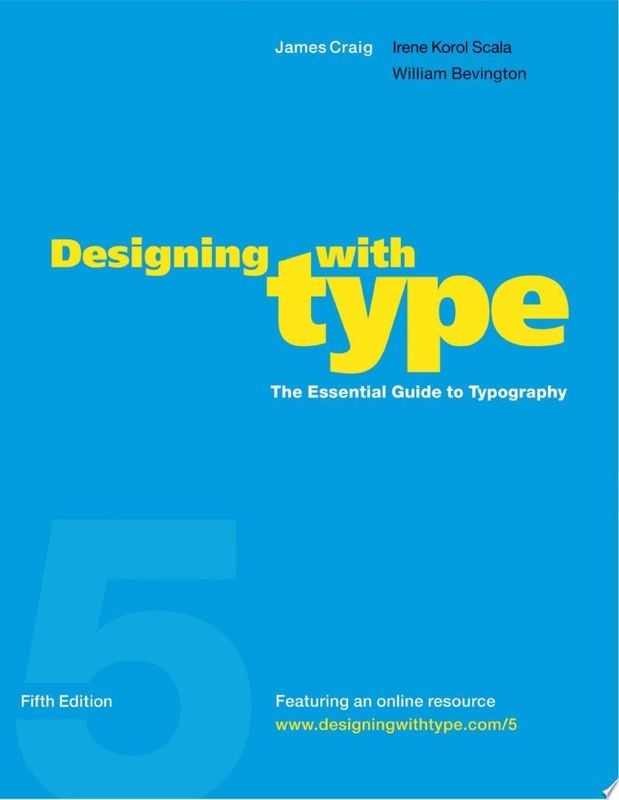
Designing with Type, 5th Edition Book Summary
Dive into the art and science of typography with 'Designing with Type, 5th Edition'. This essential guide unravels the intricacies of typefaces, spacing, and layout, empowering designers to elevate their work. Through a rich blend of practical insights and illustrative examples, Craig and Scala reveal how type influences design perception. Whether you’re a novice or a seasoned professional, this book opens your eyes to the transformative power of typography. Discover how to shape your visual communication and captivate your audience with every word.
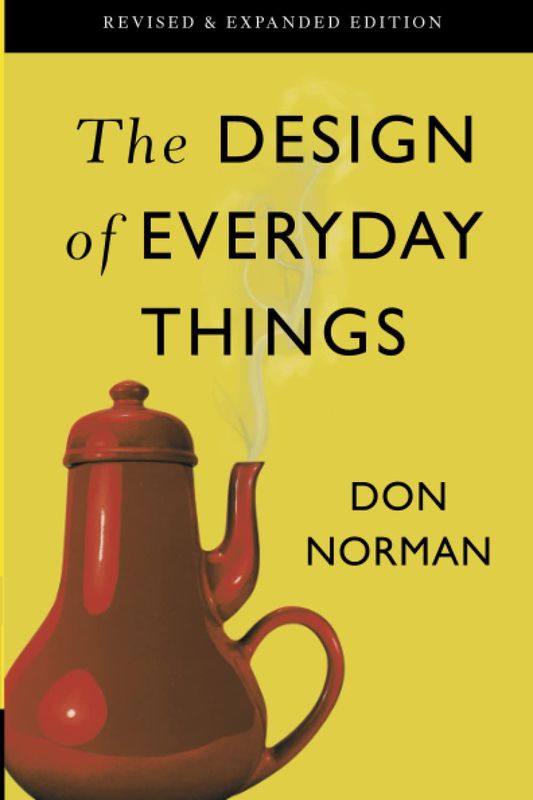
The Design of Everyday Things Book Summary
In 'The Design of Everyday Things', Don Norman reveals the hidden principles behind effective design that shapes our everyday interactions. He explores the psychological underpinnings of how we perceive and interact with objects, highlighting the importance of usability and user-centered design. Through captivating examples, Norman illustrates how poor design can lead to frustration, while thoughtful design enhances our experience. This book challenges readers to rethink the functionality of everyday items, making them consider the design choices behind the objects they encounter. Ultimately, it invites us to demand better designs that cater to our needs, making the mundane extraordinary.
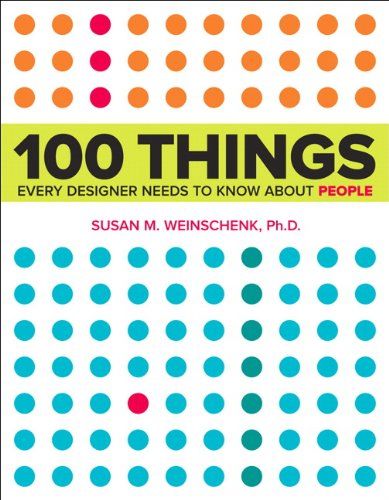
100 Things Every Designer Needs to Know about People Book Summary
In '100 Things Every Designer Needs to Know about People,' Susan Weinschenk unveils essential psychological principles that can enhance design effectiveness. With insights drawn from cognitive science, the book explores how people perceive, interact with, and make decisions about design. From the nuances of color perception to the importance of empathy in user experience, Weinschenk offers practical strategies for designers. Each principle is supported by fascinating research, making the content both informative and engaging. This enlightening guide equips designers to create more intuitive and user-friendly experiences, sparking curiosity about the intersection of psychology and design.
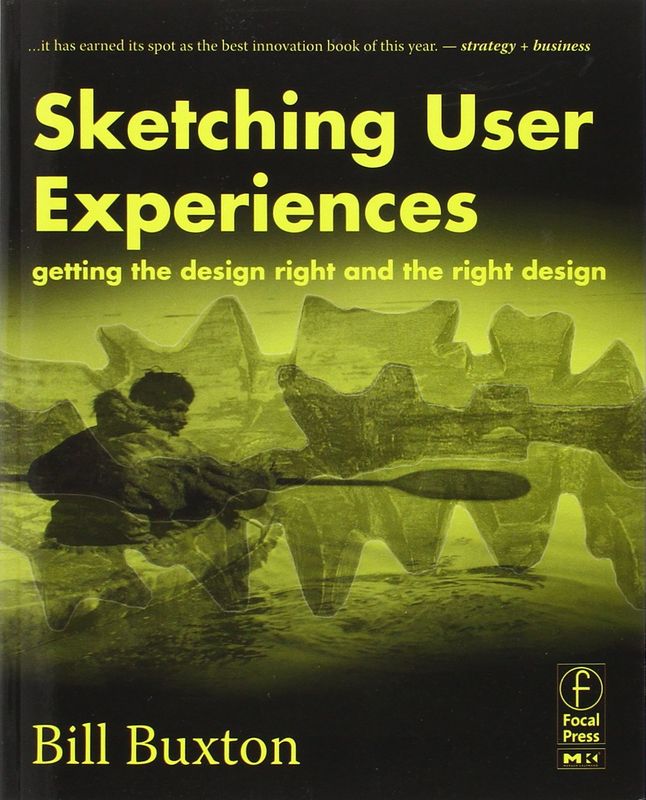
Sketching User Experiences: Getting the Design Right and the Right Design Book Summary
No summary available
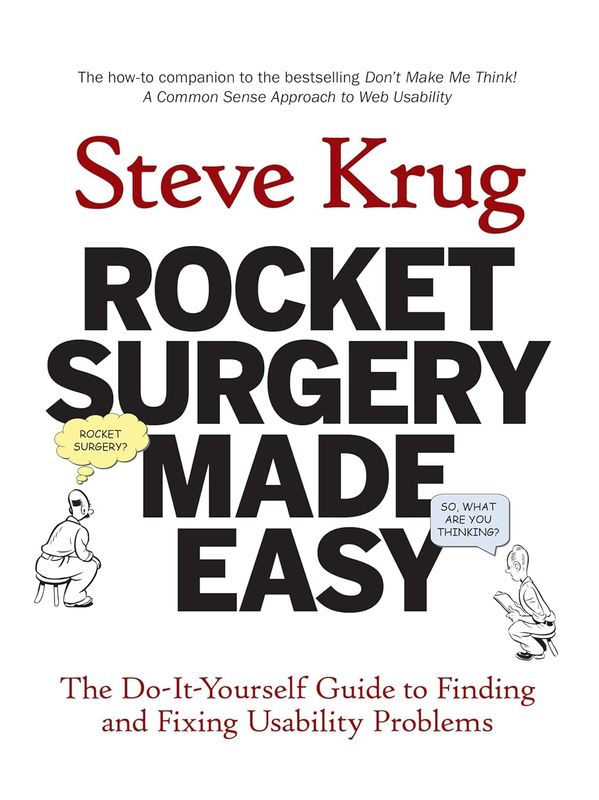
Rocket Surgery Made Easy Book Summary
In 'Rocket Surgery Made Easy', Steve Krug demystifies the process of usability testing, arguing that it's not rocket science—it's just common sense. Krug presents simple, practical techniques that anyone can use to identify and fix usability issues in their designs. Through engaging anecdotes and clear instruction, he empowers teams to enhance user experience without the need for extensive resources or expertise. This book transforms the way we think about user testing, making it accessible and effective for all. Prepare to revolutionize your approach to design and make your products truly user-friendly!
Showing 8 of 30 similar books
Take your reading experience to the next level
Download our mobile app to enjoy your favorite books on the go. Get access to exclusive features, offline listening, and personalized recommendations.

Similar Book Recommendations →

Liz Lambert's Book Recommendations
Liz Lambert is a renowned American hotelier and creative visionary, best known for transforming the hospitality industry through her innovative designs and storytelling approach. Though not primarily an author, Lambert's influence extends into literature through her evocative narratives about the places and people that inspire her work. Her most notable project, Hotel San José in Austin, Texas, has become a cultural landmark, celebrated in numerous design and lifestyle publications. Lambert's contributions have been documented in various books and documentaries, highlighting her impact on modern hospitality and design. Her ability to blend personal stories with public spaces has redefined the guest experience, making her a pivotal figure in contemporary hotel culture.

Julian Shapiro's Book Recommendations
Julian Shapiro is a renowned writer and entrepreneur, acclaimed for his insightful essays on personal growth and marketing strategies. He is the author of "The Julian Shapiro Collection," a compilation of his most impactful writings that have garnered a wide readership online. Shapiro co-founded the growth marketing agency Bell Curve, where he has helped numerous startups achieve exponential growth. His work often blends practical advice with deep philosophical inquiries, making complex subjects accessible to a broad audience. Through his prolific writing and entrepreneurial ventures, Julian has become a key figure in the intersection of business and self-improvement literature.

Jan Losert's Book Recommendations
Jan Losert is a visionary author and digital design expert, renowned for his contributions to the intersection of technology and creativity. His most significant work includes co-authoring "Design Systems Handbook," which has become a seminal guide for creating cohesive and efficient design frameworks. Losert's expertise extends to his role as a speaker and educator, where he passionately shares his insights on user experience and interface design. In addition to his literary achievements, he co-founded several successful startups, leveraging his deep understanding of design to drive innovation. His work continues to influence and inspire both emerging and established designers worldwide.

Bret Victor's Book Recommendations
Bret Victor is a renowned American interface designer and computer scientist celebrated for his innovative contributions to interactive design and human-computer interaction. He is best known for creating dynamic, explorable explanations, which have significantly influenced the way educational content is presented and understood. Victor's seminal work, "Inventing on Principle," advocates for the integration of immediate feedback in creative processes, inspiring a new wave of interactive programming environments. As a former member of the Apple Human Interface team, he played a pivotal role in shaping modern user interfaces. Through his organization, Dynamicland, Victor continues to explore and expand the boundaries of immersive, collaborative computing environments.

George Hatzis's Book Recommendations
George Hatzis is a lawyer, entrepreneur, and social media content creator known for his humorous and insightful takes on the legal profession. Through his popular Instagram account, Hatzis shares legal memes, advice, and commentary, making complex legal topics accessible and entertaining for a broad audience. He is also the founder of Hatzis Law, a firm that specializes in criminal defense and family law. Hatzis’ ability to merge legal expertise with humor has garnered him a large following, and he continues to be a unique voice in the legal community, advocating for modernizing the industry.

Caterina Fake's Book Recommendations
Caterina Fake is an American entrepreneur and investor, best known for co-founding Flickr, one of the first photo-sharing platforms that helped define social media and web 2.0. After the success of Flickr, Fake went on to co-found Hunch, a recommendation engine that was later acquired by eBay. She is a partner at Yes VC, a venture capital firm that invests in early-stage startups, with a focus on companies that foster human connection and creativity. Fake is also an advocate for ethical technology and often speaks about the importance of designing products that prioritize user well-being. Her contributions to tech and her insights on the intersection of technology and culture have made her a respected leader in the industry.

Ran Segall's Book Recommendations
Ran Segall is an Israeli designer, YouTuber, and entrepreneur, known for his work in freelance web design and his popular YouTube channel, Flux Academy. Segall provides design tutorials, business advice, and insights for freelancers, helping designers improve their craft and grow their businesses. He has built a successful online platform through his transparent and practical approach to design education. Segall also runs Flux Academy, where he teaches web design and freelancing strategies to aspiring designers around the world. His approachable style and expertise have made him a trusted resource in the design community.

Coleen Baik's Book Recommendations
Coleen Baik is an American designer, artist, and entrepreneur, known for her work in the tech industry, including as a founding team member of Twitter. Baik played a key role in shaping the user experience and design of Twitter in its early days, contributing to its iconic interface. She is also the founder of Baik Art, a multidisciplinary art studio that blends technology and visual art. Baik is passionate about using design to create meaningful and user-centered digital experiences, and she frequently speaks on topics related to innovation, design, and creativity. Her work has made her a prominent figure in the intersection of tech and design.
Showing 8 of 15 related collections
“Design is not just what it looks like and feels like. Design is how it works.”
Design is a Job
By
Frequently Asked Questions
Explore Our Catalogue
Discover a world of knowledge through our extensive collection of book summaries.
Genres
Genres
Genres
Featured Collections
- Top Book Club Picks
- One-Stop Nutrition
- Summer Reads 2024
- Best Beach Reads 2024
- Work-Life Balance Guide
- Time Management
- Healthy Foods
- Entrepreneur Toolkit
- Mind & Body Wellness
- Future Tech Insights
- Leadership Essentials
- Financial Freedom
- Sci-Fi Masterpieces
- Parenting 101
- Books That Became Blockbusters
- Guide to a Healthy Pregnancy