Elements of the Theory of Computation Book Summary
By Harry R. Lewis, Christos H. Papadimitriou
Published: 1998

Start Listening to Book Summary
Book Review of Elements of the Theory of Computation
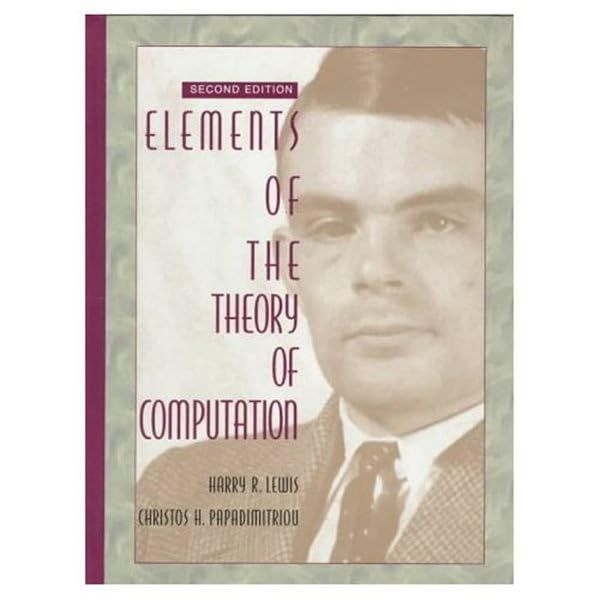
Appropriate for senior and graduate level courses in Computer Science Theory, Automata, and Theory of Computation. This is the long awaited Second Edition of Lewis and Papadimitriou's best-selling theory of computation text. In this substantially modified edition, the authors have enhanced the clarity of their presentation by making the material more accessible to a broader undergraduate audience with no special mathematical experience.
Book Overview of Elements of the Theory of Computation
About the Book Authors
Harry R. Lewis
Harry R. Lewis is an esteemed author and computer scientist, recognized for his contributions to the fields of computer science and education. He served as a professor at Harvard University for over 30 years and authored the influential book 'Excellence Without a Soul: How a Great University Forgot Education,' which explores the challenges in higher education. Lewis is also known for his work 'Fundamentals of Computer Algorithms,' co-authored with others, which is regarded as a foundational text in the study of algorithms. His writing style is characterized by clarity and a focus on engaging a broad audience, making complex topics accessible to both students and general readers.
Christos H. Papadimitriou
Christos H. Papadimitriou is a distinguished computer scientist and author, best known for his influential contributions to the fields of computer science and computational theory. Born in 1949 in Athens, Greece, he has authored several notable works, including 'Computational Complexity,' 'Algorithms', and 'Turing', which reflect his deep understanding of algorithms, complexity theory, and the philosophical implications of computation. Papadimitriou’s writing is characterized by its clarity and accessibility, often blending rigorous mathematical concepts with engaging narrative styles, making complex ideas understandable to a broader audience. He is also well-known for his engaging prose and ability to weave together personal anecdotes with scientific exposition, providing readers with a unique perspective on the interplay between technology and human experience.
Book Details
Key information about the book.
- Authors
- Harry R. Lewis, Christos H. Papadimitriou
- Published
- January 1998
- Publisher
- Pearson
- ISBN
- N/A
- Language
- English
- Pages
- 392
- Genres
- Software DevelopmentScience and NatureTechnology
Purchase Options
 Buy on Amazon
 Buy via BookShop
Support local bookstores: BookShop gives a portion of each sale to independent bookshops!
Similar books you might like →
Homo Deus Book Summary
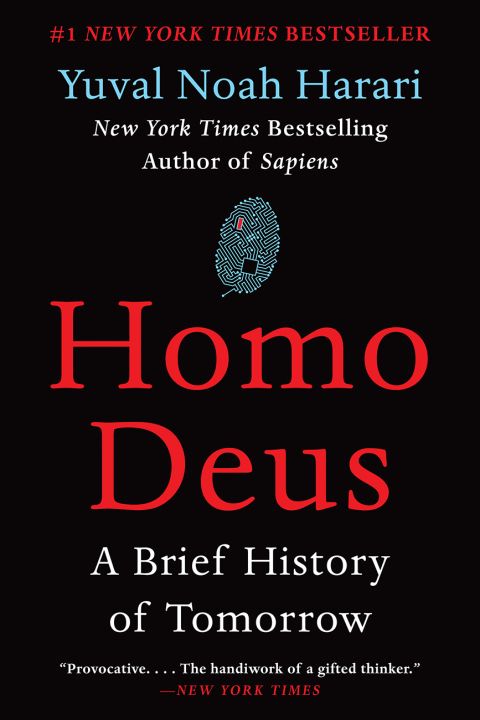
In "Homo Deus: A Brief History of Tomorrow," Yuval Noah Harari explores the future possibilities for humanity as we evolve beyond our current limitations. Delving into themes of artificial intelligence, genetic engineering, and the quest for immortality, he provokes thought about what may come after Homo sapiens. As society increasingly turns to technology for solutions, he questions the implications of our pursuit of happiness and god-like powers. Will we augment our bodies and minds, or lose our humanity in the process? This provocative journey invites readers to ponder the exhilarating—and terrifying—potential of our own evolution.
The Wright Brothers Book Summary
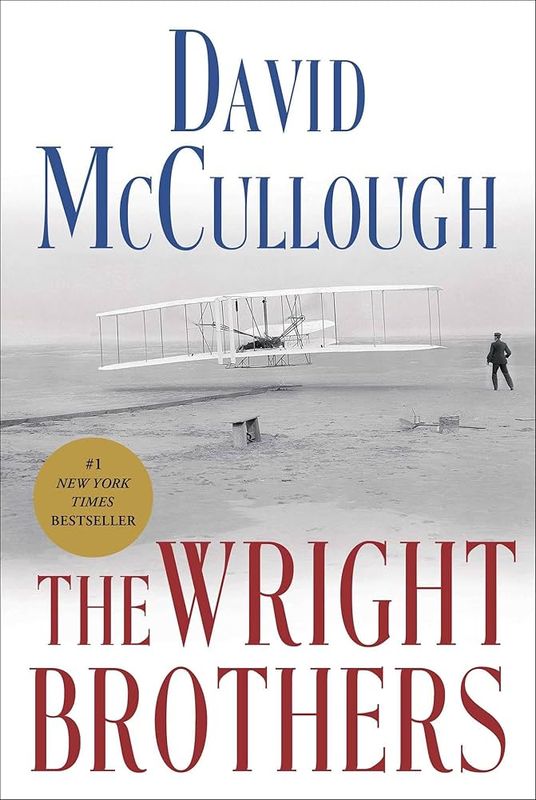
In "The Wright Brothers," David McCullough reveals the inspiring tale of two ambitious siblings who dared to dream of flight against all odds. Orville and Wilbur Wright's relentless pursuit of innovation takes them from a humble bicycle shop to the windswept shores of Kitty Hawk, where they make history with the first powered aircraft. Through meticulous research and vivid storytelling, the book unveils their trials, setbacks, and remarkable ingenuity. McCullough not only highlights their groundbreaking achievements but also delves into their close-knit family bonds and the spirit of perseverance that fueled their quest. Discover how two ordinary men changed the course of human destiny and sparked the modern era of aviation.
Clean Code Book Summary
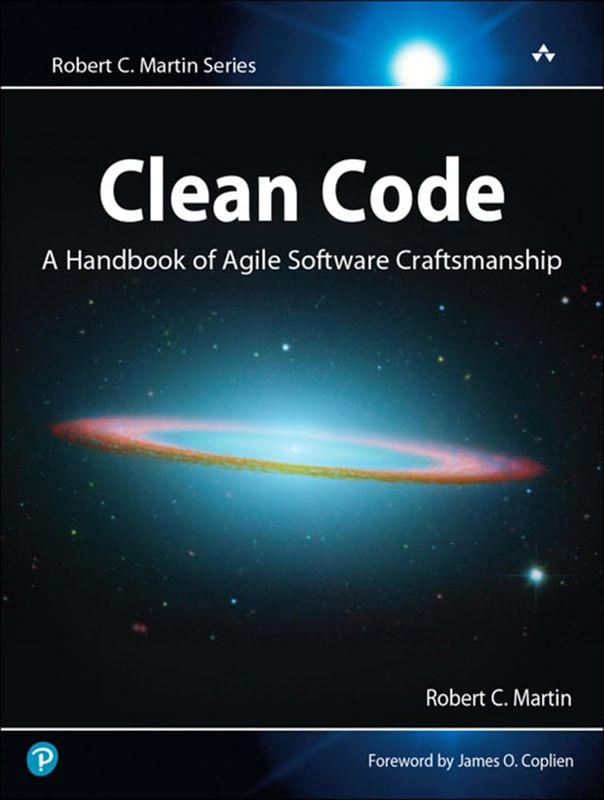
Clean Code: A Handbook of Agile Software Craftsmanship by Robert C. Martin is a masterclass in writing quality code that stands the test of time. Through a series of practical examples and principles, Martin reveals the art of developing clean, readable, and maintainable code, while emphasizing the moral responsibility of programmers. He challenges readers to confront their coding habits and provides actionable insights to elevate their skills. With an exploration of key concepts like refactoring, testing, and the importance of simplicity, this book becomes an essential guide for anyone who writes software. Dive in and discover how clean code not only enhances productivity but also fosters a culture of excellence in software development!
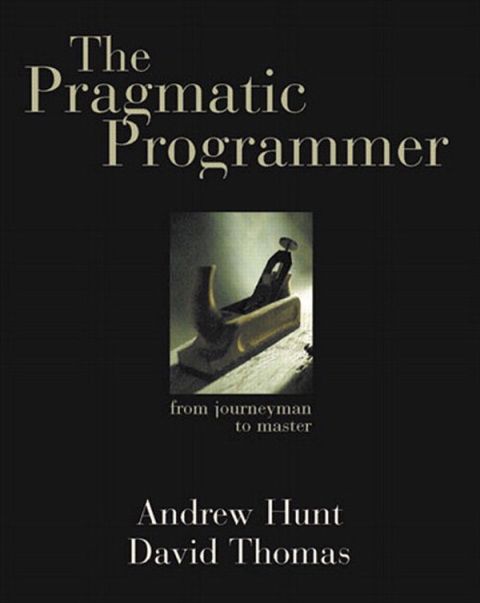
The Pragmatic Programmer Book Summary
In "The Pragmatic Programmer," Andrew Hunt and David Thomas unveil the timeless principles and practices that empower developers to master their craft. Through captivating anecdotes and insightful tips, they challenge conventional programming wisdom, urging readers to embrace adaptability and continuous learning. The compelling emphasis on practical techniques, such as code craftsmanship and effective debugging, makes this a must-read for both seasoned pros and new coders. With its blend of philosophy and actionable advice, the book invites you to reflect on your own software development journey. Prepare to elevate your programming skills and become a more versatile developer—your future self will thank you!
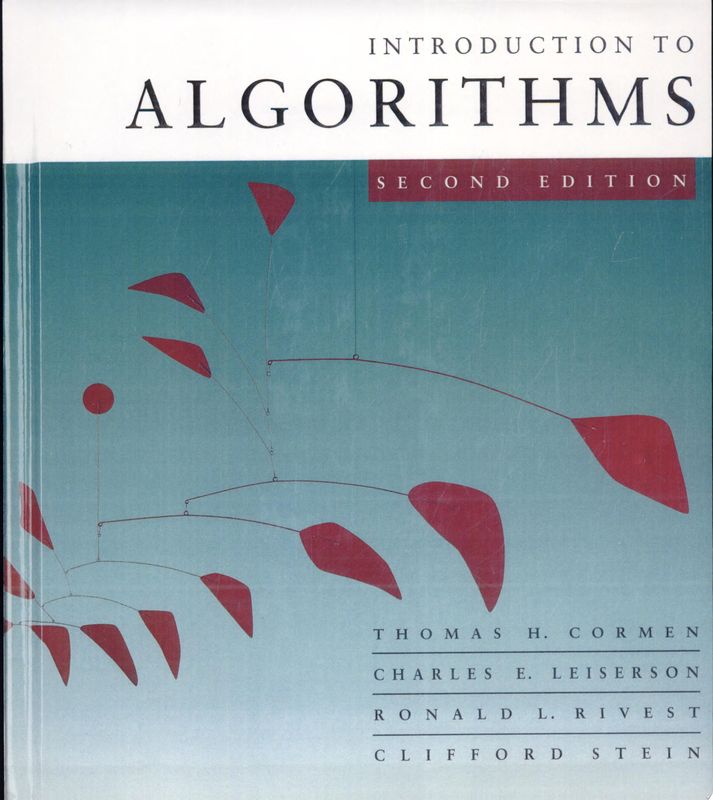
Introduction To Algorithms Book Summary
Introduction to Algorithms is a definitive guide that demystifies the art of algorithm design and analysis. Packed with clear explanations and illustrative examples, it reveals the underlying principles that drive computer science. Each chapter transforms complex topics into digestible insights, making it suitable for both novices and seasoned programmers. From sorting algorithms to graph theory, the book elucidates how these concepts shape our digital world. Dive in and discover how mastering algorithms can unlock solutions to some of the most challenging problems in technology today!
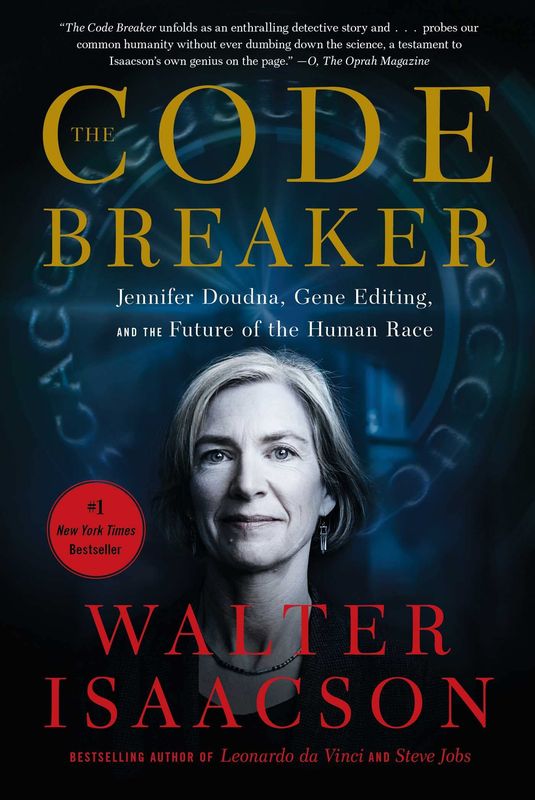
The Code Breaker Book Summary
In 'The Code Breaker', Walter Isaacson delves into the captivating world of CRISPR gene-editing technology, following the brilliant mind of Jennifer Doudna. This gripping narrative explores the ethical dilemmas and scientific breakthroughs that come with harnessing the power to edit life itself. As researchers grapple with the implications of their discoveries, readers are invited into a fast-paced journey that intertwines science, ambition, and morality. With vivid stories of personal triumphs and challenges, Isaacson raises profound questions about the future of humanity. Will unlocking the secrets of our DNA lead to a utopia or unforeseen consequences?
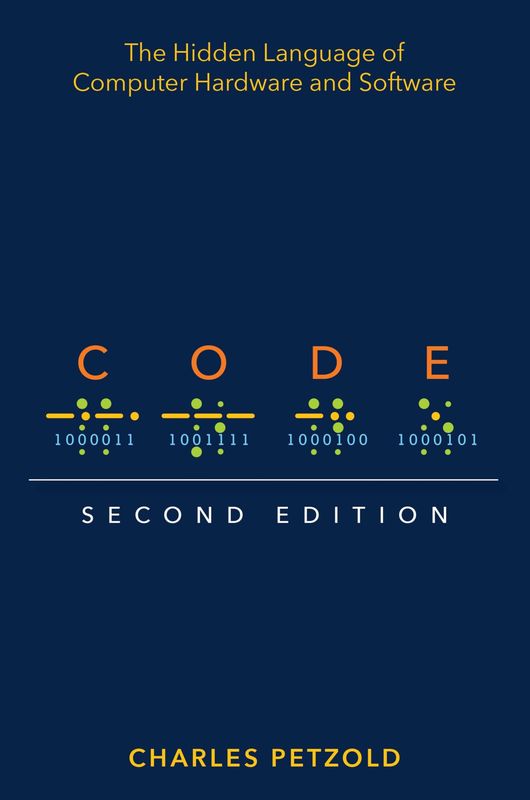
Code Book Summary
In 'Code', Charles Petzold takes readers on a captivating journey through the world of programming and computer science. He unravels the complex tapestry of how computers work, starting from simple concepts and building up to intricate systems. Through engaging anecdotes and metaphors, Petzold demystifies the inner workings of machines, making them accessible to everyone. This exploration not only reveals the beauty of code but also challenges us to think critically about the impact of technology in our lives. Prepare to see the digital world around you in a whole new light!
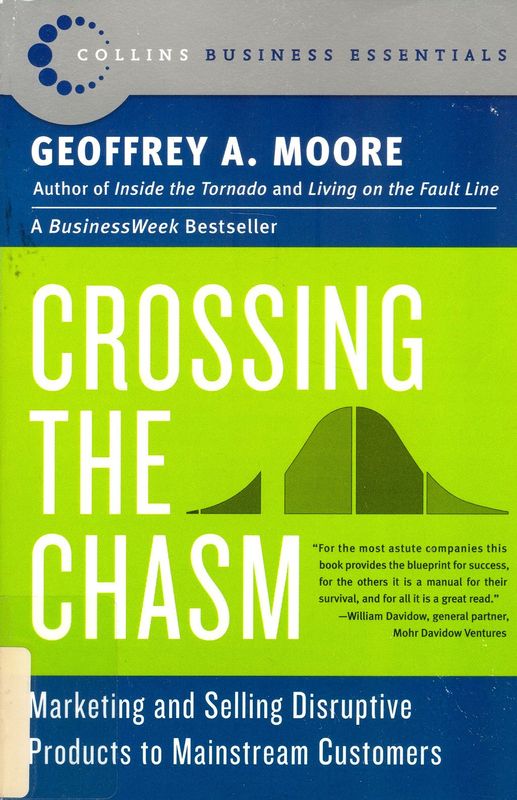
Crossing the Chasm Book Summary
In 'Crossing the Chasm', Geoffrey A. Moore presents a groundbreaking approach to marketing technology products. He explores the chasm between early adopters and the mainstream market, revealing why many innovations fail to gain traction. The book outlines strategies to bridge this divide, emphasizing the importance of targeting a specific niche first. Moore's insights are backed by real-world examples, making his concepts both practical and relatable. This must-read guide challenges entrepreneurs to rethink their marketing tactics and accelerate their product’s journey to success.
Showing 8 of 20 similar books
Take your reading experience to the next level
Download our mobile app to enjoy your favorite books on the go. Get access to exclusive features, offline listening, and personalized recommendations.

Similar Book Recommendations →

Lex Fridman's Book Recommendations
Lex Fridman is an artificial intelligence researcher, podcaster, and MIT professor, known for his work in autonomous vehicles, robotics, and deep learning. Fridman has gained widespread popularity through his podcast, Lex Fridman Podcast, where he interviews leading thinkers in science, technology, and philosophy, exploring topics like AI, consciousness, and the future of humanity. His academic work focuses on human-centered AI, aiming to create machines that can better understand and interact with humans. Fridman’s ability to distill complex topics into accessible conversations has earned him a large following, and his podcast is known for its thoughtful, in-depth discussions with some of the brightest minds of our time. He is also an advocate for the responsible development of AI, emphasizing the ethical implications of this rapidly advancing technology. Outside of academia and podcasting, Fridman is a practitioner of jiu-jitsu and frequently speaks about the importance of discipline and continuous learning.

Andrew Huberman's Book Recommendations
Andrew Huberman is a renowned neuroscientist and tenured professor at Stanford University, where he leads the Huberman Lab, focusing on brain function, behavior, and health. He has significantly contributed to the understanding of neural plasticity, particularly how the brain can change in response to experience and injury. Huberman is widely recognized for his engaging public science communication, which includes the popular "Huberman Lab" podcast that translates complex neuroscience topics into accessible insights for broad audiences. His research has been published in leading scientific journals, earning him numerous accolades and fostering a deeper public appreciation for neuroscience. Additionally, his work extends into practical applications, influencing fields such as mental health, vision restoration, and performance optimization.

Patrick Collison's Book Recommendations
Patrick Collison is an Irish entrepreneur and co-founder of Stripe, a global technology company that enables businesses to accept online payments. Along with his brother John, Patrick has transformed Stripe into one of the most valuable private tech companies in the world. Stripe’s innovative approach to online payments has made it a key player in the financial technology space. Collison is known for his deep interest in science, technology, and policy, often engaging in conversations about innovation, progress, and how to improve societal outcomes. He is an advocate for scientific advancement and the intersection of technology and public policy.

Barack Obama's Book Recommendations
Barack Obama is the 44th President of the United States, serving from 2009 to 2017. As the first African American president, Obama’s leadership marked a historic moment in American history. His administration focused on healthcare reform, economic recovery from the Great Recession, and environmental policies. He is best known for the Affordable Care Act, as well as his efforts to expand civil rights and restore diplomatic relations with Cuba. Since leaving office, Obama has continued to engage in public life through his foundation, focusing on leadership development, civic engagement, and global issues.

Morgan Housel's Book Recommendations
Morgan Housel is a financial writer and partner at The Collaborative Fund, best known for his book The Psychology of Money. His work explores the behavioral side of finance, emphasizing how emotions, history, and decision-making impact wealth-building. Housel’s writing is widely praised for being accessible, insightful, and engaging, making complex financial topics easier to understand. He contributes regularly to financial publications and speaks at conferences on the power of long-term thinking in finance. His book has become a modern classic in the personal finance genre.
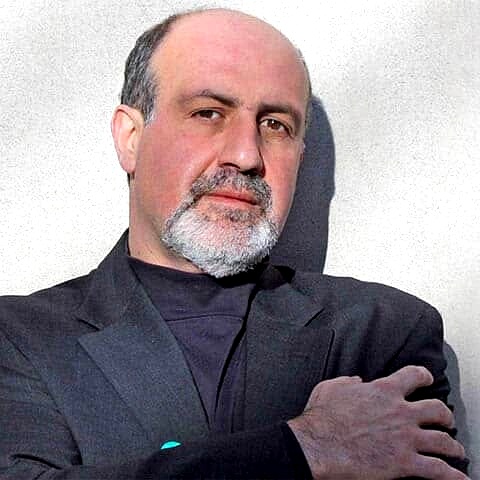
Nassim Nicholas Taleb's Book Recommendations
Nassim Nicholas Taleb is a Lebanese-American author, scholar, and risk analyst, best known for his work on uncertainty, probability, and risk. His books, including The Black Swan and Antifragile, explore how rare and unpredictable events shape the world and how individuals and systems can become more resilient to shocks. Taleb’s insights on risk management have influenced fields ranging from finance to medicine, and he is known for his outspoken criticism of conventional wisdom. His ideas about randomness, decision-making, and the limitations of human knowledge have made him a leading thinker in modern economics and philosophy.

Reid Hoffman's Book Recommendations
Reid Hoffman is an influential American entrepreneur, venture capitalist, and author, best known as the co-founder of LinkedIn, the professional networking platform that transformed online professional interactions. Hoffman has significantly impacted the business world through his investments in notable tech companies like Airbnb, Facebook, and Zynga. As an author, he has co-written several acclaimed books, including "The Start-Up of You" and "Blitzscaling," which provide strategic insights into career development and business growth. His works are celebrated for their practical advice and have become essential reading for aspiring entrepreneurs and business leaders. Hoffman's contributions extend beyond his literary efforts, as he remains a prominent figure in Silicon Valley, shaping the future of technology and innovation.

David Deutsch's Book Recommendations
David Deutsch is a British physicist and philosopher, widely known for his contributions to quantum mechanics, particularly in the area of quantum computation. He is the author of The Fabric of Reality and The Beginning of Infinity, where he explores the nature of knowledge, progress, and the future of human civilization. Deutsch’s work in quantum computing laid the groundwork for the development of quantum algorithms, positioning him as a pioneer in this emerging field. He is a proponent of the multiverse theory and has offered profound insights into the nature of reality, science, and human potential. Deutsch’s philosophical work emphasizes the power of reason and creativity in solving problems and expanding human understanding. His ideas have had a significant impact on the fields of theoretical physics and epistemology, making him a leading thinker on the future of science and technology. He continues to inspire both scientists and lay readers with his optimistic vision of a world shaped by knowledge and innovation.
Showing 8 of 13 related collections
Frequently Asked Questions
Explore Our Catalogue
Discover a world of knowledge through our extensive collection of book summaries.
Genres
Genres
Genres
Featured Collections
- Top Book Club Picks
- One-Stop Nutrition
- Summer Reads 2024
- Best Beach Reads 2024
- Work-Life Balance Guide
- Time Management
- Healthy Foods
- Entrepreneur Toolkit
- Mind & Body Wellness
- Future Tech Insights
- Leadership Essentials
- Financial Freedom
- Sci-Fi Masterpieces
- Parenting 101
- Books That Became Blockbusters
- Guide to a Healthy Pregnancy