Empire of the Summer Moon Book Summary
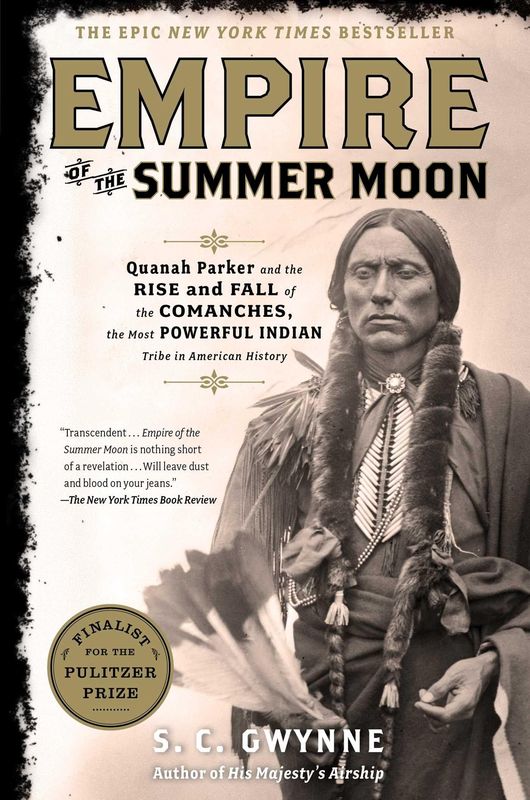
'Empire of the Summer Moon' chronicles the rise and fall of the Comanche nation, exploring their fierce resistance against American expansion in the 19th century. It vividly depicts the life of Cynthia Ann Parker, a white woman captured by the Comanche, who became a symbol of the clash between civilization and primal existence. S. C. Gwynne masterfully intertwines personal and historical narratives, revealing the complexities of cultural identity and the brutal realities of frontier life. As the Comanches faced relentless encroachment by settlers, their unparalleled horsemanship and warrior culture shone brightly against the backdrop of America’s westward expansion. This gripping tale invites readers to ponder the price of progress and the echoes of a forgotten frontier.
By S. C. Gwynne
Published: 2010
""The history of the Comanches is a history of warfare, resilience, and the unyielding spirit of a people who refused to be conquered.""

Start Listening to Book Summary
Book Review of Empire of the Summer Moon
Describes the actions of both whites and Comanches during a 40-year war over territory, in a story that begins with the kidnapping of a white girl, who grew up to marry a Comanche chief and have a son, Quanah, who became a great warrior.
Book Overview of Empire of the Summer Moon
About the Book Author
S. C. Gwynne
S. C. Gwynne is an acclaimed American author and journalist known for his engaging narratives and meticulous research. He gained widespread recognition for his bestselling works, including 'Empire of the Summer Moon,' which chronicles the rise and fall of the Comanche nation and its impact on the American West, and 'Rebel Yell,' the biography of Confederate General Stonewall Jackson. Gwynne's writing is characterized by its vivid storytelling, historical detail, and a keen insight into human nature, making complex historical events accessible and compelling to a broad audience.
Book Details
Key information about the book.
- Authors
- S. C. Gwynne
- Published
- May 2010
- Publisher
- Scribner Book Company
- ISBN
- 1416591052
- Language
- English
- Pages
- 371
- Genres
- Historical ConflictsAmerican HistoryHistoryCultural History
Purchase Options
 Buy on Amazon
 Buy via BookShop
Support local bookstores: BookShop gives a portion of each sale to independent bookshops!
Similar books you might like →

You are the Placebo Book Summary
In 'You are the Placebo', Joe Dispenza explores the astonishing power of the mind to heal the body and alter our reality. Through compelling research and real-life stories, he unveils how our thoughts and beliefs can lead to profound transformations. The author challenges the conventional understanding of the placebo effect, revealing that we can harness this phenomenon to create positive change in our lives. Dispenza provides practical techniques for tapping into this inner potential, inviting readers to become active participants in their healing journey. Are you ready to discover the untapped power within you and redefine your health and happiness?

The Nightingale's Song Book Summary
In 'The Nightingale's Song', Robert Timberg weaves a poignant tapestry of four extraordinary lives intertwined by the tumult of the Vietnam War. Through the lens of these men, he explores themes of sacrifice, resilience, and the pursuit of honor amidst chaos. As their paths intersect, secrets and truths surface, revealing the profound impact of war on their souls and futures. Timberg's narrative is a haunting reminder of the costs of conflict and the redemptive power of friendship. Will these men find peace in the echoes of their past, or are they forever haunted by the shadows of war?
The City in History Book Summary
In 'The City in History,' Lewis Mumford explores the evolution of urban life from ancient times to the modern metropolis. He argues that cities are not just physical structures but reflections of human values and societal progress. Mumford delves into the interplay between architecture, technology, and culture, revealing how they shape the human experience. With incisive critiques and vivid historical examples, he presents a vision of the ideal city that promotes both individuality and community. This thought-provoking journey challenges readers to reconsider the role of cities in their own lives and the future of civilization.
First, Break All The Rules Book Summary
Unlock the secrets of extraordinary management with 'First, Break All The Rules,' a groundbreaking book by the Gallup Organization. Drawing on interviews with over 80,000 managers, it reveals the unconventional practices of the world's most successful teams. Discover why traditional approaches to leadership fail and how breaking the rules can lead to a thriving workplace. With actionable insights and transformative strategies, this book challenges you to rethink your management style. Are you ready to defy convention and unleash the full potential of your team?
Thirty Rooms to Hide in Book Summary
In 'Thirty Rooms to Hide In,' Luke Sullivan invites readers into a labyrinth of memory and imagination, exploring the complexities of family, identity, and the spaces we inhabit. Through vividly drawn characters and poignant storytelling, Sullivan reveals the hidden corners of life that we often overlook. Each 'room' serves as a metaphor for the emotional landscapes we navigate, offering both refuge and reflection. As the protagonist confronts past traumas, the lines between reality and memory blur, engaging readers in a journey of self-discovery. Will you dare to enter each room and uncover the secrets they hold?
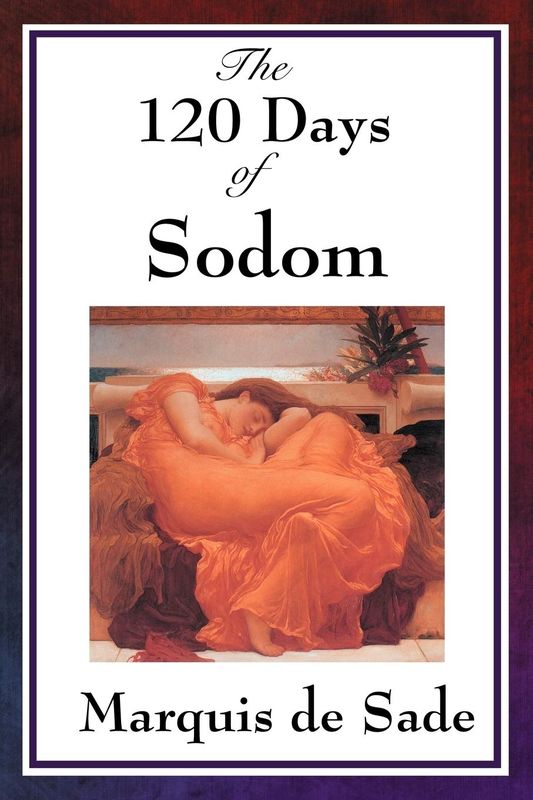
The 120 Days of Sodom Book Summary
In 'The 120 Days of Sodom', Marquis De Sade takes readers on a harrowing journey into the darkest corners of human desire and moral depravity. A group of wealthy libertines retreat to a remote castle, where they indulge in their wildest fantasies, pushing the boundaries of cruelty and pleasure. As the 120 days unfold, the tale weaves a visceral tapestry of excess, showcasing the grotesque intertwining of power and sexual freedom. With its unflinching portrayal of human nature, the novel challenges societal norms and provokes profound questions about morality and ethics. A provocative reading experience, this controversial work remains a stark commentary on the duality of liberation and oppression.
The God Delusion Book Summary
In 'The God Delusion', Richard Dawkins challenges the very foundation of religious belief, presenting a compelling case for atheism and scientific rationalism. With sharp wit and profound insight, he dismantles arguments for the existence of God and highlights the dangers of dogma. Dawkins explores the origins of religion and its impact on society, urging readers to embrace a more empirical worldview. This provocative work invites readers to reconsider their own beliefs and the influence of religion in modern life. Are you ready to question everything you've been taught about faith and reason?
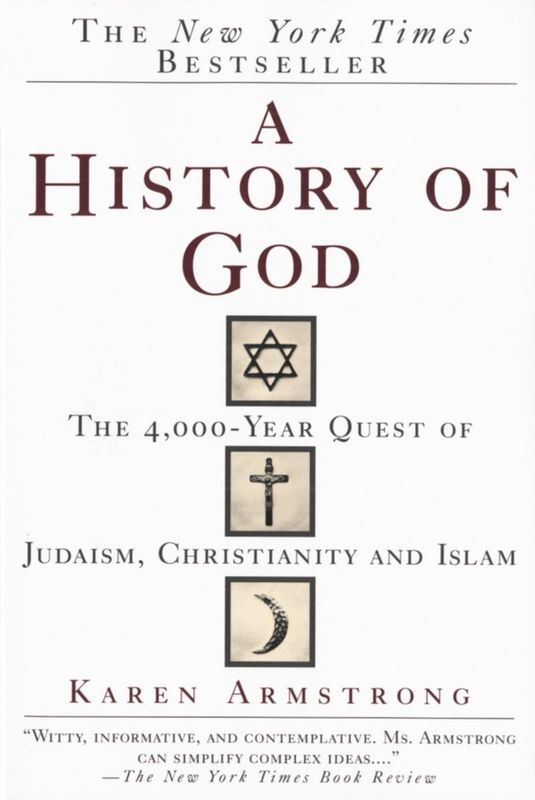
A History of God Book Summary
In 'A History of God', Karen Armstrong embarks on a fascinating journey through the evolution of the concept of God from ancient times to the modern era. She explores how various religions—Judaism, Christianity, and Islam—have shaped humanity's understanding of the divine, revealing the complexities and contradictions in these beliefs. Highlighting the influence of culture, politics, and philosophy, Armstrong invites readers to reconsider their perceptions of faith and spirituality. This thought-provoking narrative raises profound questions about the nature of belief and the future of religious thought. Are we on the brink of a new understanding of God, or are we simply repeating history?
Showing 8 of 29 similar books
Take your reading experience to the next level
Download our mobile app to enjoy your favorite books on the go. Get access to exclusive features, offline listening, and personalized recommendations.

Similar Book Recommendations →

Meghan Markle's Book Recommendations
Meghan Markle, Duchess of Sussex, is an American actress, humanitarian, and author known for her role as Rachel Zane on the television series "Suits." After marrying Prince Harry in 2018, she became a prominent figure in the British royal family and an advocate for social justice and women's rights. In 2021, she published her first children's book, "The Bench," which explores the bond between fathers and sons through a mother's eyes. Markle's literary work reflects her commitment to storytelling and her passion for fostering empathy and understanding. Beyond literature, she co-founded the Archewell Foundation with Prince Harry to promote compassion and well-being globally.

Lex Fridman's Book Recommendations
Lex Fridman is an artificial intelligence researcher, podcaster, and MIT professor, known for his work in autonomous vehicles, robotics, and deep learning. Fridman has gained widespread popularity through his podcast, Lex Fridman Podcast, where he interviews leading thinkers in science, technology, and philosophy, exploring topics like AI, consciousness, and the future of humanity. His academic work focuses on human-centered AI, aiming to create machines that can better understand and interact with humans. Fridman’s ability to distill complex topics into accessible conversations has earned him a large following, and his podcast is known for its thoughtful, in-depth discussions with some of the brightest minds of our time. He is also an advocate for the responsible development of AI, emphasizing the ethical implications of this rapidly advancing technology. Outside of academia and podcasting, Fridman is a practitioner of jiu-jitsu and frequently speaks about the importance of discipline and continuous learning.

Charlie Munger's Book Recommendations
Charlie Munger is an American investor, businessman, and philanthropist, best known as the vice chairman of Berkshire Hathaway, where he partners with Warren Buffett. Renowned for his insights on investment strategies and mental models, Munger has significantly influenced the world of finance. His notable literary contributions include "Poor Charlie's Almanack," a compilation of his speeches and writings that distill his wisdom on decision-making and business principles. Munger's work emphasizes the importance of multidisciplinary thinking and continuous learning. Beyond his financial acumen, he is celebrated for his charitable efforts, particularly in education and healthcare.

Barack Obama's Book Recommendations
Barack Obama is the 44th President of the United States, serving from 2009 to 2017. As the first African American president, Obama’s leadership marked a historic moment in American history. His administration focused on healthcare reform, economic recovery from the Great Recession, and environmental policies. He is best known for the Affordable Care Act, as well as his efforts to expand civil rights and restore diplomatic relations with Cuba. Since leaving office, Obama has continued to engage in public life through his foundation, focusing on leadership development, civic engagement, and global issues.

Morgan Housel's Book Recommendations
Morgan Housel is a financial writer and partner at The Collaborative Fund, best known for his book The Psychology of Money. His work explores the behavioral side of finance, emphasizing how emotions, history, and decision-making impact wealth-building. Housel’s writing is widely praised for being accessible, insightful, and engaging, making complex financial topics easier to understand. He contributes regularly to financial publications and speaks at conferences on the power of long-term thinking in finance. His book has become a modern classic in the personal finance genre.

Jocko Willink's Book Recommendations
Jocko Willink is a retired Navy SEAL officer, renowned for his leadership during the Battle of Ramadi in the Iraq War, which earned him the Silver Star and Bronze Star. Transitioning from military service, he co-authored the best-selling book "Extreme Ownership: How U.S. Navy SEALs Lead and Win" with fellow SEAL Leif Babin, which has become a cornerstone in leadership and management literature. Willink has also written the "Way of the Warrior Kid" series, aimed at empowering young readers with principles of discipline and resilience. Additionally, he hosts the popular "Jocko Podcast," where he discusses leadership, discipline, and personal development. Willink's influence extends beyond literature through his Echelon Front leadership consultancy, helping organizations implement effective leadership strategies.

David Deutsch's Book Recommendations
David Deutsch is a British physicist and philosopher, widely known for his contributions to quantum mechanics, particularly in the area of quantum computation. He is the author of The Fabric of Reality and The Beginning of Infinity, where he explores the nature of knowledge, progress, and the future of human civilization. Deutsch’s work in quantum computing laid the groundwork for the development of quantum algorithms, positioning him as a pioneer in this emerging field. He is a proponent of the multiverse theory and has offered profound insights into the nature of reality, science, and human potential. Deutsch’s philosophical work emphasizes the power of reason and creativity in solving problems and expanding human understanding. His ideas have had a significant impact on the fields of theoretical physics and epistemology, making him a leading thinker on the future of science and technology. He continues to inspire both scientists and lay readers with his optimistic vision of a world shaped by knowledge and innovation.

Elon Musk's Book Recommendations
Elon Musk is an influential entrepreneur and innovator known for founding and leading several groundbreaking companies, including Tesla, SpaceX, Neuralink, and The Boring Company. He has played a pivotal role in advancing electric vehicles, space exploration, and renewable energy. Musk's vision extends to colonizing Mars and reducing the risk of human extinction through space travel. In addition to his technological contributions, he has co-authored the book "Spacex: Making Commercial Spaceflight a Reality," providing insights into his ambitious projects and vision for the future. Musk's relentless pursuit of innovation continues to shape the trajectory of multiple industries.
Showing 8 of 15 related collections
“"The history of the Comanches is a history of warfare, resilience, and the unyielding spirit of a people who refused to be conquered."”
Empire of the Summer Moon
By S. C. Gwynne
Frequently Asked Questions
Explore Our Catalogue
Discover a world of knowledge through our extensive collection of book summaries.
Genres
Genres
Genres
Featured Collections
- Top Book Club Picks
- One-Stop Nutrition
- Summer Reads 2024
- Best Beach Reads 2024
- Work-Life Balance Guide
- Time Management
- Healthy Foods
- Entrepreneur Toolkit
- Mind & Body Wellness
- Future Tech Insights
- Leadership Essentials
- Financial Freedom
- Sci-Fi Masterpieces
- Parenting 101
- Books That Became Blockbusters
- Guide to a Healthy Pregnancy