Meltdown Book Summary
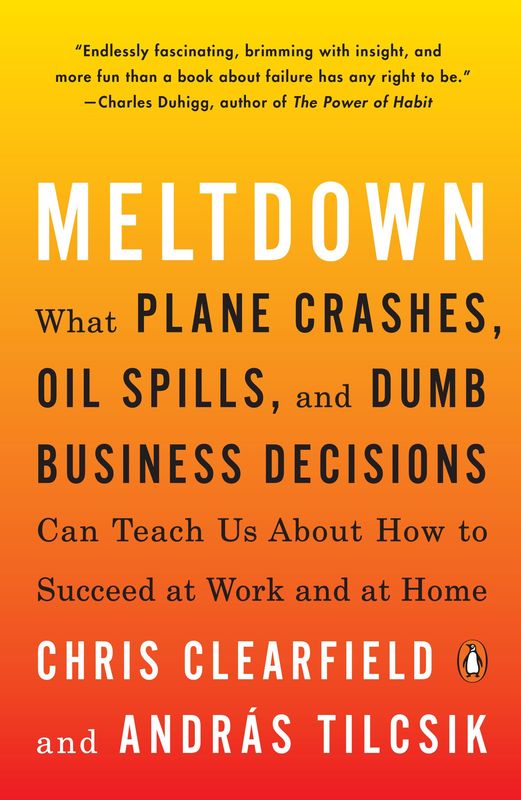
In "Meltdown," Chris Clearfield and András Tilcsik delve into the complexities of modern systems, revealing how small errors can lead to catastrophic failures. The authors draw on case studies from various industries, illustrating the chaotic interplay between technology and human decision-making. As they dissect real-life meltdowns, readers are challenged to rethink the fragility of seemingly robust systems. They offer intriguing insights into building resilience and preventing future disasters. This thought-provoking exploration compels us to consider: how can we better navigate the intricate webs of our interconnected world?
By Chris Clearfield, András Tilcsik
Published: 2019
"In a world where complexity is ever-growing, the greatest challenge lies not in predicting failure, but in understanding how chaos can shape success."

Start Listening to Book Summary
Book Review of Meltdown
NAMED A BEST BOOK OF 2018 BY THE FINANCIAL TIMES A groundbreaking take on how complexity causes failure in all kinds of modern systems--from social media to air travel--this practical and entertaining book reveals how we can prevent meltdowns in business and life "Endlessly fascinating, brimming with insight, and more fun than a book about failure has any right to be, Meltdown will transform how you think about the systems that govern our lives. This is a wonderful book."--Charles Duhigg, author of The Power of Habit and Smarter Faster Better A crash on the Washington, D.C. metro system. An accidental overdose in a state-of-the-art hospital. An overcooked holiday meal. Surprising new research shows that all these events--and the myriad failures that dominate headlines every day--share similar causes. By understanding what lies behind these failures, we can design better systems, make our teams more productive, and transform how we make decisions at work and at home. Weaving together cutting-edge social science with riveting stories that take us from the frontlines of the Volkswagen scandal to backstage at the Oscars, and from deep beneath the Gulf of Mexico to the top of Mount Everest, Chris Clearfield and András Tilcsik explain how the increasing complexity of our systems creates conditions ripe for failure and why our brains and teams can't keep up--with an emphasis on practical solutions. It's an eye-opening, empowering, and entirely original book--one that will change the way you see our complex world and your own place in it.
Book Overview of Meltdown
About the Book Authors
Chris Clearfield
Chris Clearfield is an accomplished author and consultant, known for his insightful writing on the dynamics of complex systems and risk management. He is the co-author of the praised book "Meltdown: Why Our Systems Fail and What We Can Do About It," which explores the intricacies of modern systems and the failures that can arise within them. Clearfield's writing is characterized by its clarity and ability to distill complicated concepts into accessible narratives, making complex subjects understandable to a broad audience. His work often blends rigorous research with engaging storytelling, appealing to both professionals and the general public interested in the intricacies of systemic risk.
András Tilcsik
András Tilcsik is a distinguished author and researcher known for his contributions to the fields of organizational behavior and sociology. His notable works include 'Organizational Culture: A Critical Review', which explores the dynamics of culture within organizations, and 'The Road to Uncertainty', a thought-provoking analysis of decision-making processes in uncertain environments. Tilcsik's writing style is characterized by its clarity and analytical depth, effectively bridging theory and practical application to engage both academic and general audiences.
Book Details
Key information about the book.
- Authors
- Chris Clearfield, András Tilcsik
- Published
- March 2019
- Publisher
- Penguin Books
- ISBN
- 0735222657
- Language
- English
- Pages
- N/A
- Genres
- Business and EconomicsOrganizational BehaviorManagement TheoriesTechnology
Purchase Options
 Buy on Amazon
 Buy via BookShop
Support local bookstores: BookShop gives a portion of each sale to independent bookshops!
Similar books you might like →
How Google Works Book Summary
In "How Google Works", Eric Schmidt and Jonathan Rosenberg unveil the inner workings of one of the world's most innovative companies. Delving into the intersection of technology, business strategy, and culture, they explore how flexibility and creativity fuel Google's success. The authors share insider anecdotes and pivotal lessons about fostering collaboration and embracing change in a fast-paced digital landscape. You’ll discover the vital role data plays in decision-making and how to cultivate a "smart creatives" mindset. Prepare to be inspired by the blueprint of a company that has revolutionized not just the tech industry, but the very way we navigate information itself.
The Phoenix Project Book Summary
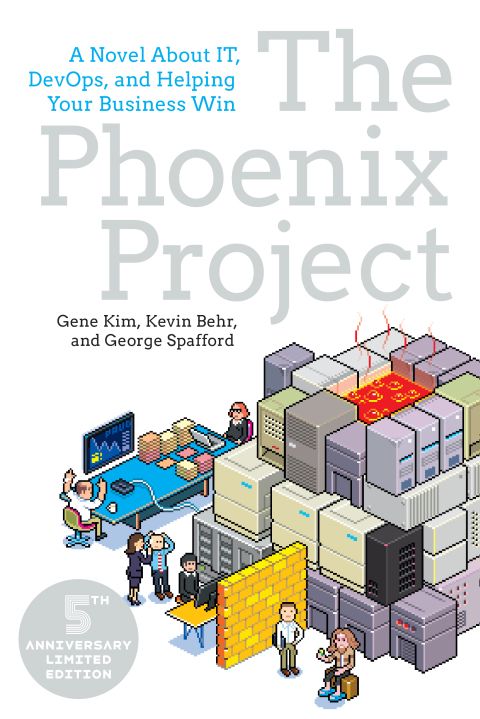
In "The Phoenix Project," chaos reigns at Parts Unlimited, a car manufacturer struggling to keep up with a rapidly changing tech landscape. When IT manager Bill Palmer is unexpectedly thrust into a project vital for the company's survival, he discovers the interconnected challenges of people, processes, and technology. As he navigates through daily crises and corporate politics, Bill learns the transformative power of DevOps principles. Can he turn the company around before it's too late? This compelling tale blends fiction with valuable lessons, making it a must-read for anyone facing modern business challenges.
Zero to One Book Summary
In 'Zero to One', entrepreneurs Peter Thiel and Blake Masters explore the art of innovation, urging readers to create something truly new rather than incremental improvements. They challenge conventional wisdom by revealing how monopolies foster progress, rather than competition, in today’s economy. Thiel outlines the mindset required to pursue unique ventures and emphasizes the importance of technology in creating transformative ideas. Through compelling anecdotes and thought-provoking insights, the book advocates for the pursuit of the extraordinary. Will you dare to think differently and build something that changes the world?
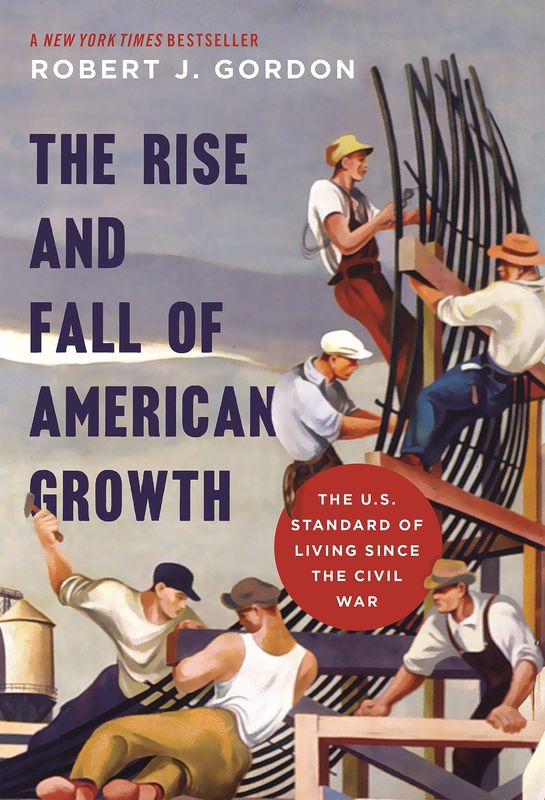
The Rise and Fall of American Growth Book Summary
In 'The Rise and Fall of American Growth', economist Robert J. Gordon explores the transformative economic changes in the United States from the Civil War to the present day. He argues that the unprecedented growth in productivity and living standards during the early 20th century was a unique historical event that has now waned. As technological advances slow and inequality rises, Gordon challenges the optimistic narrative of perpetual progress. With a keen examination of historical data and cultural shifts, he raises questions about America’s future economic trajectory. This thought-provoking analysis invites readers to reconsider the sustainability of growth in an increasingly complex world.
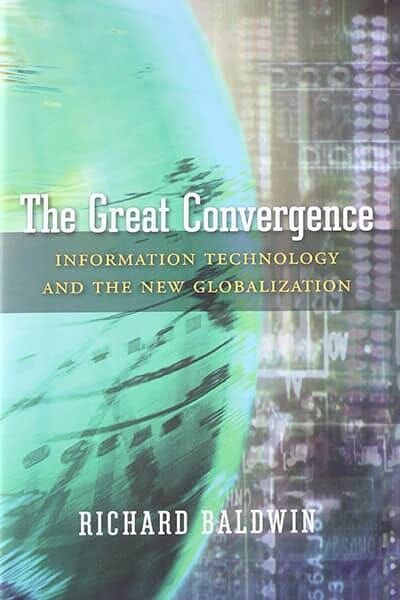
The Great Convergence Book Summary
In 'The Great Convergence,' Richard Baldwin takes readers on a compelling journey through the forces shaping our global economy, emphasizing the revolutionary impact of digital technology. He argues that the convergence of production and consumption is redefining international borders and reshaping global trade. As we become more interconnected than ever, Baldwin raises critical questions about the future of jobs and economic disparity. Will the merging of markets lead to prosperity, or will it deepen existing divides? A thought-provoking exploration that challenges conventional wisdom and invites readers to rethink the implications of our rapidly changing world.
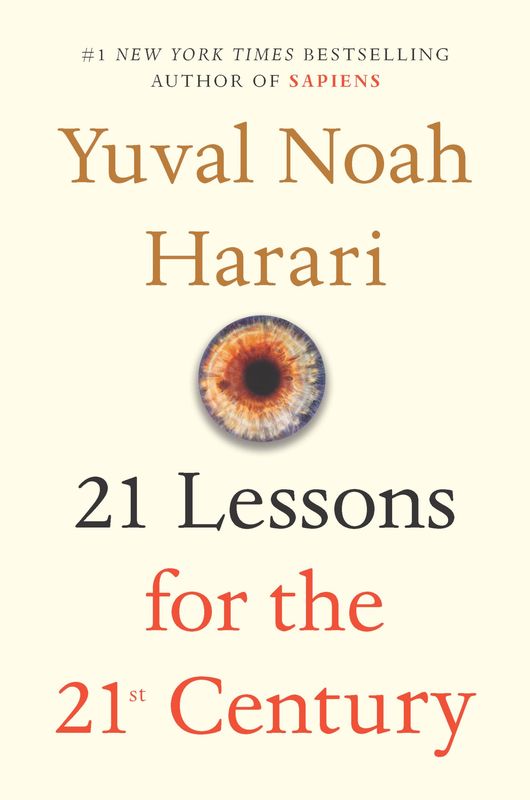
21 Lessons for the 21st Century Book Summary
In '21 Lessons for the 21st Century', Yuval Noah Harari navigates the complex landscape of today's world, tackling urgent questions about our future. From the impact of technology on society to the challenges of political stability, each lesson provokes thought and introspection. Harari explores key themes such as the rise of artificial intelligence, the significance of data, and the importance of meaning in an increasingly uncertain world. With a blend of history, philosophy, and science, the book invites readers to reflect on their roles in shaping a shared future. Will we adapt, or become obsolete? Dive in to uncover the lessons that could redefine humanity's path.
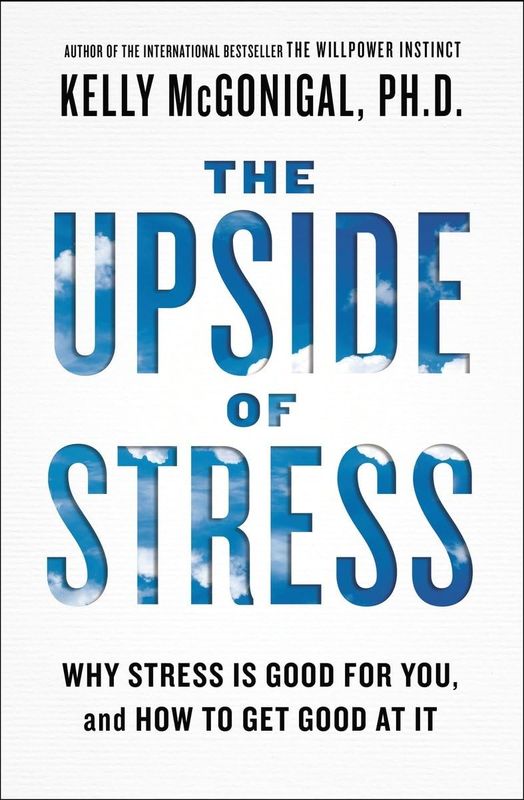
The Upside of Stress Book Summary
In 'The Upside of Stress', Kelly McGonigal challenges the conventional wisdom that stress is inherently harmful. Instead, she argues that our mindset about stress can transform our experience of it into a force for growth and resilience. Through engaging anecdotes and scientific research, McGonigal reveals how embracing stress can enhance our performance and deepen our connections with others. This compelling exploration invites readers to rethink their relationship with stress and discover its surprising potential. Are you ready to flip the script on stress and unlock its hidden benefits?
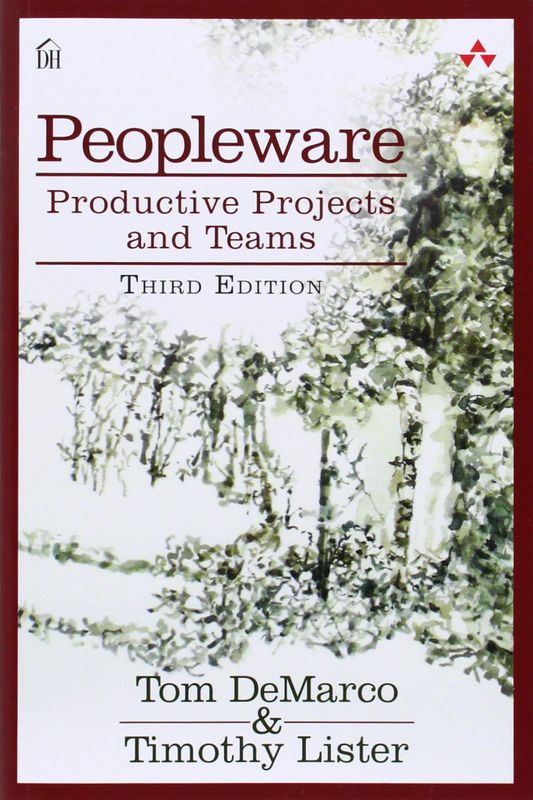
Peopleware Book Summary
In 'Peopleware', Tom DeMarco and Timothy R. Lister delve into the often-overlooked human factors that influence software development success. They argue that a company's culture and team dynamics are as critical as technology and tools for productivity and innovation. Packed with insightful anecdotes and real-world examples, this book challenges conventional management practices and highlights the importance of treating employees as valuable assets. Readers will discover actionable strategies to foster collaboration, creativity, and trust within teams. Can the right environment transform mere employees into high-performing teams?
Showing 8 of 29 similar books
Take your reading experience to the next level
Download our mobile app to enjoy your favorite books on the go. Get access to exclusive features, offline listening, and personalized recommendations.

Similar Book Recommendations →

Alex Lieberman's Book Recommendations
Alex Lieberman is the co-founder and executive chairman of Morning Brew, a media company that delivers engaging business news. Under his leadership, Morning Brew has grown to reach millions of subscribers, becoming a significant player in modern business journalism. Lieberman is also known for his insightful commentary on entrepreneurship and media trends. His work has significantly influenced the way business news is consumed by younger audiences. Beyond Morning Brew, Lieberman frequently writes and speaks about the intersection of media and technology, further cementing his role as a thought leader in the industry.

John Doerr's Book Recommendations
John Doerr is an American venture capitalist and chairman of Kleiner Perkins, one of the most prominent venture capital firms in Silicon Valley. Doerr has backed some of the biggest names in tech, including Google, Amazon, and Netscape, and has played a crucial role in the rise of the internet economy. He is also the author of Measure What Matters, which popularized the concept of Objectives and Key Results (OKRs) as a method for goal-setting in organizations. Doerr is a passionate advocate for addressing climate change and has invested in clean energy startups to help combat global warming. His contributions to tech and sustainability have made him a leading figure in venture capital.

Steve Jobs's Book Recommendations
Steve Jobs was an American entrepreneur, inventor, and co-founder of Apple Inc., known for revolutionizing the personal computing, music, and smartphone industries. Jobs’ vision for technology was focused on simplicity, innovation, and user experience, leading to the development of iconic products like the Macintosh, iPod, iPhone, and iPad. He also co-founded Pixar Animation Studios, which became one of the most successful animation companies in the world. Jobs’ influence extended beyond technology, shaping the way people interact with media, communication, and design. His legacy as a visionary leader and innovator continues to impact industries around the globe.

Bret Victor's Book Recommendations
Bret Victor is a renowned American interface designer and computer scientist celebrated for his innovative contributions to interactive design and human-computer interaction. He is best known for creating dynamic, explorable explanations, which have significantly influenced the way educational content is presented and understood. Victor's seminal work, "Inventing on Principle," advocates for the integration of immediate feedback in creative processes, inspiring a new wave of interactive programming environments. As a former member of the Apple Human Interface team, he played a pivotal role in shaping modern user interfaces. Through his organization, Dynamicland, Victor continues to explore and expand the boundaries of immersive, collaborative computing environments.

Marc Andreessen's Book Recommendations
Marc Andreessen is an American entrepreneur, software engineer, and venture capitalist, best known for co-creating the Mosaic web browser, the first widely-used web browser, and co-founding Netscape. Andreessen is also the co-founder of Andreessen Horowitz, one of Silicon Valley’s most prominent venture capital firms, where he invests in groundbreaking technology companies like Facebook, Airbnb, and Coinbase. He is a thought leader on the impact of technology and innovation, often sharing his views on the future of the internet and startups. His contributions to the development of the web and the tech ecosystem have made him one of the most influential figures in technology.

Ana Fabrega's Book Recommendations
Ana Lorena Fabrega is an innovative educator and author passionate about reimagining education. Known as “Ms. Fab,” she is the Chief Evangelist at Synthesis, an education startup inspired by the problem-solving and collaboration model used at SpaceX. She advocates for alternative learning methods, encouraging curiosity and creativity in students. Ana's work emphasizes the importance of engaging young learners in real-world challenges and critical thinking. She also shares insights on education reform through her popular newsletter, Fab Fridays.

Alexey Moiseenkov's Book Recommendations
Alexey Moiseenkov is a Russian entrepreneur and tech innovator best known for creating Prisma, the groundbreaking mobile app that transforms photos into artworks using artificial intelligence. Though not primarily a literary figure, his work in AI and digital transformation has influenced contemporary discussions on the intersection of technology and art. Moiseenkov's contributions have been featured in various tech and innovation journals, highlighting his impact on modern digital culture. His work underscores the evolving narrative of creativity in the digital age, bridging the gap between artistic expression and technological advancement. Moiseenkov continues to inspire through his ongoing ventures in AI and entrepreneurship.

Anu Hariharan's Book Recommendations
Anu Hariharan is a distinguished partner at Y Combinator's Continuity Fund, where she has been instrumental in scaling numerous startups into successful enterprises. With a strong background in economics and technology, she has become a respected voice in the venture capital community. Hariharan has also made significant contributions through her writing on startup growth and investment strategies, offering insightful analyses and practical advice to entrepreneurs. Her work is frequently featured in leading business publications, showcasing her expertise in the tech industry. Beyond her professional accomplishments, Hariharan is committed to fostering diversity and inclusion within the startup ecosystem.
Showing 8 of 25 related collections
“In a world where complexity is ever-growing, the greatest challenge lies not in predicting failure, but in understanding how chaos can shape success.”
Meltdown
By Chris Clearfield, András Tilcsik
Frequently Asked Questions
Explore Our Catalogue
Discover a world of knowledge through our extensive collection of book summaries.
Genres
Genres
Genres
Featured Collections
- Top Book Club Picks
- One-Stop Nutrition
- Summer Reads 2024
- Best Beach Reads 2024
- Work-Life Balance Guide
- Time Management
- Healthy Foods
- Entrepreneur Toolkit
- Mind & Body Wellness
- Future Tech Insights
- Leadership Essentials
- Financial Freedom
- Sci-Fi Masterpieces
- Parenting 101
- Books That Became Blockbusters
- Guide to a Healthy Pregnancy