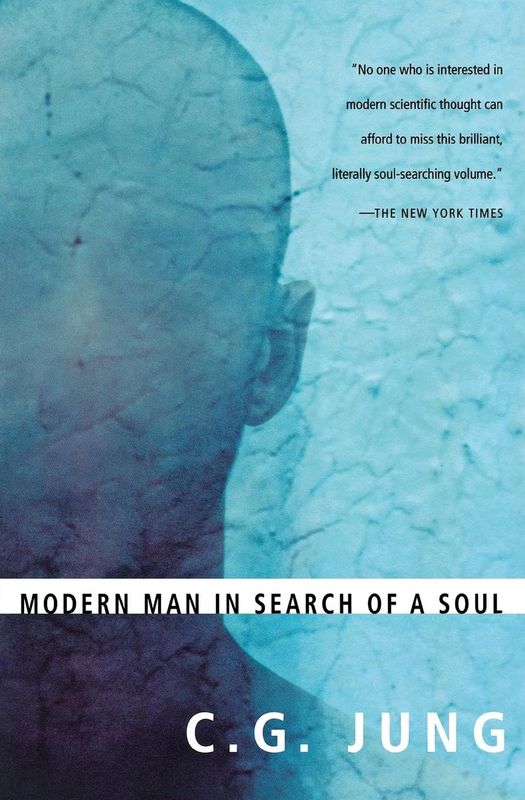
Modern Man in Search of a Soul Book Summary
In 'Modern Man in Search of a Soul', Carl Gustav Jung embarks on a captivating exploration of the complexities of the human psyche, challenging readers to confront their own subconscious minds. Through a series of profound essays, he delves into dreams, archetypes, and the concept of the collective unconscious, revealing the deep connection between our inner worlds and external realities. Jung invites us to understand the importance of spirituality and individuality in a rapidly changing, modern society. As he intertwines psychological theory with existential inquiry, the book becomes a compelling call to rediscover the soul in an increasingly mechanized world. This thought-provoking journey encourages readers to seek balance between reason and emotion, making it a timeless guide for anyone yearning for deeper self-understanding.
By Carl Gustav Jung
Published: 1933
""The privilege of a lifetime is to become who you truly are.""

Start Listening to Book Summary
Book Review of Modern Man in Search of a Soul
For other editions, see Author Catalog.
Book Overview of Modern Man in Search of a Soul
About the Book Author
Carl Gustav Jung
Carl Gustav Jung (1875-1961) was a Swiss psychiatrist and psychoanalyst who founded analytical psychology. He is best known for his exploration of the human psyche, theories of the collective unconscious, and concepts such as archetypes and individuation. Jung's notable works include 'Man and His Symbols,' 'Psychological Types,' and 'Memories, Dreams, Reflections.' His writing style is characterized by its depth and complexity, often blending personal narrative with psychological theory, and reflecting his interest in the mystical and symbolic aspects of human experience.
Book Details
Key information about the book.
- Authors
- Carl Gustav Jung
- Published
- January 1933
- Publisher
- Houghton Mifflin Harcourt
- ISBN
- 0156612062
- Language
- English
- Pages
- 256
- Genres
- Cognitive PsychologyExistentialismPsychologySpiritual GrowthSpirituality and Religion
Purchase Options
 Buy on Amazon
 Buy via BookShop
Support local bookstores: BookShop gives a portion of each sale to independent bookshops!
Similar books you might like →
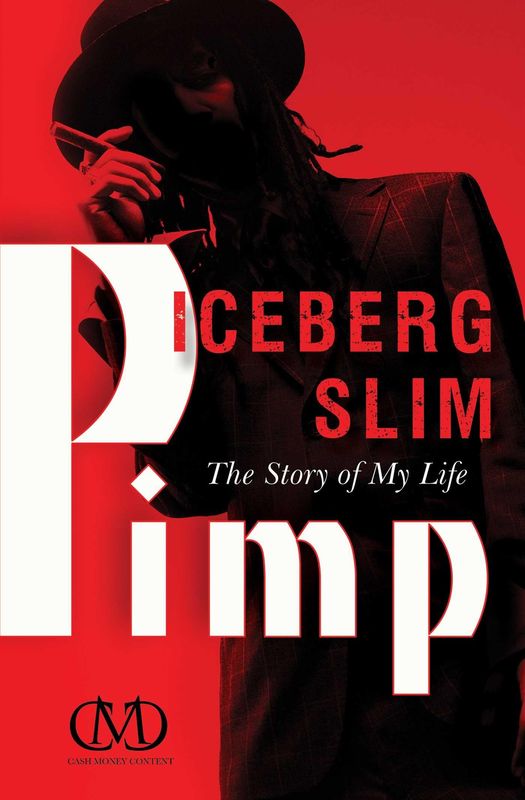
Pimp Book Summary
'Pimp' by Iceberg Slim is a raw and gripping memoir that delves into the harsh realities of life on the streets of Chicago during the 1940s. Slim pulls back the curtain on the brutal world of pimping, revealing the struggles, dangers, and moral dilemmas faced by those involved. Through his vivid storytelling, he immerses readers in a life of crime, power, and lust, while also exploring themes of survival and redemption. Will Slim escape the clutches of his dark past, or is he forever trapped in a cycle of corruption? This provocative narrative challenges preconceived notions and forces readers to confront the stark truths of an unforgiving society.
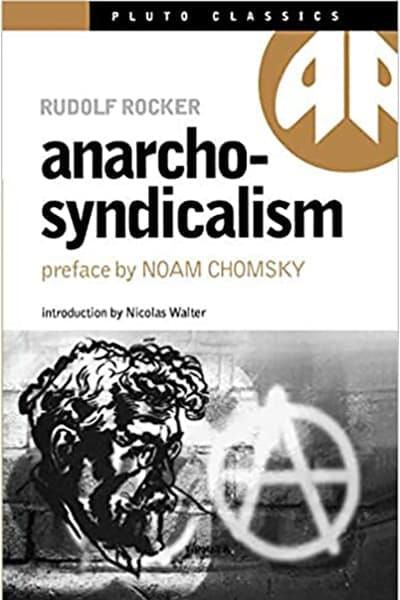
Anarcho-Syndicalism Book Summary
In 'Anarcho-Syndicalism', Rudolf Rocker presents a compelling vision of a society rooted in workers' self-management and direct action. He critiques capitalism and the state, advocating for a revolutionary movement that empowers labor. Rocker explores the historical context and theoretical foundations of anarcho-syndicalism, revealing its potential to challenge oppression and inequality. With a passionate call to arms, he inspires readers to envision a world where solidarity and cooperation thrive. This thought-provoking work invites you to reconsider the dynamics of power and the role of organized labor in shaping a just society.
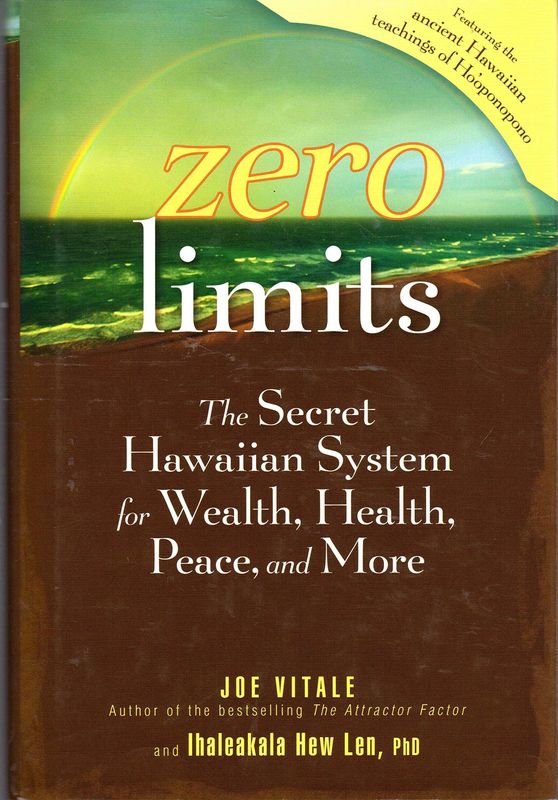
Zero Limits Book Summary
In 'Zero Limits', Joe Vitale and Dr. Ihaleakala Hew Len unveil the ancient Hawaiian philosophy of Ho'oponopono, revealing its transformative potential for personal healing and achieving limitless potential. The authors illustrate how taking 100% responsibility for our lives can lead to profound changes in our experiences and relationships. Through fascinating anecdotes, they demonstrate the power of forgiveness, love, and the divine to clear mental and emotional blocks. Readers are taken on a journey to uncover the secrets of the self, the importance of mental cleansing, and the art of creating an extraordinary life. Are you ready to discover how to wipe the slate clean and unleash the power of zero limits?
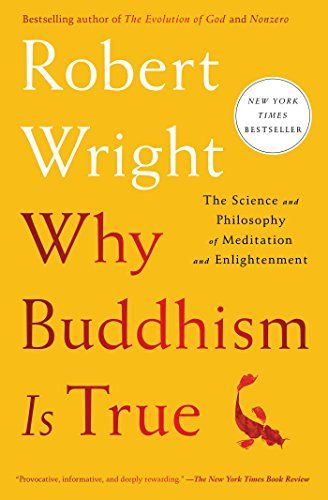
Why Buddhism is True Book Summary
In 'Why Buddhism is True', Robert Wright explores the intersections of modern psychology and ancient Buddhist philosophy, revealing how mindfulness can enhance our understanding of reality. He delves into the science of the mind, explaining why our thoughts often deceive us and how Buddhism offers a remedy. Through engaging anecdotes and thought-provoking insights, Wright demonstrates that the principles of Buddhism can lead to a more fulfilling life. He challenges readers to rethink their beliefs and consider the benefits of a Buddhist approach to pain and suffering. Will you discover the truth that can liberate your mind?
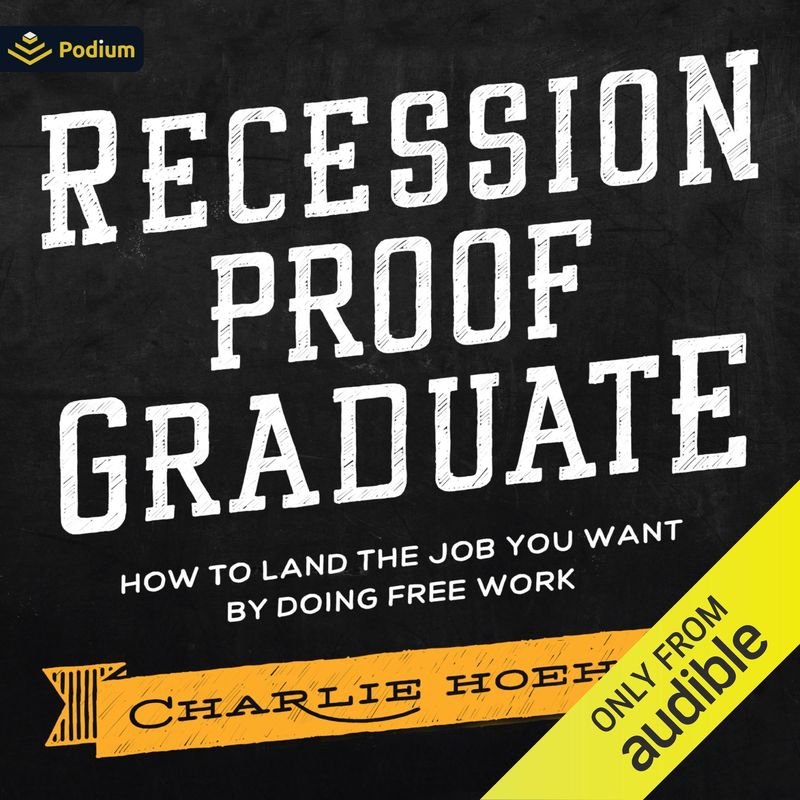
Recession Proof Graduate Book Summary
'Recession Proof Graduate' serves as a survival guide for students navigating the volatile job market. With practical strategies and insights, it empowers graduates to stand out even in challenging economic times. The book delves into essential skills, networking techniques, and innovative thinking needed to thrive. Readers will discover how to adapt and leverage their education for success regardless of external conditions. This compelling read is a beacon of hope for any aspiring professional aiming to secure their future.
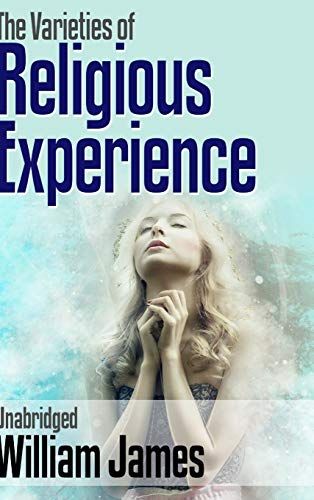
The Varieties of Religious Experience (Unabridged) Book Summary
In 'The Varieties of Religious Experience,' William James embarks on a fascinating exploration of faith, spirituality, and the myriad ways humans experience the divine. Drawing from his groundbreaking lectures, he delves into personal testimonies and psychological insights, revealing the profound impact of religious beliefs on individual lives. James challenges conventional notions of religion, presenting it as a rich tapestry of emotional and cognitive experiences rather than rigid dogmas. This unabridged edition invites readers to ponder the essence of belief and its role in understanding the human condition. A must-read for anyone intrigued by the intersection of psychology, religion, and personal transformation.

The Aeneid Book Summary
In 'The Aeneid,' Virgil weaves an epic tale of heroism, destiny, and divine intervention as Aeneas, a Trojan warrior, embarks on a quest to found a new homeland in Italy. Captivatingly rich in myth and prophecy, the narrative explores themes of duty and sacrifice against the backdrop of war and the whims of the gods. Aeneas faces treacherous foes and intoxicating love, leading to his heart-wrenching choices that shape the future of Rome. The story melds personal struggle with the greater saga of civilization, challenging readers to ponder the cost of greatness. Will Aeneas fulfill his fate, or will the forces of fate and passion lead him astray?
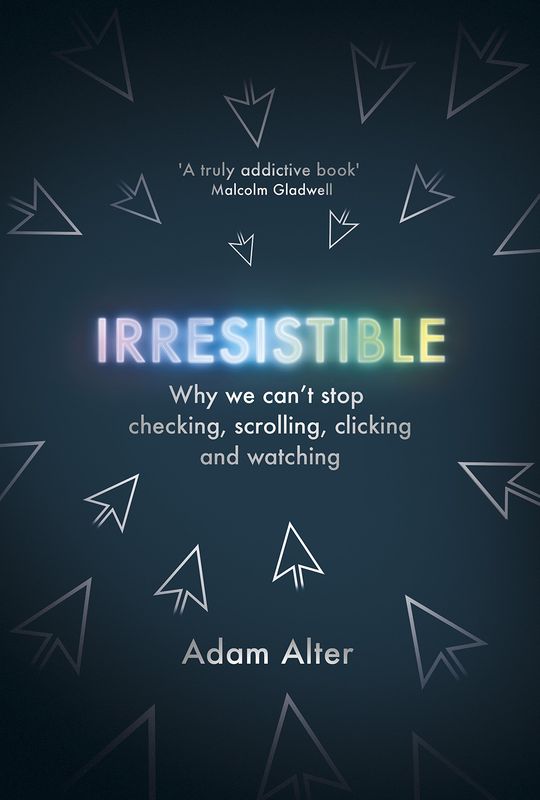
Irresistible Book Summary
In 'Irresistible', Adam Alter reveals the compelling forces behind our obsession with technology and the addictive nature of modern distractions. He uncovers how these influences manipulate our behaviors, often leading us to make choices we later regret. As he dissects the psychology of addiction, Alter offers eye-opening insights that question our relationship with screens and social media. This book isn’t just about technology; it’s a wake-up call to reclaim our attention and prioritize what truly matters. Prepare to rethink your daily habits and discover the keys to enjoying a more fulfilling life.
Showing 8 of 29 similar books
Take your reading experience to the next level
Download our mobile app to enjoy your favorite books on the go. Get access to exclusive features, offline listening, and personalized recommendations.

Similar Book Recommendations →
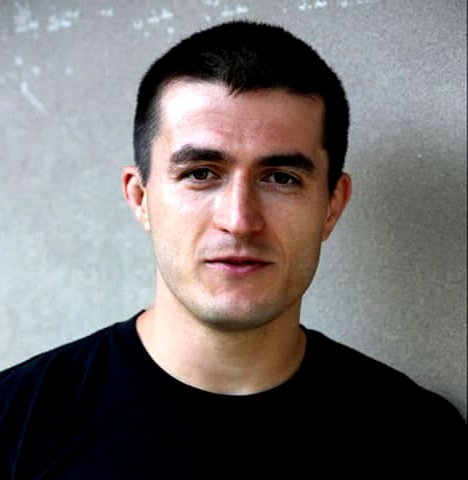
Lex Fridman's Book Recommendations
Lex Fridman is an artificial intelligence researcher, podcaster, and MIT professor, known for his work in autonomous vehicles, robotics, and deep learning. Fridman has gained widespread popularity through his podcast, Lex Fridman Podcast, where he interviews leading thinkers in science, technology, and philosophy, exploring topics like AI, consciousness, and the future of humanity. His academic work focuses on human-centered AI, aiming to create machines that can better understand and interact with humans. Fridman’s ability to distill complex topics into accessible conversations has earned him a large following, and his podcast is known for its thoughtful, in-depth discussions with some of the brightest minds of our time. He is also an advocate for the responsible development of AI, emphasizing the ethical implications of this rapidly advancing technology. Outside of academia and podcasting, Fridman is a practitioner of jiu-jitsu and frequently speaks about the importance of discipline and continuous learning.
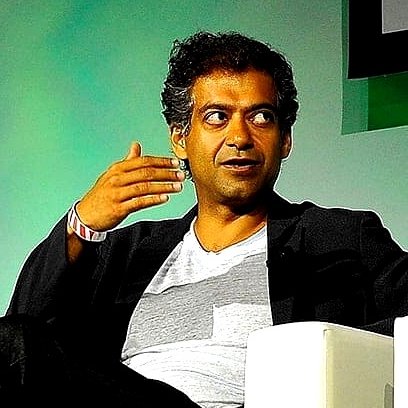
Naval Ravikant's Book Recommendations
Naval Ravikant is an entrepreneur, angel investor, and philosopher, best known as the co-founder of AngelList, a platform that connects startups with investors. Ravikant is a prolific thinker and writer on topics such as startups, investing, and personal well-being, sharing his wisdom through essays, podcasts, and social media. He has invested in over 100 companies, including Uber, Twitter, and Yammer, making him one of Silicon Valley’s most successful angel investors. Ravikant is also known for his philosophical musings on wealth, happiness, and the meaning of life, which have garnered him a large and dedicated following.

Barack Obama's Book Recommendations
Barack Obama is the 44th President of the United States, serving from 2009 to 2017. As the first African American president, Obama’s leadership marked a historic moment in American history. His administration focused on healthcare reform, economic recovery from the Great Recession, and environmental policies. He is best known for the Affordable Care Act, as well as his efforts to expand civil rights and restore diplomatic relations with Cuba. Since leaving office, Obama has continued to engage in public life through his foundation, focusing on leadership development, civic engagement, and global issues.
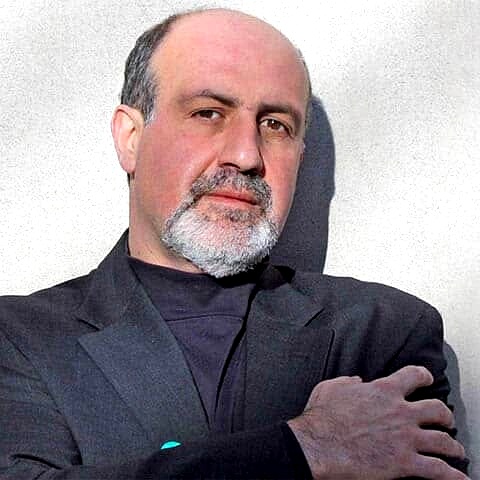
Nassim Nicholas Taleb's Book Recommendations
Nassim Nicholas Taleb is a Lebanese-American author, scholar, and risk analyst, best known for his work on uncertainty, probability, and risk. His books, including The Black Swan and Antifragile, explore how rare and unpredictable events shape the world and how individuals and systems can become more resilient to shocks. Taleb’s insights on risk management have influenced fields ranging from finance to medicine, and he is known for his outspoken criticism of conventional wisdom. His ideas about randomness, decision-making, and the limitations of human knowledge have made him a leading thinker in modern economics and philosophy.
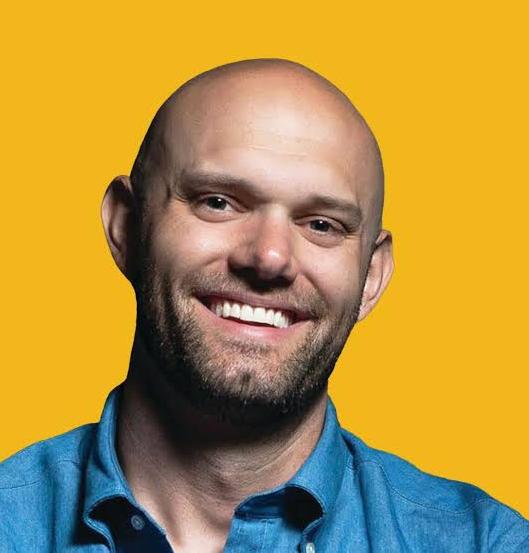
James Clear's Book Recommendations
James Clear is the author of the bestselling book Atomic Habits, which focuses on the power of small habits and incremental improvements to achieve significant personal and professional growth. Clear’s writing blends insights from psychology, neuroscience, and productivity to provide practical strategies for building better habits. His work has helped millions of people create positive changes in their lives by focusing on the process rather than the outcome. James’s clear, actionable advice has made him a sought-after speaker and thought leader in the field of personal development.

Whitney Cummings's Book Recommendations
Whitney Cummings is an accomplished comedian, actress, and writer, best known for her sharp wit and incisive humor. She co-created and co-wrote the hit TV series "2 Broke Girls," which enjoyed a successful six-season run. Cummings has also authored the critically acclaimed book "I'm Fine...And Other Lies," a candid memoir that delves into her personal struggles and triumphs. Her work often explores themes of relationships, self-awareness, and mental health, resonating with a wide audience. Additionally, she has made significant contributions to stand-up comedy, with several popular specials showcasing her unique comedic voice.

Peter Thiel's Book Recommendations
Peter Thiel is a renowned entrepreneur, venture capitalist, and author best known for co-founding PayPal and Palantir Technologies. He played a pivotal role in the early growth of Facebook as its first outside investor. Thiel's literary contributions include his influential book "Zero to One: Notes on Startups, or How to Build the Future," which offers insights into innovation, entrepreneurship, and the future of technology. A prominent figure in Silicon Valley, he has significantly impacted the tech industry's landscape through his investments and thought leadership. Thiel's work continues to inspire entrepreneurs and innovators around the world.
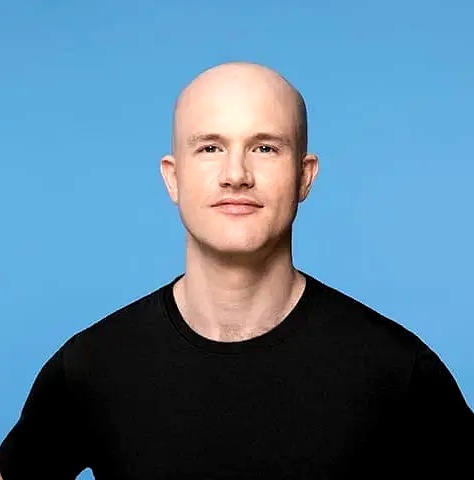
Brian Armstrong's Book Recommendations
Brian Armstrong is a renowned entrepreneur and author best known for co-founding and leading Coinbase, a major cryptocurrency exchange. His literary contributions include insightful writings on the future of digital currencies and blockchain technology. Armstrong's work has been pivotal in demystifying complex financial systems for a broader audience. Beyond his business acumen, his thought leadership in publications and public speaking engagements has cemented his status as a key voice in the fintech revolution. His dedication to innovation continues to influence the trajectory of global financial systems.
Showing 8 of 13 related collections
“"The privilege of a lifetime is to become who you truly are."”
Modern Man in Search of a Soul
By Carl Gustav Jung
Frequently Asked Questions
Explore Our Catalogue
Discover a world of knowledge through our extensive collection of book summaries.
Genres
Genres
Genres
Featured Collections
- Top Book Club Picks
- One-Stop Nutrition
- Summer Reads 2024
- Best Beach Reads 2024
- Work-Life Balance Guide
- Time Management
- Healthy Foods
- Entrepreneur Toolkit
- Mind & Body Wellness
- Future Tech Insights
- Leadership Essentials
- Financial Freedom
- Sci-Fi Masterpieces
- Parenting 101
- Books That Became Blockbusters
- Guide to a Healthy Pregnancy