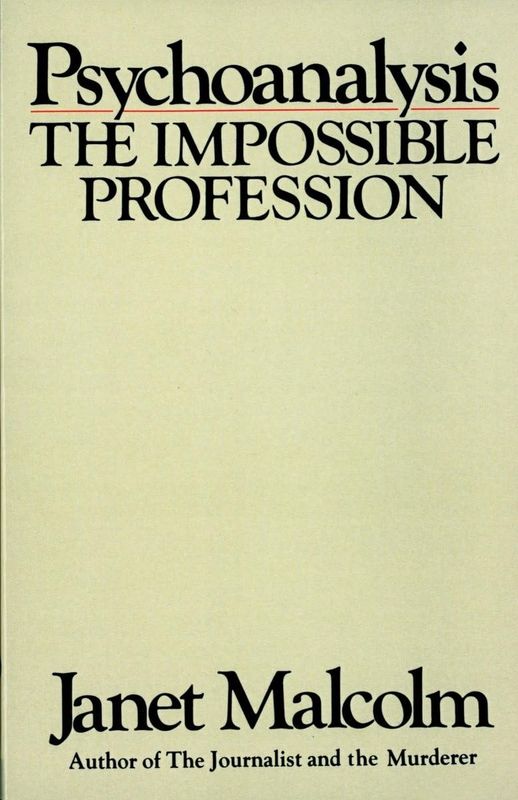

In 'Psychoanalysis,' Janet Malcolm delves into the intricate relationship between the therapist and patient, unveiling the complexities of human thought and emotion. Through a series of vivid case studies and poignant reflections, she challenges the reader to question the nature of truth within the therapeutic setting. Malcolm's sharp observations and rich prose intertwine the personal with the analytical, making the subject matter both accessible and profoundly impactful. This provocative exploration not only sheds light on the field of psychoanalysis but also invites us to reflect on our own inner workings. Are we truly the architects of our own minds, or are we mere puppets in the hands of our subconscious?
By Janet Malcolm
Published: 1982
""To know the mind is to understand the hidden dialogues between self and society, where silence speaks louder than words.""
From the author of In the Freud Archives and The Journalist and the Murderer comes an intensive look at the practice of psychoanalysis through interviews with “Aaron Green,” a Freudian analyst in New York City. Malcolm is accessible and lucid in describing the history of psychoanalysis and its development in the United States. It provides rare insight into the contradictory world of psychoanalytic training and treatment and a foundation for our understanding of psychiatry and mental health. "Janet Malcom has managed somehow to peer into the reticent, reclusive world of psychoanalysis and to report to us, with remarkable fidelity, what she has seen. When I began reading I thought condescendingly, 'She will get the facts right, and everything else wrong.' She does get the facts right, but far more pressive, she has been able to capture and convey the claustral atmosphere of the profession. Her book is journalism become art." —Joseph Andelson, The New York Times Book Review
Showing 8 of 29 similar books
Darya Rose is a celebrated author and neuroscientist known for her influential work in the field of nutrition and healthy living. She gained widespread acclaim for her book *Foodist: Using Real Food and Real Science to Lose Weight Without Dieting*, which offers a science-based approach to weight management and healthy eating. Rose holds a Ph.D. in neuroscience from the University of California, San Francisco, which lends credibility to her evidence-based recommendations. In addition to her writing, she is the creator of the popular blog Summer Tomato, where she shares insights on food, health, and lifestyle. Rose's work has inspired many to adopt more mindful and sustainable eating habits, making a significant impact on the wellness community.
Joe Rogan is a multifaceted American entertainer known primarily for his work as a comedian, podcast host, and commentator. He gained widespread recognition through his immensely popular podcast, "The Joe Rogan Experience," which has featured in-depth conversations with a diverse array of guests, including scientists, celebrities, and politicians. Though not primarily known for literature, Rogan has contributed to the field with his thought-provoking discussions that often explore philosophical and intellectual ideas. Additionally, he has authored the book "Mastering the Rubber Guard," which delves into Brazilian Jiu-Jitsu techniques, showcasing his expertise in martial arts. Rogan's influence extends beyond traditional media, impacting contemporary discourse through his unique blend of humor, curiosity, and critical thinking.
Anna Kendrick is an acclaimed actress and author, best known for her versatile performances in film and theater. She gained widespread recognition for her role in the "Twilight" series and earned an Academy Award nomination for her performance in "Up in the Air." In 2016, Kendrick expanded her creative repertoire by publishing her memoir, "Scrappy Little Nobody," which offers a candid, humorous look at her life and career. The book became a New York Times bestseller, showcasing her sharp wit and storytelling talent. Kendrick continues to influence both the entertainment and literary worlds with her engaging presence and authentic voice.
Dave Ramsey is a personal finance expert, radio host, and bestselling author known for his book The Total Money Makeover. He advocates for debt-free living and offers practical advice on budgeting, saving, and investing. Ramsey’s popular radio show, The Dave Ramsey Show, has reached millions of listeners, where he provides real-world financial advice and helps individuals achieve financial peace. His Baby Steps method for eliminating debt and building wealth has become a cornerstone of his teachings. Ramsey’s work has made him one of the most well-known financial educators in the U.S.
Malcolm Gladwell is a Canadian journalist, author, and public speaker, best known for his best-selling books The Tipping Point, Outliers, and Blink. Gladwell’s work often explores the hidden patterns behind success, decision-making, and social phenomena, using storytelling to make complex ideas accessible to a wide audience. He has written extensively for The New Yorker and hosts the popular podcast Revisionist History, where he reexamines overlooked or misunderstood events in history. Gladwell is known for his ability to challenge conventional wisdom and provoke new ways of thinking about human behavior and societal trends.
Terry Crews is a multifaceted American actor, artist, and former professional football player, highly recognized for his dynamic presence on screen and in literature. He authored the compelling memoir "Manhood: How to Be a Better Man—or Just Live with One," where he shares his journey of overcoming personal and professional challenges with candor and insight. Crews' work in literature has been praised for its vulnerability and motivational impact, encouraging readers to confront issues like masculinity and self-improvement. In addition to his literary contributions, Crews is celebrated for his roles in popular television series such as "Brooklyn Nine-Nine" and movies like "The Expendables." His advocacy for mental health, anti-domestic violence, and the Me Too movement further solidifies his role as a significant cultural influencer and inspirational figure.
Steven Pinker is a Canadian-American cognitive psychologist, linguist, and author, best known for his work on language, the mind, and human nature. Pinker has written several best-selling books, including The Better Angels of Our Nature and Enlightenment Now, where he argues that human progress is real and measurable, often citing data to show that violence, poverty, and other negative trends have been declining over time. He is also a professor at Harvard University and a frequent public intellectual who speaks on topics related to science, reason, and progress. Pinker’s optimistic view of human development has made him a leading figure in modern intellectual discourse.
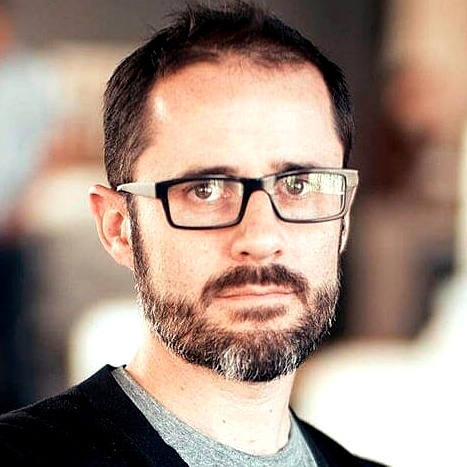
Ev Williams is an American entrepreneur, best known as the co-founder of Twitter and Medium. Williams has a long history in the tech industry, having co-founded Blogger, one of the first blogging platforms, which was later acquired by Google. His work has significantly shaped online communication, giving people platforms to share their thoughts and ideas globally. Williams’ focus on simplicity and user experience has been a hallmark of his career. He continues to lead Medium, a platform that champions quality content and thoughtful discourse.
Showing 8 of 14 related collections
“"To know the mind is to understand the hidden dialogues between self and society, where silence speaks louder than words."”
Psychoanalysis
By Janet Malcolm
Discover a world of knowledge through our extensive collection of book summaries.
Janet Malcolm was an influential American journalist and author, renowned for her incisive prose and profound insights into the human condition. Born on July 8, 1934, in Prague, Czechoslovakia, she immigrated to the United States in 1939. Malcolm's notable works include "The Journalist and the Murderer," which examines the ethical dilemmas of journalism, and "The Silent Woman," exploring the life and legacy of Sylvia Plath. Her writing often combines a keen observational style with psychological depth, engaging readers in complex narratives that challenge their perceptions of truth and storytelling. Malcolm's contributions to literature and journalism have left a lasting impact, making her a revered figure in contemporary writing.
Key information about the book.
 Buy on Amazon
 Buy via BookShop
Support local bookstores: BookShop gives a portion of each sale to independent bookshops!
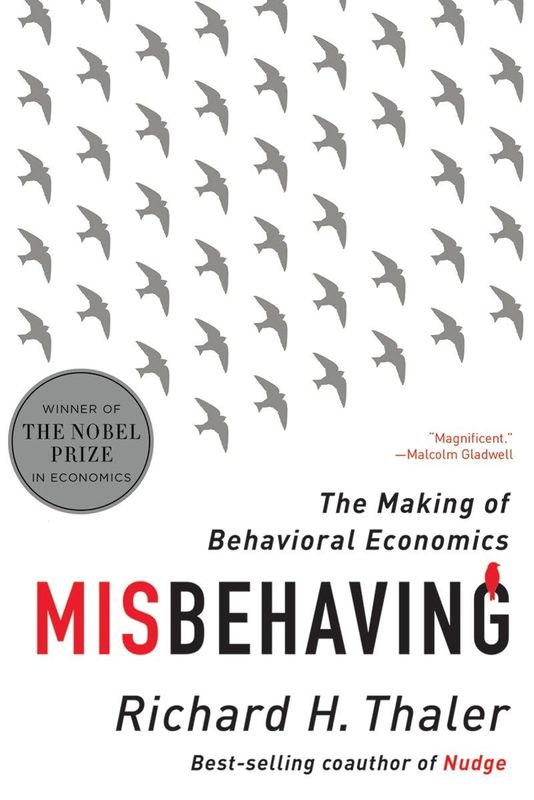
In "Misbehaving: The Making of Behavioral Economics," Nobel laureate Richard Thaler takes readers on a riveting journey through the evolution of behavioral economics, a field that challenges traditional economic theories. Thaler candidly shares his experiences and groundbreaking experiments that reveal how human behavior often defies rational expectations, leading to surprising choices in everyday life. With a blend of humor and keen insight, he highlights the quirks and biases that influence decision-making, reshaping our understanding of markets and policies. This enlightening narrative not only unveils the complexities of human behavior but also emphasizes the importance of incorporating psychology into economic thinking. Dive into a world where misbehavior leads to profound revelations about the way we live, work, and decide!
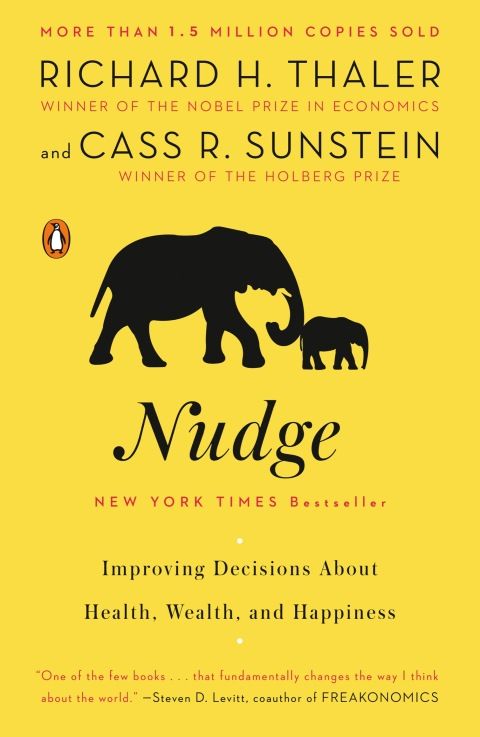
In "Nudge," behavioral economists Richard Thaler and Cass Sunstein unveil the subtle art of influencing choices and shaping outcomes without restricting freedom. They explore how small, seemingly insignificant changes in the way options are presented can lead to drastically improved decisions in health, finance, and overall happiness. With compelling real-world examples and engaging insights, the authors demonstrate how understanding human psychology can empower individuals and policymakers alike. Dive into a world where choice architecture transforms lives and reshapes society's approach to welfare. Discover the hidden nudges that could change everything about the way we choose!
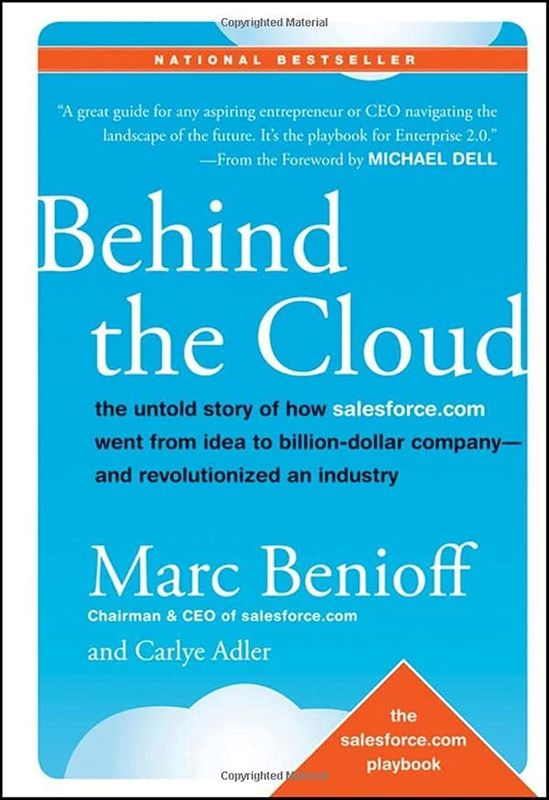
In 'Behind the Cloud', Marc Benioff shares the riveting story of Salesforce.com, a company that revolutionized the way businesses think about software and customer relationships. Through personal anecdotes and industry insights, Benioff reveals the daring choices and bold visions that transformed a startup into a multi-billion dollar corporation. He delves into the power of innovation, the importance of culture, and the challenges of rapid growth in the tech world. Packed with lessons from the frontline of the tech revolution, this book offers a glimpse into the future of business and leadership. Curious about how a simple idea can disrupt an entire industry? Dive into the captivating journey of 'Behind the Cloud'!
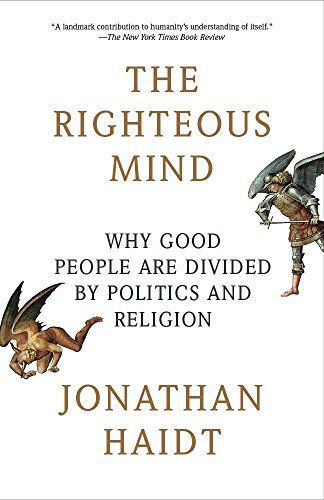
In 'The Righteous Mind', Jonathan Haidt explores the intricacies of human morality and its impact on political divisions. He argues that our sense of right and wrong is shaped more by intuition than by reason, leading to deep-seated clashes between differing moral perspectives. Using insights from psychology, sociology, and anthropology, Haidt delves into the reasons why people hold vastly opposing views despite sharing the same facts. The book encourages readers to understand, rather than vilify, opposing beliefs, making it a compelling read for anyone seeking to navigate the complexities of modern discourse. It challenges us to reconsider our moral frameworks and opens the door to greater empathy in an increasingly polarized world.
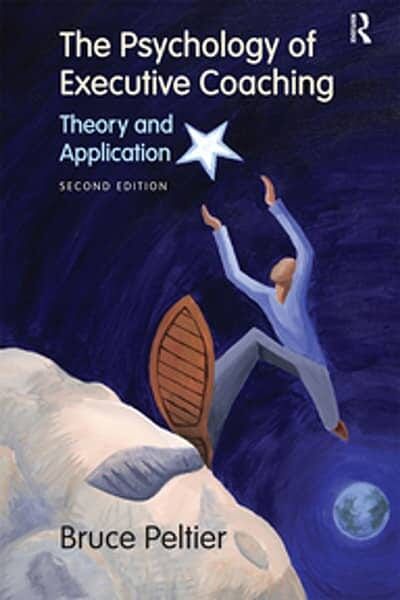
In 'The Psychology of Executive Coaching,' Bruce Peltier explores the intricate dynamics between coaches and leaders, revealing the psychological principles that underpin effective coaching practices. The book delves into the art of transformation, showcasing how understanding human behavior can unlock latent potential in executives. Peltier combines psychological theories with practical strategies to equip coaches with tools to navigate the challenges of leadership development. Through case studies and empirical research, he illustrates the profound impact of coaching on organizational success. This insightful read invites readers to consider how deep psychological insights can elevate executive coaching to new heights, making it a must-read for aspiring coaches and leaders alike.

In 'Can Love Last?', Stephen A. Mitchell explores the evolving nature of romantic love through the lens of both psychology and personal narratives. He delves into the factors that challenge lasting relationships, unraveling the mysteries of passion, intimacy, and attachment. With poignant insights and compelling stories, Mitchell examines whether love can truly endure the test of time. The book invites readers to reflect on their own experiences with love and commitment, making it a thought-provoking journey into the heart of relationships. Will you find the answers to keeping love alive, or is it destined to fade?
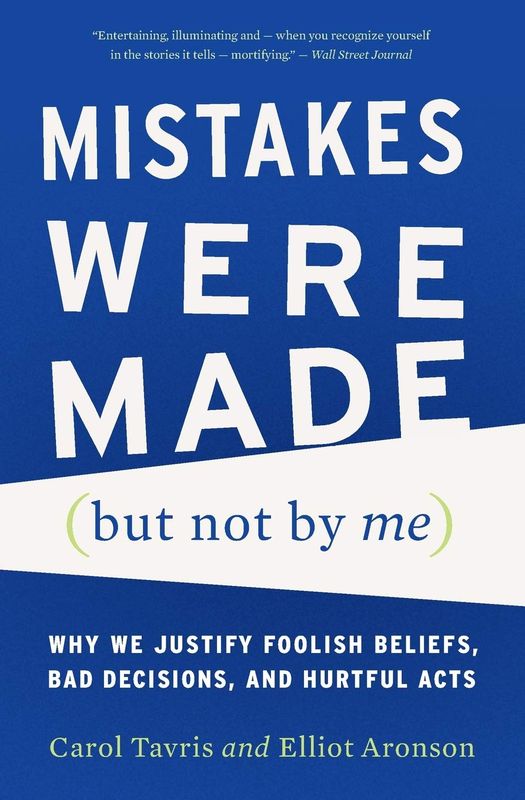
In 'Mistakes Were Made (but Not by Me)', Carol Tavris and Elliot Aronson explore the psychological mechanisms of self-justification and the often-unconscious ways we avoid admitting our wrongs. With compelling examples from history, psychology, and personal anecdotes, the authors reveal why people, from individuals to large organizations, refuse to accept accountability. This thought-provoking book challenges readers to confront their own biases and the cognitive dissonance that influences decision-making. Will you choose to embrace the discomfort of acknowledging your mistakes? Dive into this enlightening read and discover the profound impact of accountability on personal growth and relationships.
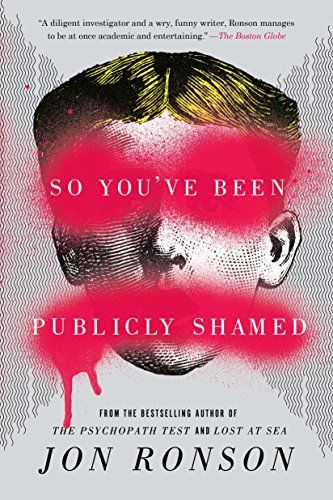
In 'So You've Been Publicly Shamed,' Jon Ronson explores the unsettling phenomenon of public shaming in the age of social media. Through compelling stories of individuals who have experienced viral outrage, he sheds light on the mob mentality that can arise online. Ronson delves into the personal impacts of these shaming events, revealing how they can lead to profound consequences for those involved. As he examines the morality and psychology behind this modern form of punishment, readers are prompted to question the boundaries of accountability and justice. Can society find a way to hold individuals accountable without resorting to humiliation?







Download our mobile app to enjoy your favorite books on the go. Get access to exclusive features, offline listening, and personalized recommendations.