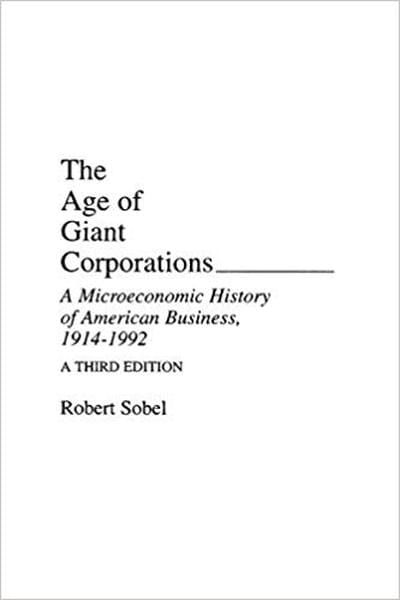
The Age of Giant Corporations Book Summary
By Robert Sobel
Published: 1993

Start Listening to Book Summary
Book Review of The Age of Giant Corporations
A popular text and valuable resource since the first edition was published in 1972, Robert Sobel's The Age of Giant Corporations is now available in a third edition, bringing the history up to the present. This book describes the industries and corporations that have played major roles in the nation's economic growth since the outbreak of World War I. It concentrates on management, technology, marketing and finance, and is concerned with the interrelations and intertwining of political and industrial power. The current edition includes a new chapter covering the impact of junk bonds and corporate governance in the 1980s and early 1990s, an age of restructuring and re-creation in giant corporations. Taking a chronological approach, the volume opens with a chapter on American business during World War I. The author then covers the 1920s in two chapters, one on the glamour industries of the era and one discussing power, consolidation, and mass distribution. Turning to the Depression era in Chapters 4, 5, and 6, he then considers the failure of finance capitalism, business during the New Deal, and growth elements during the Depression. Chapter 7 considers government-business relations in World War II, and Chapter 8 discussed monopsony and conglomerates in postwar America. Turning to the 1960s and 1970s, the next two chapters are devoted to big business and then to decline, revival, and renewal. The final chapter covers the era of the junk bond and its aftermath. The Age of Giant Corporations will continue to be a valuable book for students and scholars of U.S. economic history.
Book Overview of The Age of Giant Corporations
About the Book Author
Robert Sobel
Robert Sobel was an American author and historian known for his insightful exploration of American business and economic history. He is the author of several notable works, including 'The Business of America: The Economic Origins of Our Politics' and 'For Want of a Nail: If Burgoyne Had Won at Saratoga.' Sobel's writing is characterized by its meticulous research and engaging narrative style, often weaving complex historical events into accessible and compelling stories. His ability to connect historical events with contemporary issues has made his work relevant and influential in both academic and popular circles.
Book Details
Key information about the book.
- Authors
- Robert Sobel
- Published
- March 1993
- Publisher
- Praeger
- ISBN
- N/A
- Language
- English
- Pages
- 344
- Genres
- Corporate StrategyBusiness and Economics
Purchase Options
 Buy on Amazon
 Buy via BookShop
Support local bookstores: BookShop gives a portion of each sale to independent bookshops!
Similar books you might like →
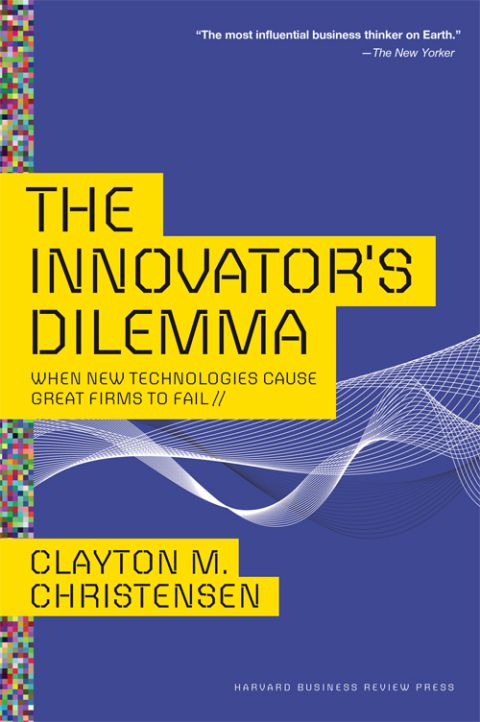
The Innovator's Dilemma Book Summary
In "The Innovator's Dilemma," Clayton Christensen unveils the paradox that drives successful companies to failure: their own success. He reveals how disruptive innovations, initially dismissed as inferior, can upend industry giants if they fail to adapt. With compelling case studies, Christensen illustrates why even the most formidable businesses can be blind to emerging threats. This thought-provoking exploration challenges leaders to rethink their strategies and embrace radical change. Are you ready to discover the hidden forces that could make or break your industry?
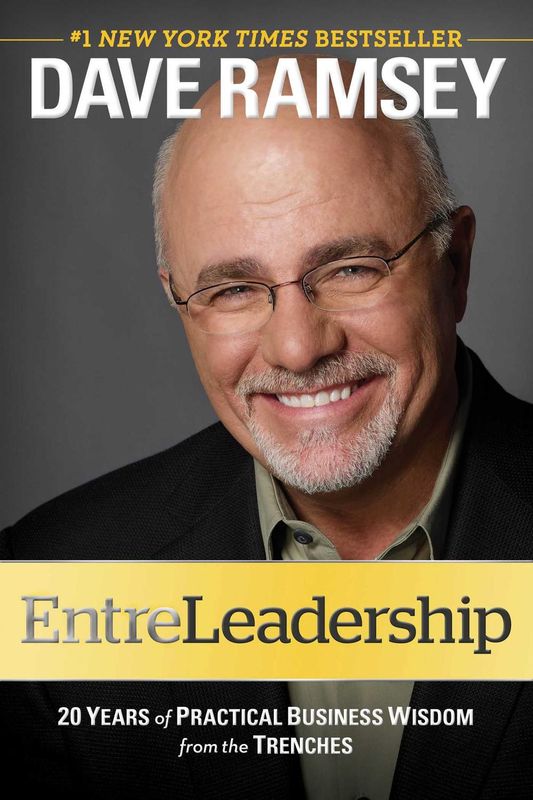
EntreLeadership Book Summary
In "EntreLeadership," Dave Ramsey merges the worlds of entrepreneurship and leadership, revealing how to ignite a thriving business culture fueled by passion and purpose. With practical insights and real-world examples, he navigates the reader through the critical intersection of vision and execution. From building strong teams to mastering financial stewardship, Ramsey outlines a roadmap to combat challenges and harness opportunities. Each chapter pulses with motivation, urging leaders to embrace their role as catalysts for change. Unlock the secrets to leading with integrity and effectiveness, and transform your business into a legacy that lasts!
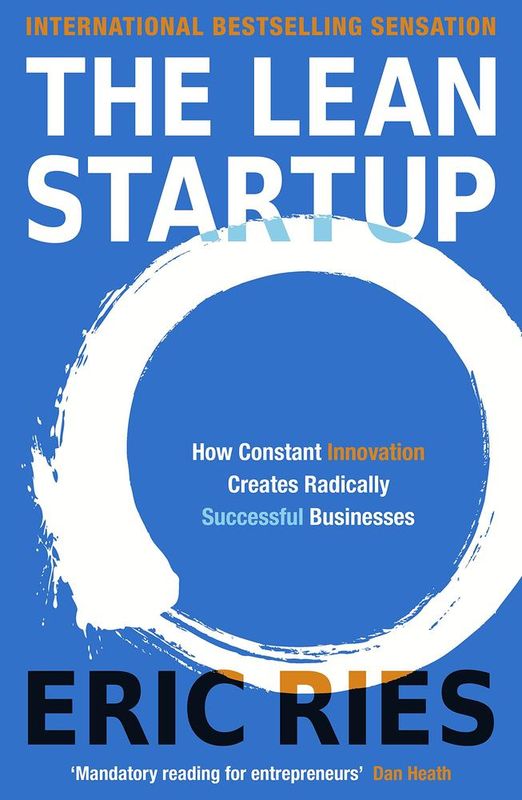
The Lean Startup Book Summary
In "The Lean Startup," Eric Ries revolutionizes the approach to building new businesses with a framework designed to reduce waste and maximize innovation. He introduces the concept of validated learning, urging entrepreneurs to test hypotheses through rapid experimentation rather than relying solely on traditional business plans. By emphasizing the importance of pivoting—adapting strategies based on real customer feedback—he provides a pragmatic toolkit for startups to navigate uncertainty. Ries challenges the conventional wisdom of startup success, making a compelling case for agility in a fast-paced market. Dive into this transformative guide and discover how to turn dreams into viable businesses with minimal risk!
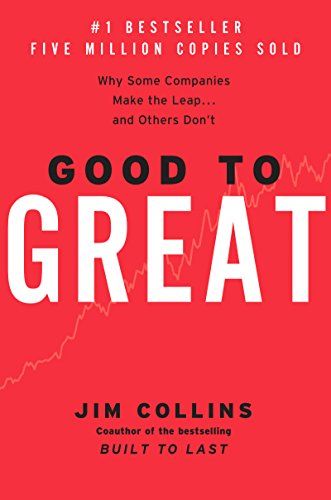
Good to Great Book Summary
In 'Good to Great', Jim Collins explores what it takes for companies to surpass mediocrity and achieve enduring greatness. Through rigorous research, he identifies key principles that distinguish successful businesses from their less successful counterparts. The book introduces the concept of the "Hedgehog Concept" — a simple, yet profound idea that lies at the heart of each great organization's success. Readers will be fascinated by the surprising findings on leadership, discipline, and cultural alignment that drive greatness. This insightful guide challenges conventional wisdom and offers transformative lessons that can be applied to any endeavor.
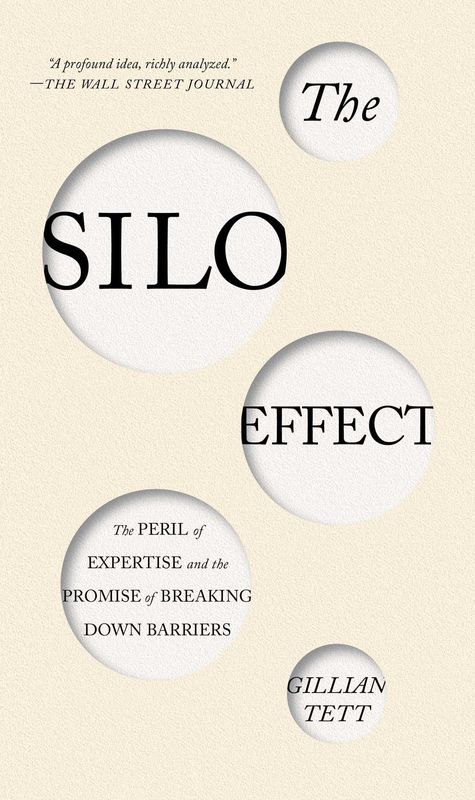
The Silo Effect Book Summary
In "The Silo Effect," Gillian Tett unveils the hidden barriers that fragment organizations and stifle innovation. Through compelling anecdotes from diverse sectors, she illustrates how these "silos" hinder collaboration and creativity. Tett argues that breaking down these divisions can lead to unexpected breakthroughs and a more interconnected world. With her keen insights into human behavior and organizational dynamics, she challenges readers to rethink how we work together. Are you ready to dismantle the silos in your life and unlock new possibilities?
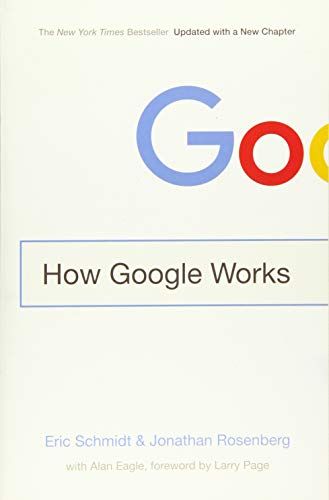
How Google Works Book Summary
In "How Google Works", Eric Schmidt and Jonathan Rosenberg unveil the inner workings of one of the world's most innovative companies. Delving into the intersection of technology, business strategy, and culture, they explore how flexibility and creativity fuel Google's success. The authors share insider anecdotes and pivotal lessons about fostering collaboration and embracing change in a fast-paced digital landscape. You’ll discover the vital role data plays in decision-making and how to cultivate a "smart creatives" mindset. Prepare to be inspired by the blueprint of a company that has revolutionized not just the tech industry, but the very way we navigate information itself.
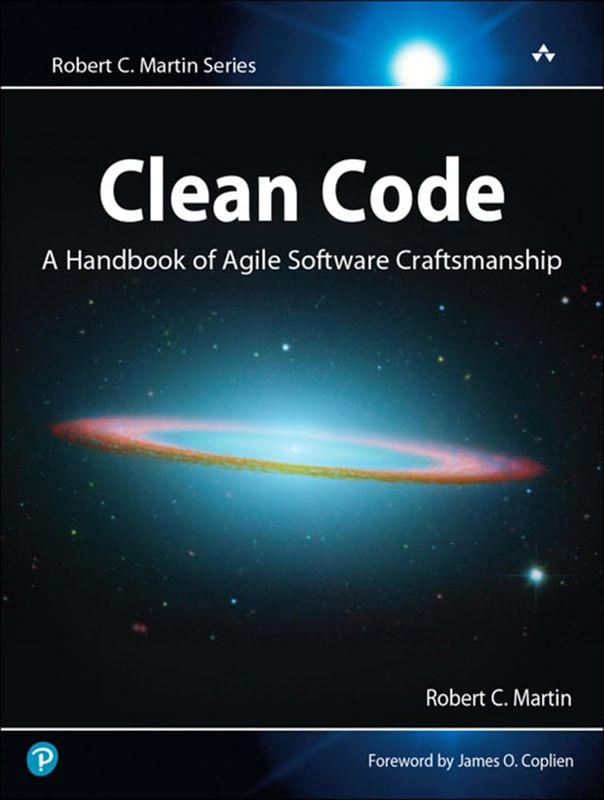
Clean Code Book Summary
Clean Code: A Handbook of Agile Software Craftsmanship by Robert C. Martin is a masterclass in writing quality code that stands the test of time. Through a series of practical examples and principles, Martin reveals the art of developing clean, readable, and maintainable code, while emphasizing the moral responsibility of programmers. He challenges readers to confront their coding habits and provides actionable insights to elevate their skills. With an exploration of key concepts like refactoring, testing, and the importance of simplicity, this book becomes an essential guide for anyone who writes software. Dive in and discover how clean code not only enhances productivity but also fosters a culture of excellence in software development!
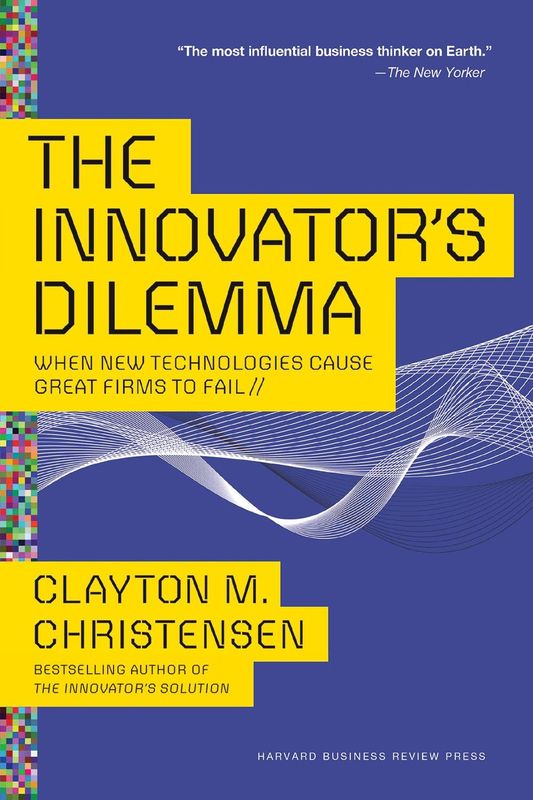
The Innovator's Dilemma: When New Technologies Cause Great Firms to Fail Book Summary
In 'The Innovator's Dilemma', Clayton M. Christensen unveils the paradox of why successful companies often fail when faced with disruptive technologies. He explores how these firms, despite their best efforts, overlook emerging trends that could ultimately upend their dominance. With compelling case studies, Christensen illustrates the dangers of focusing too much on current customers and maintaining the status quo. The book challenges leaders to rethink their strategies and embrace innovation, revealing the critical importance of adaptability in a rapidly changing marketplace. Will these insights change the way you perceive success in business?
Showing 8 of 29 similar books
Take your reading experience to the next level
Download our mobile app to enjoy your favorite books on the go. Get access to exclusive features, offline listening, and personalized recommendations.

Similar Book Recommendations →

Chris Dixon's Book Recommendations
Chris Dixon is a notable venture capitalist and technology entrepreneur, best known for his influential role as a general partner at Andreessen Horowitz, where he leads investments in cryptocurrency and blockchain technology. Before joining the firm, Dixon co-founded two startups: SiteAdvisor, a web security company acquired by McAfee, and Hunch, a recommendation engine acquired by eBay. In addition to his investment career, Dixon is a prolific writer and thought leader on technology and innovation, contributing insightful essays and articles to various platforms such as his personal blog and Medium. His writings often explore the future of technology, the internet, and the impact of blockchain, making significant contributions to contemporary tech literature. Dixon's work has earned him recognition as a visionary in both the tech and literary worlds.

Charlie Munger's Book Recommendations
Charlie Munger is an American investor, businessman, and philanthropist, best known as the vice chairman of Berkshire Hathaway, where he partners with Warren Buffett. Renowned for his insights on investment strategies and mental models, Munger has significantly influenced the world of finance. His notable literary contributions include "Poor Charlie's Almanack," a compilation of his speeches and writings that distill his wisdom on decision-making and business principles. Munger's work emphasizes the importance of multidisciplinary thinking and continuous learning. Beyond his financial acumen, he is celebrated for his charitable efforts, particularly in education and healthcare.

Ray Dalio's Book Recommendations
Ray Dalio is the founder of Bridgewater Associates, one of the largest and most successful hedge funds in the world. He is also the author of the bestselling book Principles, where he outlines his philosophy on life, leadership, and investing. Ray is renowned for his unique approach to transparency, radical truth, and thoughtful disagreement within organizations. His insights into economics and investing have made him one of the most influential figures in the financial world. Dalio continues to be a thought leader in business, economics, and philanthropy.

Aaron Levie's Book Recommendations
Aaron Levie is the co-founder and CEO of Box, a cloud content management platform that revolutionized how businesses manage and collaborate on content. He launched Box in 2005 while still a college student, and the company rapidly grew into a leader in the cloud storage industry. Levie is known for his innovative, forward-thinking approach to enterprise software and for pushing the boundaries of digital transformation. Under his leadership, Box went public in 2015 and continues to evolve with new technologies and partnerships. He is a strong advocate for cloud-first business strategies and frequently shares his insights on the future of work and the digital workplace. Levie is also a prolific speaker and writer, often discussing technology's role in the modern economy. His energetic and witty personality has made him a popular figure in Silicon Valley and beyond.

Andrew Chen's Book Recommendations
Andrew Chen is a venture capitalist, entrepreneur, and thought leader in growth marketing, currently serving as a general partner at Andreessen Horowitz. Chen is known for his expertise in network effects, viral growth strategies, and marketplace dynamics, making him a sought-after advisor for startups looking to scale. Prior to joining Andreessen Horowitz, he worked in leadership roles at Uber, helping to grow the ride-sharing platform’s user base and develop key growth strategies. Chen is also a prolific writer, sharing his insights on growth, technology, and startups through his popular blog and newsletter, which has attracted a loyal following in the tech community. His work has helped shape how many startups approach user acquisition, retention, and product-market fit. As a venture capitalist, Chen focuses on early-stage companies in the consumer internet, SaaS, and marketplace sectors, and he has been involved in funding and advising several successful startups. His insights on technology and growth continue to influence both founders and investors alike.

Alfred Lin's Book Recommendations
Alfred Lin is a venture capitalist and partner at Sequoia Capital, where he focuses on investments in consumer internet, enterprise, and mobile companies. Lin is known for his early investments in companies like Airbnb and DoorDash, helping them grow into major global brands. Before joining Sequoia, Lin was an executive at Zappos, where he worked closely with CEO Tony Hsieh to develop the company’s innovative culture and customer service model. Lin’s expertise in scaling businesses and his strategic vision have made him one of the most respected venture capitalists in Silicon Valley.

Brian Tracy's Book Recommendations
Brian Tracy is a renowned Canadian-American motivational speaker, self-development author, and business consultant. He has written over 70 books, including bestsellers like "Eat That Frog!" and "The Psychology of Achievement," which have been translated into dozens of languages. Tracy's work primarily focuses on personal success, leadership, time management, and sales strategies. He has also delivered over 5,000 speeches and seminars around the world, inspiring millions to improve their lives and careers. His practical advice and actionable insights have cemented his reputation as a leading authority in personal and professional development.

Arianna Huffington's Book Recommendations
Arianna Huffington is the founder of The Huffington Post and Thrive Global, a company focused on wellness and productivity. She is a bestselling author and prominent speaker on the importance of sleep and managing stress. Arianna’s work emphasizes the importance of balance between professional success and personal well-being. Her book The Sleep Revolution has inspired a global movement to prioritize rest. She is considered one of the most influential women in media and business.
Showing 8 of 9 related collections
Frequently Asked Questions
Explore Our Catalogue
Discover a world of knowledge through our extensive collection of book summaries.
Genres
Genres
Genres
Featured Collections
- Top Book Club Picks
- One-Stop Nutrition
- Summer Reads 2024
- Best Beach Reads 2024
- Work-Life Balance Guide
- Time Management
- Healthy Foods
- Entrepreneur Toolkit
- Mind & Body Wellness
- Future Tech Insights
- Leadership Essentials
- Financial Freedom
- Sci-Fi Masterpieces
- Parenting 101
- Books That Became Blockbusters
- Guide to a Healthy Pregnancy