The Anatomy of Disgust Book Summary
In 'The Anatomy of Disgust,' William Ian Miller delves into the complex emotions surrounding disgust, exploring its roots in both human biology and culture. Through fascinating historical examples and psychological insights, he reveals how disgust shapes our moral judgments and interpersonal relationships. The book challenges readers to confront what repulses them and why, turning an often-ignored emotion into a compelling area of study. With wit and depth, Miller invites us to reconsider the significance of disgust in our lives and society. Can understanding this powerful feeling transform our perspectives on humanity?
By William Ian Miller
Published: 1997
""Disgust is more than just a feeling; it is a complex interplay of our moral sensibilities, cultural contexts, and the primal instincts that shape our very humanity.""
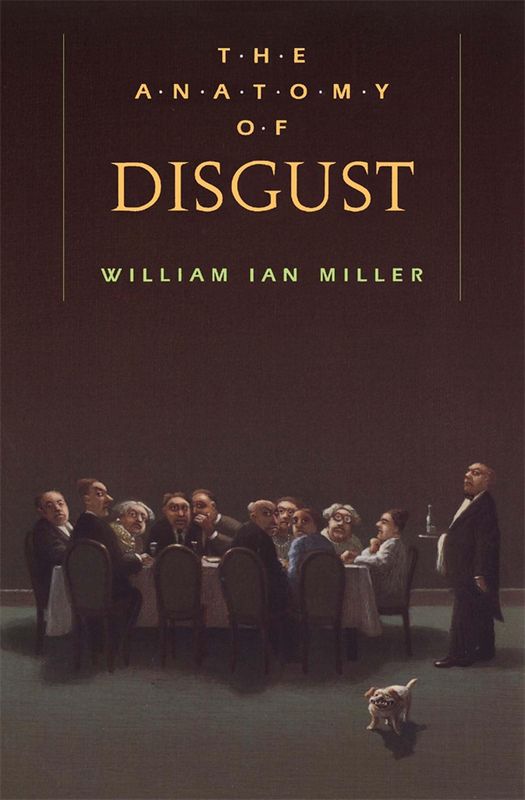

Start Listening to Book Summary
Book Review of The Anatomy of Disgust
Our notion of the self depends on it; cultural identities have frequent recourse to its boundary-policing powers; and love depends on overcoming it. Miller traverses literature, philosophy, history, political theory, and psychology to show how disgust animates our world.
Book Overview of The Anatomy of Disgust
About the Book Author
William Ian Miller
William Ian Miller is an esteemed author and legal scholar, renowned for his incisive exploration of ancient law and ethics. He is best known for his notable works including 'Eye for an Eye: The Place of Revenge in Promoting Justice', which examines the complexities of revenge in the context of justice, and 'Philosophical Foundations of the Law of Trusts', where he delves into the legal and philosophical underpinnings of trust law. Miller's writing style is characterized by its clarity and depth, blending rigorous scholarship with vivid storytelling, making complex ideas accessible to a wide audience. His contributions to legal thought and literature have positioned him as a prominent figure in contemporary discussions on justice and ethics.
Book Details
Key information about the book.
- Authors
- William Ian Miller
- Published
- January 1997
- Publisher
- Harvard University Press
- ISBN
- 0674031555
- Language
- English
- Pages
- 340
- Genres
- Cognitive PsychologyBehavioral PsychologySocial PsychologyPsychology
Purchase Options
 Buy on Amazon
 Buy via BookShop
Support local bookstores: BookShop gives a portion of each sale to independent bookshops!
Similar books you might like →
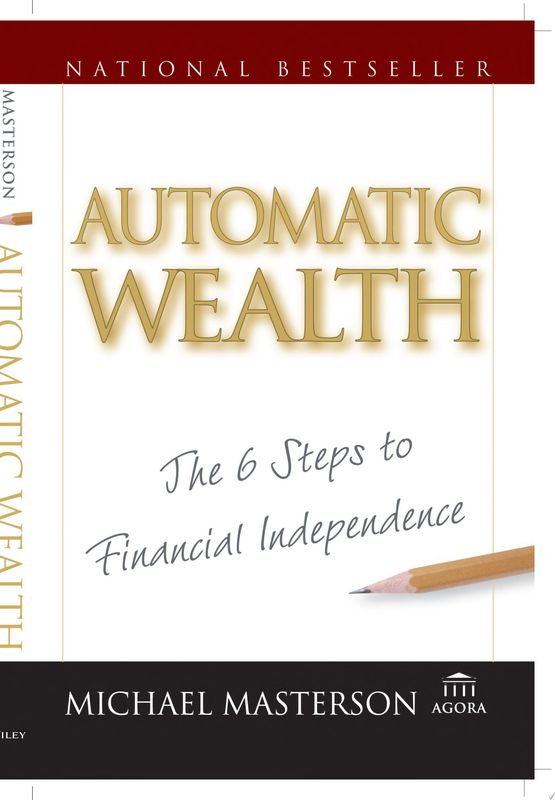
Automatic Wealth Book Summary
In "The Automatic Wealth," author Michael Masterson unveils the secrets to achieving financial independence through smart, strategic investments and income generation. With actionable advice and a no-nonsense approach, he demystifies the path to wealth, emphasizing the importance of mindset and disciplined financial habits. Masterson challenges readers to rethink their approach to money, transforming it from a source of stress into a tool for freedom. Packed with real-life examples and practical steps, this book equips you with the knowledge to build and sustain wealth effortlessly. Are you ready to unlock the doors to your financial future?
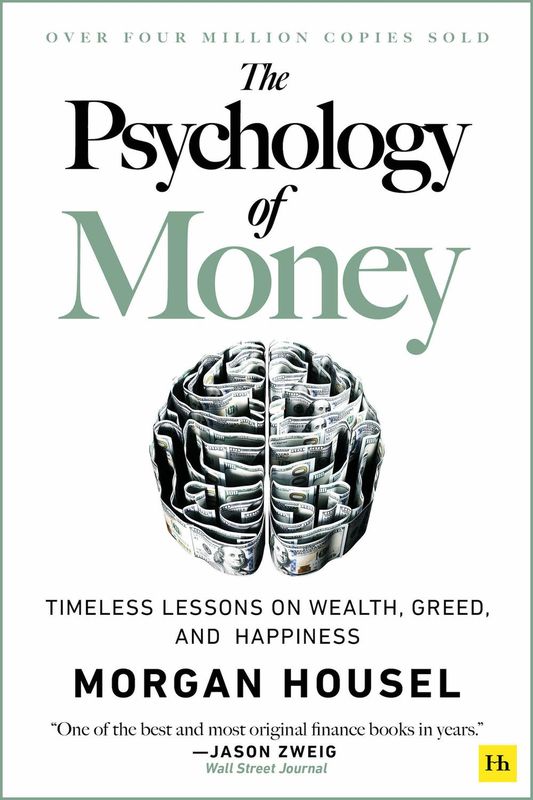
The Psychology of Money Book Summary
In "The Psychology of Money," Morgan Housel unravels the complex relationship between our emotions and financial decisions. Through captivating anecdotes and profound insights, he reveals that wealth isn't just about numbers, but about behavior and mindset. The book challenges conventional wisdom, urging readers to understand the subtle psychological forces that influence our spending and saving habits. Housel's reflections highlight the power of patience, humility, and a long-term perspective in building true financial success. Prepare to rethink everything you thought you knew about money and its role in your life!
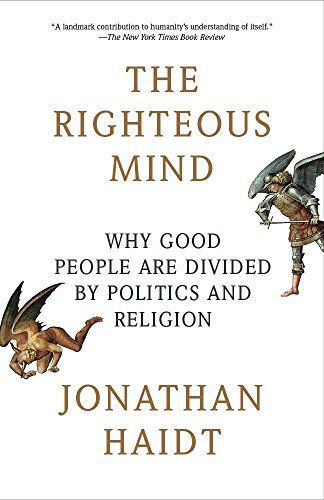
The Righteous Mind Book Summary
In 'The Righteous Mind', Jonathan Haidt explores the intricacies of human morality and its impact on political divisions. He argues that our sense of right and wrong is shaped more by intuition than by reason, leading to deep-seated clashes between differing moral perspectives. Using insights from psychology, sociology, and anthropology, Haidt delves into the reasons why people hold vastly opposing views despite sharing the same facts. The book encourages readers to understand, rather than vilify, opposing beliefs, making it a compelling read for anyone seeking to navigate the complexities of modern discourse. It challenges us to reconsider our moral frameworks and opens the door to greater empathy in an increasingly polarized world.
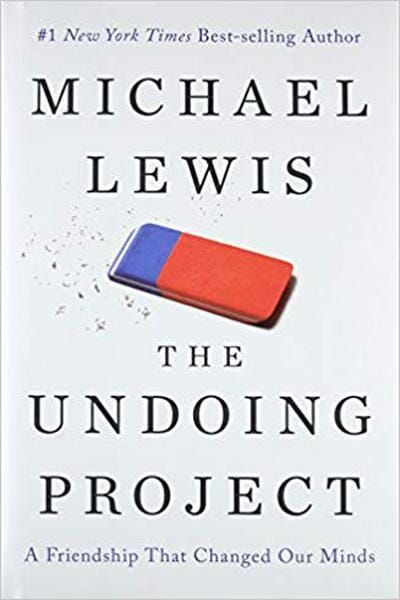
The Undoing Project Book Summary
In 'The Undoing Project', Michael Lewis explores the groundbreaking collaboration between two Israeli psychologists, Daniel Kahneman and Amos Tversky, whose revolutionary theories on decision-making changed our understanding of human rationality. Their research reveals the cognitive biases that influence our choices, often leading us astray in unexpected ways. Through compelling anecdotes and vivid storytelling, Lewis uncovers how their work not only transformed psychology but also impacted economics, medicine, and public policy. As their friendship deepens amid professional triumphs and personal struggles, the book delves into the complexities of the human mind and the power of perspective. Will their insights lead to a newfound awareness of our own thought processes? Discover the fascinating tale behind the science of thinking.
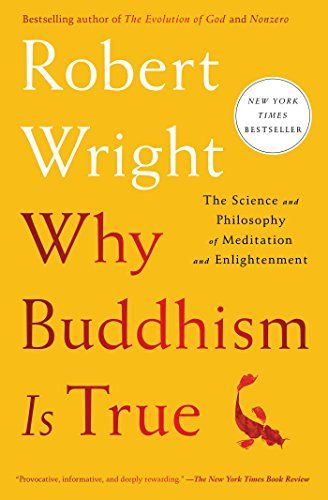
Why Buddhism is True Book Summary
In 'Why Buddhism is True', Robert Wright explores the intersections of modern psychology and ancient Buddhist philosophy, revealing how mindfulness can enhance our understanding of reality. He delves into the science of the mind, explaining why our thoughts often deceive us and how Buddhism offers a remedy. Through engaging anecdotes and thought-provoking insights, Wright demonstrates that the principles of Buddhism can lead to a more fulfilling life. He challenges readers to rethink their beliefs and consider the benefits of a Buddhist approach to pain and suffering. Will you discover the truth that can liberate your mind?
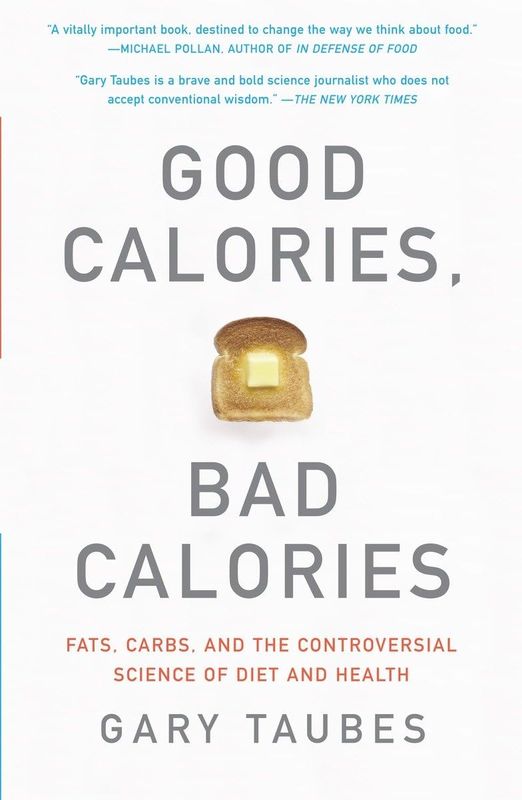
Good Calories, Bad Calories Book Summary
In 'Good Calories, Bad Calories,' Gary Taubes challenges conventional dietary wisdom, asserting that not all calories are created equal. He delves into the history of nutrition science, revealing how misplaced beliefs about fat and carbohydrates have misled society for decades. Through meticulous research, Taubes exposes the flaws in popular diet regimes and argues for a reevaluation of our approach to food. This compelling read raises questions about the true causes of obesity and chronic diseases. Prepare to rethink everything you thought you knew about nutrition!
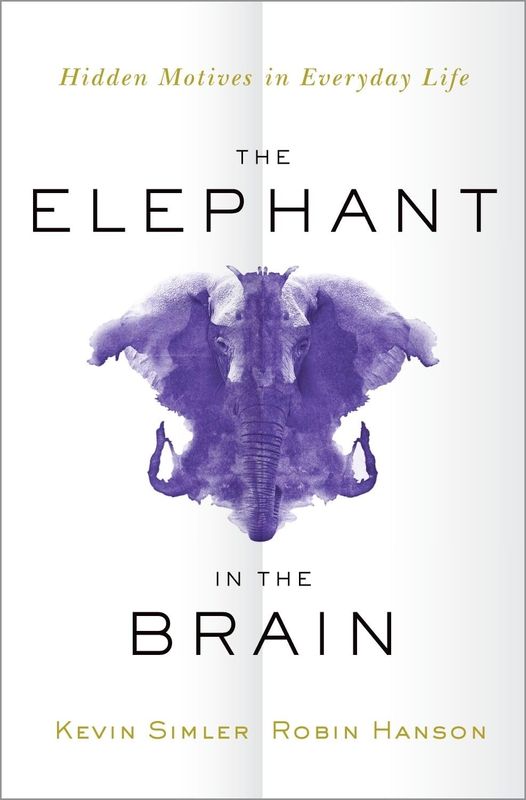
The Elephant in the Brain Book Summary
In 'The Elephant in the Brain', Kevin Simler and Robin Hanson delve into the hidden motives behind our social behaviors, revealing the unspoken truths we often ignore. They argue that much of our actions are driven by self-interest, masked by socially acceptable justifications. The authors challenge readers to confront uncomfortable realities about why we do what we do, igniting a conversation about the darker sides of human nature. With wit and insight, they dissect the complexity of human interactions that often evade our consciousness. This thought-provoking exploration of psychology invites you to rethink your understanding of social dynamics and the motives that lie beneath.
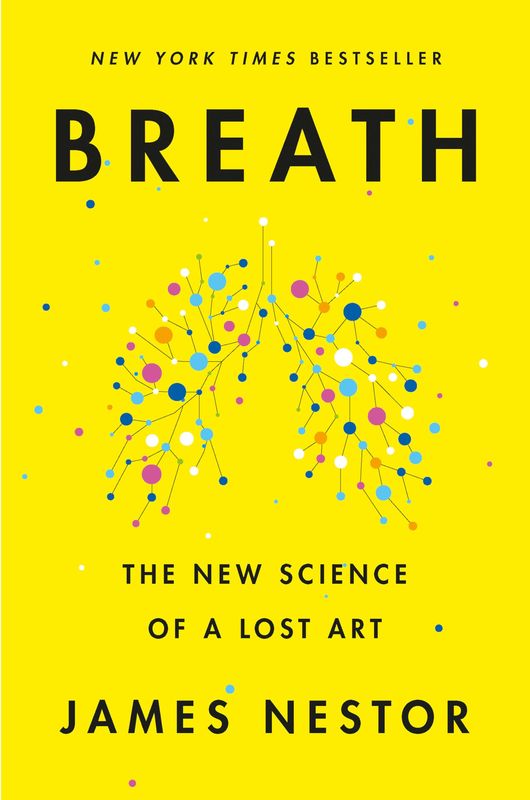
Breath Book Summary
In 'Breath', James Nestor takes readers on a captivating journey into the science and history of breathing, revealing how this vital act impacts our physical and mental health. Through personal experimentation and research, he uncovers the transformative power of proper breathing techniques, which have been forgotten over time. Nestor dives into ancient practices, modern science, and even unique cultures, merging them into an intriguing narrative. Along the way, he challenges common misconceptions and provides practical advice to optimize our breath. Prepare to be amazed by how something so simple can profoundly alter your life.
Showing 8 of 26 similar books
Take your reading experience to the next level
Download our mobile app to enjoy your favorite books on the go. Get access to exclusive features, offline listening, and personalized recommendations.

“"Disgust is more than just a feeling; it is a complex interplay of our moral sensibilities, cultural contexts, and the primal instincts that shape our very humanity."”
The Anatomy of Disgust
By William Ian Miller
Frequently Asked Questions
Explore Our Catalogue
Discover a world of knowledge through our extensive collection of book summaries.
Genres
Genres
Genres
Featured Collections
- Top Book Club Picks
- One-Stop Nutrition
- Summer Reads 2024
- Best Beach Reads 2024
- Work-Life Balance Guide
- Time Management
- Healthy Foods
- Entrepreneur Toolkit
- Mind & Body Wellness
- Future Tech Insights
- Leadership Essentials
- Financial Freedom
- Sci-Fi Masterpieces
- Parenting 101
- Books That Became Blockbusters
- Guide to a Healthy Pregnancy