The Hundred Rules of War Book Summary
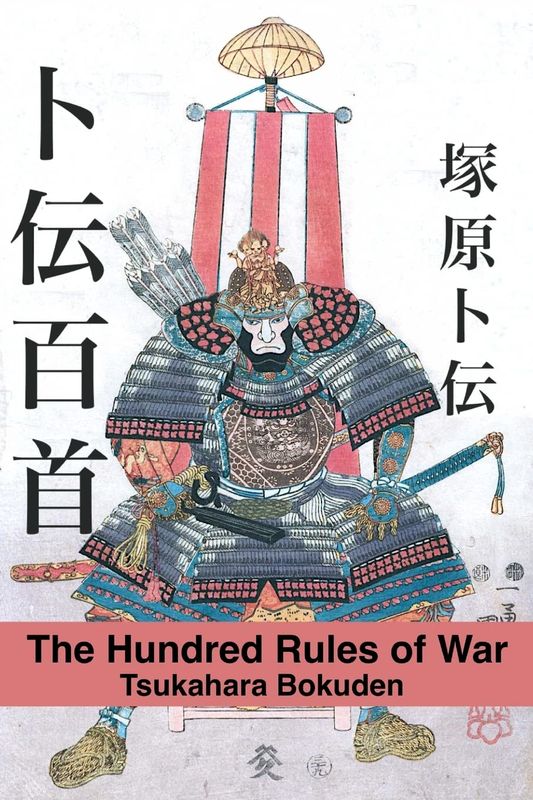
In 'The Hundred Rules of War,' Tsukahara Bokuden, a master swordsman and strategist, unveils the timeless principles that govern warfare and conflict resolution. Each rule is imbued with vivid anecdotes and moral lessons, reflecting a deep understanding of human nature and the chaos of battle. From the importance of patience and foresight to the dangers of arrogance and complacency, these rules transcend time and culture, offering insight for both warriors and peacemakers. As readers delve into these guidelines, they uncover not only strategies for victory but also profound truths about life, leadership, and honor. Will you dare to apply these ancient principles to overcome modern challenges and emerge victorious?
By Tsukahara Bokuden
Published: 2017
"In the chaos of battle, clarity is not the absence of fear, but the mastery of it; for every victory begins with the courage to confront what we cannot control."

Start Listening to Book Summary
Book Review of The Hundred Rules of War
Includes photocopies of the handwritten calligraphic copy of The Hundred Rules of War by Tsukahara Bokuden, with transcription and analysis in Japanese by Hori Shohei, and English translation and notes by Eric Shahan.
Book Overview of The Hundred Rules of War
About the Book Author
Tsukahara Bokuden
Tsukahara Bokuden was a Japanese swordsman and author during the late 16th century, renowned for his expertise in Kendo and the martial arts. He is best known for his influential work on swordsmanship and martial philosophy, particularly the book 'Bokuden's Sword Techniques.' His writing reflects a blend of practical martial instruction and philosophical insights, emphasizing the importance of discipline, respect, and the mental aspects of combat. Bokuden's legacy continues to inspire martial artists and readers interested in the fusion of physical prowess and spiritual development in Japanese culture.
Book Details
Key information about the book.
- Authors
- Tsukahara Bokuden
- Published
- July 2017
- Publisher
- Createspace Independent Publishing Platform
- ISBN
- 1548035661
- Language
- English
- Pages
- 206
- Genres
- HistoryMilitary HistoryLeadership TheoriesPolitics and Current Affairs
Purchase Options
 Buy on Amazon
 Buy via BookShop
Support local bookstores: BookShop gives a portion of each sale to independent bookshops!
Similar books you might like →
The Four Book Summary
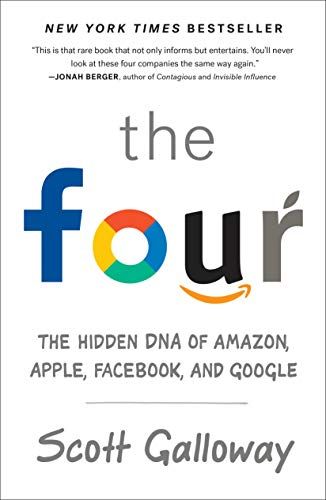
In "The Four," Scott Galloway unravels the remarkable influence of Amazon, Apple, Facebook, and Google—four titans that have reshaped the modern world. He explores their shared traits, revealing the hidden DNA that drives their monumental success while exposing vulnerabilities beneath their glossy exteriors. Galloway's sharp analysis challenges readers to reconsider the implications of these companies on society and individual lives. With wit and candor, he predicts their potential trajectories and the consequences of their dominance. Dive into this eye-opening exploration and discover how these giants have altered the game of business and culture as we know it.
Don't Shoot the Dog Book Summary
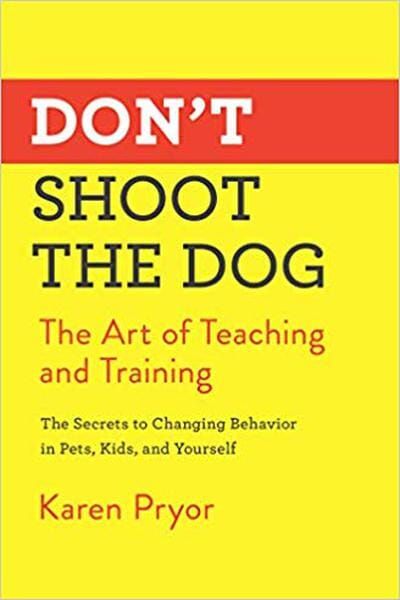
In 'Don't Shoot the Dog,' Karen Pryor unveils the captivating principles of animal training that can be applied to everyday human interactions. With humor and insight, she demonstrates how positive reinforcement can transform behavior without resorting to punishment. This book prompts readers to reconsider their approaches to communication, learning, and motivation. Pryor's engaging anecdotes make complex psychological concepts accessible and relatable. Whether you're a pet owner or simply interested in human behavior, this book offers profound lessons that challenge conventional wisdom.
The History of the Decline & Fall of the Roman Empire Book Summary
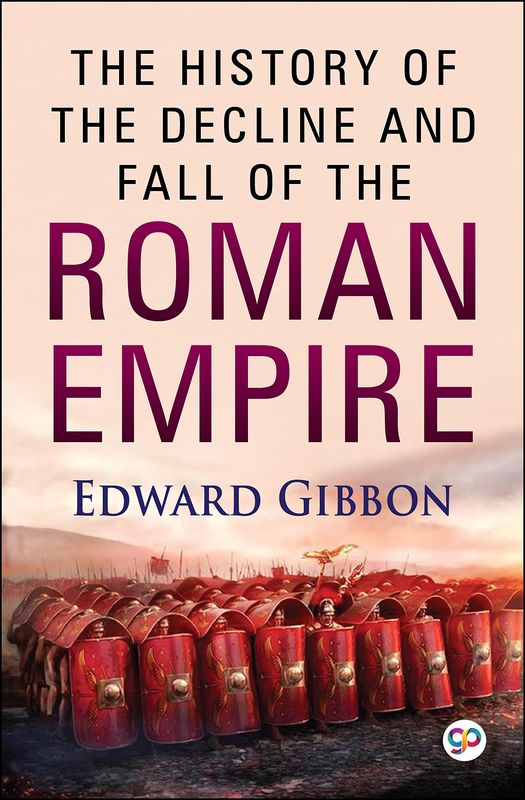
In 'The History of the Decline & Fall of the Roman Empire,' Edward Gibbon meticulously chronicles the mighty empire's descent into chaos and obscurity. With eloquent prose, Gibbon unveils the interplay of political intrigue, moral decay, and military defeats that eroded Rome's power. His analysis does not merely recount events but delves into the philosophical implications of decline and the lessons for future societies. As empires rise and fall, engage with the timeless questions Gibbon poses about civilization itself. Dive into this monumental work to understand how history shapes our present and future.
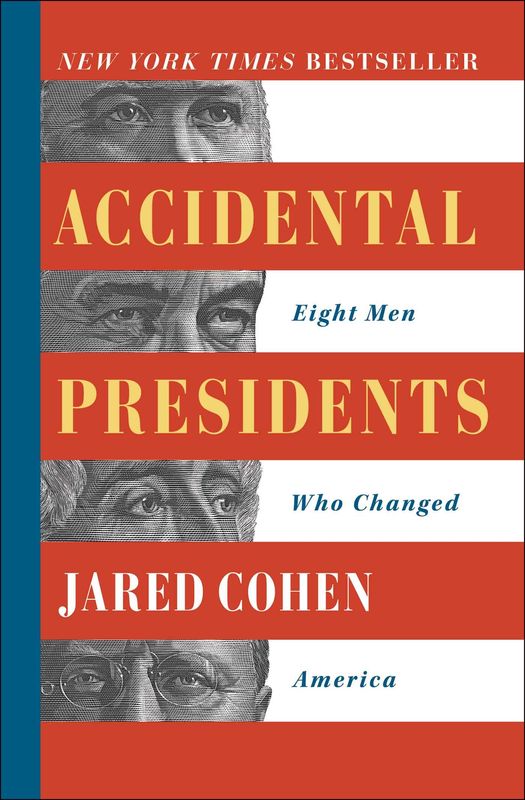
Accidental Presidents Book Summary
In 'Accidental Presidents', Jared Cohen explores the unexpected rise of U.S. leaders who ascended to the presidency by chance rather than through traditional paths. From political mishaps to sudden deaths, these leaders had to navigate unique challenges that transformed their presidencies and the nation. Cohen delves into their distinct personalities and pivotal moments, revealing how fortune and fate can shape history. This compelling narrative raises questions about leadership, legacy, and the unpredictability of political power. Discover how chance encounters led to monumental changes and what this means for the future of American leadership.
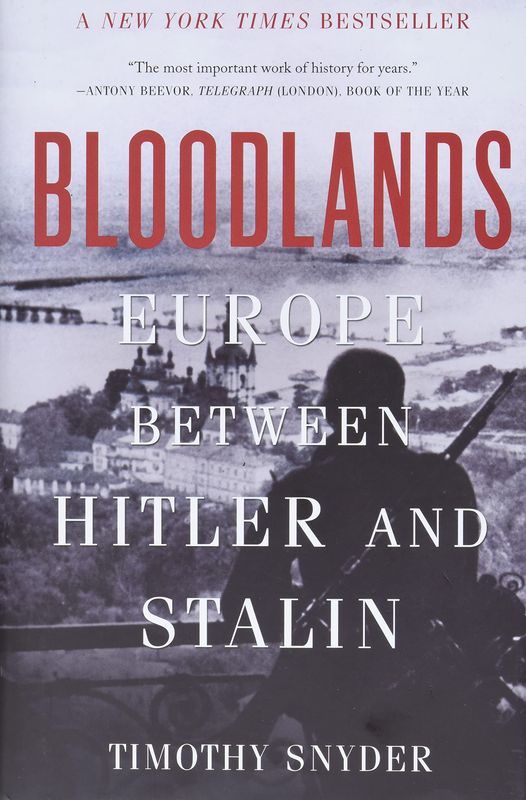
Bloodlands Book Summary
In 'Bloodlands', Timothy Snyder unveils the haunting history of the regions between Nazi Germany and Soviet Russia during World War II. The book meticulously explores the horrific atrocities committed by both regimes, resulting in the deaths of millions. Snyder's vivid narrative intertwines personal stories with broader historical contexts, painting a poignant picture of suffering and survival. As readers delve into this dark past, they are challenged to reflect on the consequences of totalitarianism and the fragility of human life. This compelling work not only educates but also provokes an urgent conversation about memory, history, and the moral responsibilities of the present.
A History of Economic Theory Book Summary
In 'A History of Economic Theory', Jürg Niehans takes readers on a captivating journey through the evolution of economic thought. From ancient philosophies to contemporary paradigms, the book unravels how ideas have shaped economic practices across cultures and eras. With each chapter, Niehans reveals the intellectual battles and breakthroughs that have defined the discipline. Rich in historical context, this work challenges readers to consider the relevance of past theories in today's economy. Dive into this scholarly adventure and discover how the past continually influences our understanding of wealth and value.
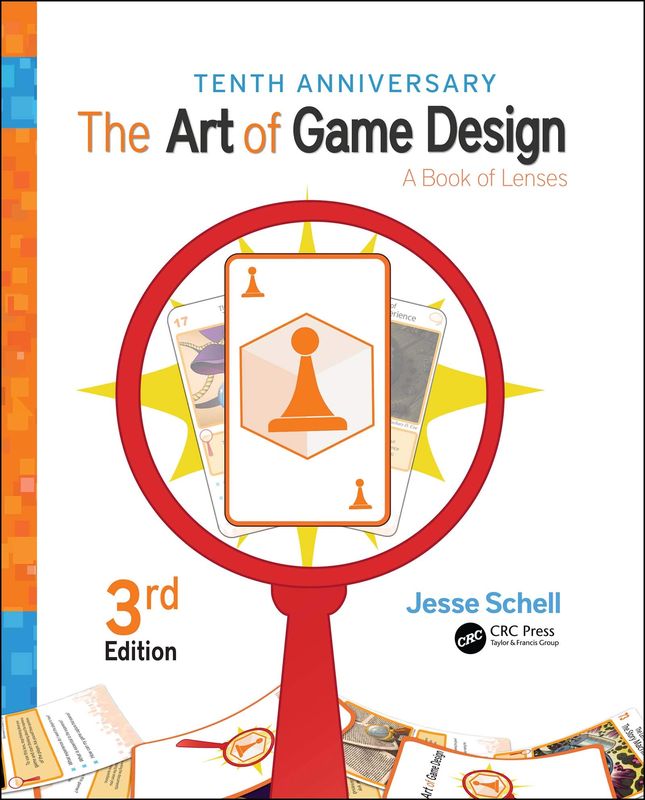
The Art of Game Design Book Summary
In 'The Art of Game Design,' Jesse Schell unravels the captivating world of game development, blending theory and practical insights. He presents a unique perspective that gaming is not just a skill but an art form, exploring what truly makes games immersive and memorable. With a combination of engaging anecdotes and hands-on exercises, Schell invites readers to think like designers and embrace creativity. The book serves as a comprehensive guide, making it an essential read for aspiring game creators and enthusiasts alike. Dive into the playful intricacies of design and discover the secrets that could inspire your next game masterpiece!
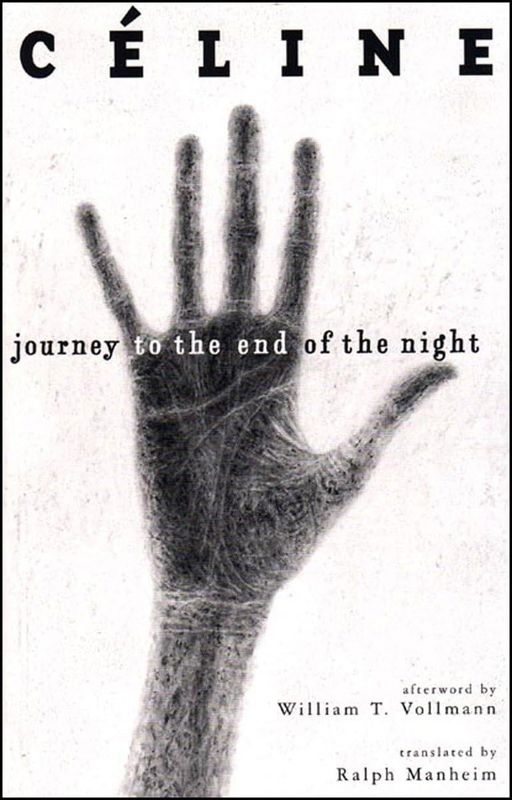
Journey to the End of the Night Book Summary
In 'Journey to the End of the Night,' Céline takes readers on a dark and unsettling odyssey through the horrors of war, despair, and existential dread. The protagonist, Ferdinand Bardamu, navigates a post-World War I landscape filled with both absurdity and brutality, challenging the conventions of society and morality. The novel is renowned for its raw, fragmented style and unflinching portrayal of human suffering, inviting readers to confront uncomfortable truths about existence. As Bardamu spirals through life, he grapples with questions of fate, meaning, and the human condition. This provocative and groundbreaking work remains a profound exploration of the depths of human experience, leaving an indelible mark on literature.
Showing 8 of 29 similar books
Take your reading experience to the next level
Download our mobile app to enjoy your favorite books on the go. Get access to exclusive features, offline listening, and personalized recommendations.

Similar Book Recommendations →
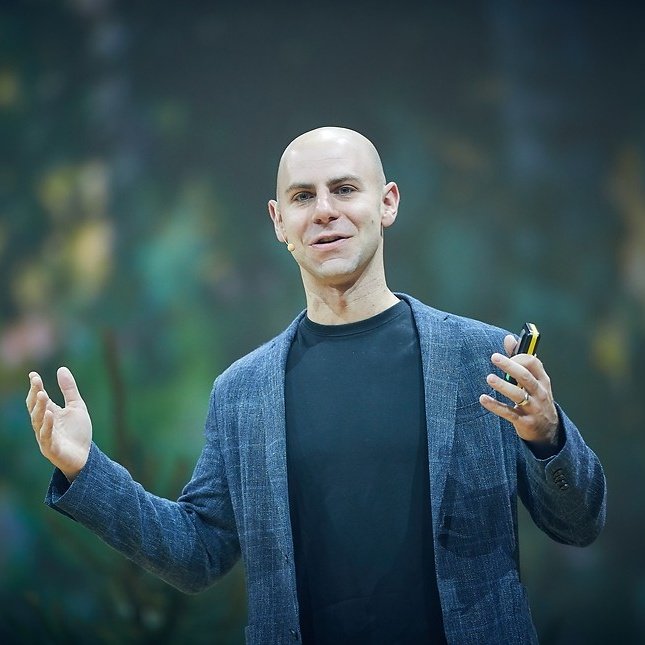
Adam Grant's Book Recommendations
Adam Grant is a renowned organizational psychologist and bestselling author, celebrated for his influential work on motivation and workplace dynamics. He is a professor at the Wharton School of the University of Pennsylvania, where he has been the youngest tenured professor and earned numerous teaching awards. Grant's books, including "Give and Take," "Originals," and "Think Again," have been translated into multiple languages and have topped bestseller lists worldwide. His research and insights are frequently featured in major media outlets, and he hosts the popular podcast "WorkLife." Through his writing and speaking, Grant has profoundly impacted the fields of psychology, business, and education.

Marc Andreessen's Book Recommendations
Marc Andreessen is an American entrepreneur, software engineer, and venture capitalist, best known for co-creating the Mosaic web browser, the first widely-used web browser, and co-founding Netscape. Andreessen is also the co-founder of Andreessen Horowitz, one of Silicon Valley’s most prominent venture capital firms, where he invests in groundbreaking technology companies like Facebook, Airbnb, and Coinbase. He is a thought leader on the impact of technology and innovation, often sharing his views on the future of the internet and startups. His contributions to the development of the web and the tech ecosystem have made him one of the most influential figures in technology.

Reid Hoffman's Book Recommendations
Reid Hoffman is an influential American entrepreneur, venture capitalist, and author, best known as the co-founder of LinkedIn, the professional networking platform that transformed online professional interactions. Hoffman has significantly impacted the business world through his investments in notable tech companies like Airbnb, Facebook, and Zynga. As an author, he has co-written several acclaimed books, including "The Start-Up of You" and "Blitzscaling," which provide strategic insights into career development and business growth. His works are celebrated for their practical advice and have become essential reading for aspiring entrepreneurs and business leaders. Hoffman's contributions extend beyond his literary efforts, as he remains a prominent figure in Silicon Valley, shaping the future of technology and innovation.

James Mattis's Book Recommendations
James Mattis is a retired United States Marine Corps general and former Secretary of Defense, serving under President Donald Trump from 2017 to 2019. Mattis is known for his military leadership during the Iraq War and his command of U.S. Central Command, where he oversaw operations in the Middle East. He is widely respected for his intellectual rigor, strategic thinking, and emphasis on military ethics. After retiring from the military, Mattis has written books, including Call Sign Chaos, reflecting on his leadership experiences. His career has made him a highly regarded figure in both military and civilian leadership circles.

Jocko Willink's Book Recommendations
Jocko Willink is a retired Navy SEAL officer, renowned for his leadership during the Battle of Ramadi in the Iraq War, which earned him the Silver Star and Bronze Star. Transitioning from military service, he co-authored the best-selling book "Extreme Ownership: How U.S. Navy SEALs Lead and Win" with fellow SEAL Leif Babin, which has become a cornerstone in leadership and management literature. Willink has also written the "Way of the Warrior Kid" series, aimed at empowering young readers with principles of discipline and resilience. Additionally, he hosts the popular "Jocko Podcast," where he discusses leadership, discipline, and personal development. Willink's influence extends beyond literature through his Echelon Front leadership consultancy, helping organizations implement effective leadership strategies.

Ryan Holiday's Book Recommendations
Ryan Holiday is a bestselling author and media strategist known for his books on stoicism, including The Obstacle Is the Way and Ego Is the Enemy. He is a leading voice in modern stoic philosophy, teaching readers how to apply ancient wisdom to achieve personal and professional success. Holiday’s work emphasizes resilience, discipline, and humility as keys to navigating life’s challenges. He has consulted with major companies and individuals on marketing and strategy, blending stoic principles with contemporary business practices. His books have been translated into over 30 languages.

Brian Armstrong's Book Recommendations
Brian Armstrong is a renowned entrepreneur and author best known for co-founding and leading Coinbase, a major cryptocurrency exchange. His literary contributions include insightful writings on the future of digital currencies and blockchain technology. Armstrong's work has been pivotal in demystifying complex financial systems for a broader audience. Beyond his business acumen, his thought leadership in publications and public speaking engagements has cemented his status as a key voice in the fintech revolution. His dedication to innovation continues to influence the trajectory of global financial systems.
“In the chaos of battle, clarity is not the absence of fear, but the mastery of it; for every victory begins with the courage to confront what we cannot control.”
The Hundred Rules of War
By Tsukahara Bokuden
Frequently Asked Questions
Explore Our Catalogue
Discover a world of knowledge through our extensive collection of book summaries.
Genres
Genres
Genres
Featured Collections
- Top Book Club Picks
- One-Stop Nutrition
- Summer Reads 2024
- Best Beach Reads 2024
- Work-Life Balance Guide
- Time Management
- Healthy Foods
- Entrepreneur Toolkit
- Mind & Body Wellness
- Future Tech Insights
- Leadership Essentials
- Financial Freedom
- Sci-Fi Masterpieces
- Parenting 101
- Books That Became Blockbusters
- Guide to a Healthy Pregnancy