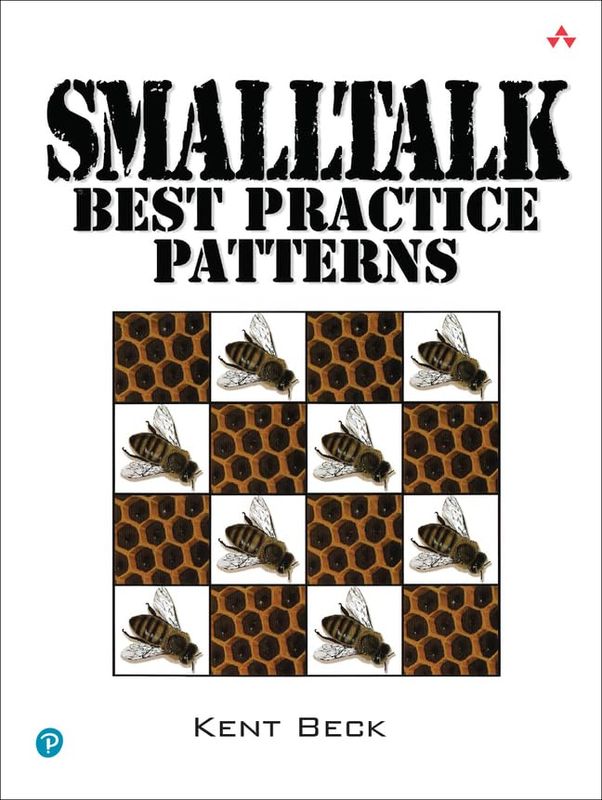

In 'Smalltalk Best Practice Patterns,' Kent Beck unveils a treasure trove of techniques and philosophies that elevate programming to an art form. With keen insights and clear examples, he reveals how simplicity and efficiency can harmonize in your code. Dive into a world where design patterns become second nature, and learn to craft elegant solutions to complex problems. This book not only challenges traditional programming paradigms but also fosters a mindset of continuous improvement. Prepare to transform your approach to coding and discover the power of Smalltalk!
By Kent Beck
Published: 1997
""The best code is the simplest one that works, and simplicity is a consistent practice that leads to mastery.""
This book presents a set of patterns that organize all the informal experience successful Smalltalk programmers have learned the hard way. Understand these patterns, and you can write much more effective code. Understand the concept of Smalltalk patterns and why they work. Then learn patterns for working with methods, messages, state, collections, classes and formatting. Walk through a development example utilizing patterns.Smalltalk programmers, project managers, teachers and students -- both new and experienced.
Showing 8 of 29 similar books
Alex Lieberman is the co-founder and executive chairman of Morning Brew, a media company that delivers engaging business news. Under his leadership, Morning Brew has grown to reach millions of subscribers, becoming a significant player in modern business journalism. Lieberman is also known for his insightful commentary on entrepreneurship and media trends. His work has significantly influenced the way business news is consumed by younger audiences. Beyond Morning Brew, Lieberman frequently writes and speaks about the intersection of media and technology, further cementing his role as a thought leader in the industry.
Chris Dixon is a notable venture capitalist and technology entrepreneur, best known for his influential role as a general partner at Andreessen Horowitz, where he leads investments in cryptocurrency and blockchain technology. Before joining the firm, Dixon co-founded two startups: SiteAdvisor, a web security company acquired by McAfee, and Hunch, a recommendation engine acquired by eBay. In addition to his investment career, Dixon is a prolific writer and thought leader on technology and innovation, contributing insightful essays and articles to various platforms such as his personal blog and Medium. His writings often explore the future of technology, the internet, and the impact of blockchain, making significant contributions to contemporary tech literature. Dixon's work has earned him recognition as a visionary in both the tech and literary worlds.
David Heinemeier Hansson, also known as DHH, is a Danish programmer, entrepreneur, and author, best known as the creator of Ruby on Rails, a popular web application framework. Heinemeier Hansson is also a partner at Basecamp, a project management and collaboration software company he co-founded. His contributions to software development have earned him widespread recognition, with Ruby on Rails being used by thousands of developers and companies worldwide. Heinemeier Hansson is also a vocal advocate for remote work, simplicity in business, and sustainable work practices, ideas he explores in his bestselling books Rework and It Doesn’t Have to Be Crazy at Work. In addition to his work in tech, he is an accomplished race car driver, having competed in the 24 Hours of Le Mans. Heinemeier Hansson’s approach to work-life balance and entrepreneurship has made him a thought leader in the tech community, where he continues to challenge traditional business practices and advocate for more human-centered approaches to work
Abi Tyas Tunggal is a distinguished author known for his impactful contributions to contemporary literature and digital content. He has garnered acclaim for his insightful storytelling and adept handling of complex themes, resonating with a diverse readership. Tunggal's work often explores the intersections of technology, society, and human experience, making him a prominent voice in modern narrative arts. Beyond his literary achievements, he is also recognized for his innovative use of digital platforms to engage with and expand his audience. Tunggal continues to influence the literary landscape with his thought-provoking and accessible writing.
Bret Victor is a renowned American interface designer and computer scientist celebrated for his innovative contributions to interactive design and human-computer interaction. He is best known for creating dynamic, explorable explanations, which have significantly influenced the way educational content is presented and understood. Victor's seminal work, "Inventing on Principle," advocates for the integration of immediate feedback in creative processes, inspiring a new wave of interactive programming environments. As a former member of the Apple Human Interface team, he played a pivotal role in shaping modern user interfaces. Through his organization, Dynamicland, Victor continues to explore and expand the boundaries of immersive, collaborative computing environments.
Charlie Munger is an American investor, businessman, and philanthropist, best known as the vice chairman of Berkshire Hathaway, where he partners with Warren Buffett. Renowned for his insights on investment strategies and mental models, Munger has significantly influenced the world of finance. His notable literary contributions include "Poor Charlie's Almanack," a compilation of his speeches and writings that distill his wisdom on decision-making and business principles. Munger's work emphasizes the importance of multidisciplinary thinking and continuous learning. Beyond his financial acumen, he is celebrated for his charitable efforts, particularly in education and healthcare.
Barack Obama is the 44th President of the United States, serving from 2009 to 2017. As the first African American president, Obama’s leadership marked a historic moment in American history. His administration focused on healthcare reform, economic recovery from the Great Recession, and environmental policies. He is best known for the Affordable Care Act, as well as his efforts to expand civil rights and restore diplomatic relations with Cuba. Since leaving office, Obama has continued to engage in public life through his foundation, focusing on leadership development, civic engagement, and global issues.
Coleen Baik is an American designer, artist, and entrepreneur, known for her work in the tech industry, including as a founding team member of Twitter. Baik played a key role in shaping the user experience and design of Twitter in its early days, contributing to its iconic interface. She is also the founder of Baik Art, a multidisciplinary art studio that blends technology and visual art. Baik is passionate about using design to create meaningful and user-centered digital experiences, and she frequently speaks on topics related to innovation, design, and creativity. Her work has made her a prominent figure in the intersection of tech and design.
Showing 8 of 23 related collections
“"The best code is the simplest one that works, and simplicity is a consistent practice that leads to mastery."”
Smalltalk Best Practice Patterns
By Kent Beck
Discover a world of knowledge through our extensive collection of book summaries.
Kent Beck is an influential American software engineer, author, and speaker, best known for his contributions to the Agile software development movement. He is a co-creator of Extreme Programming (XP) and has authored several noteworthy books in the field of software development, including 'Extreme Programming Explained,' 'Test Driven Development: By Example,' and 'Implementation Patterns.' Beck's writing style is characterized by clarity and pragmatism, often emphasizing the importance of simplicity and effective communication in software engineering. His work has significantly impacted the practices and methodologies used in software development today.
Key information about the book.
 Buy on Amazon
 Buy via BookShop
Support local bookstores: BookShop gives a portion of each sale to independent bookshops!
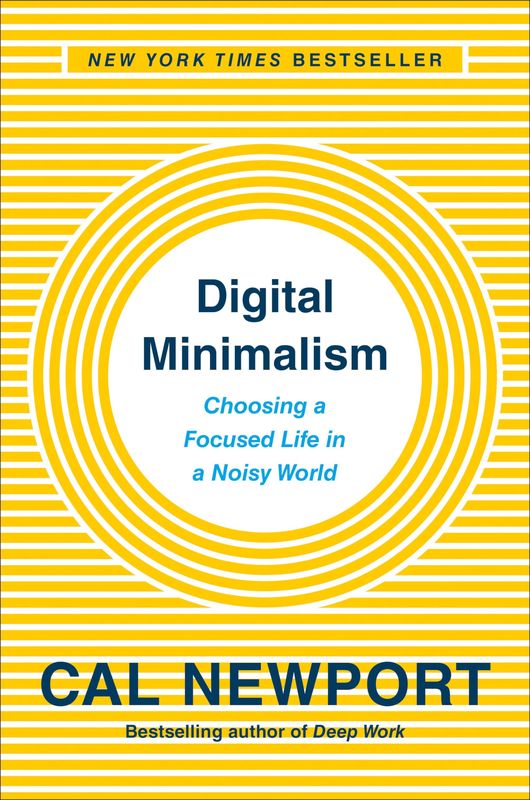
In 'Digital Minimalism', Cal Newport challenges our relationship with technology, advocating for a mindful approach to digital consumption. He presents a philosophy that emphasizes focusing on what truly matters in our lives by decluttering our digital spaces. Through compelling anecdotes and research, Newport unveils the hidden costs of excessive screen time, encouraging readers to reclaim their attention and leisure. This transformative book offers practical strategies for prioritizing meaningful interactions and passions over distractions. Are you ready to disconnect to reconnect with what truly enriches your life?
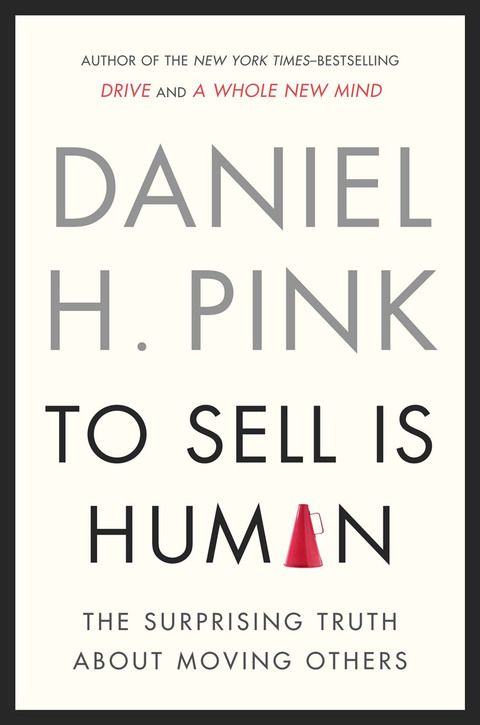
In "To Sell Is Human," Daniel H. Pink reveals that everyone is in sales, whether they realize it or not. He explores the art of persuasion and the changing landscape of selling in a world driven by technology and social interaction. Through captivating anecdotes and scientific research, Pink uncovers the surprising truths about what motivates us to buy and sell. He offers practical techniques to enhance our ability to connect and influence others ethically. This thought-provoking book challenges our perceptions of salesmanship, inspiring readers to embrace their inner seller in everyday life.
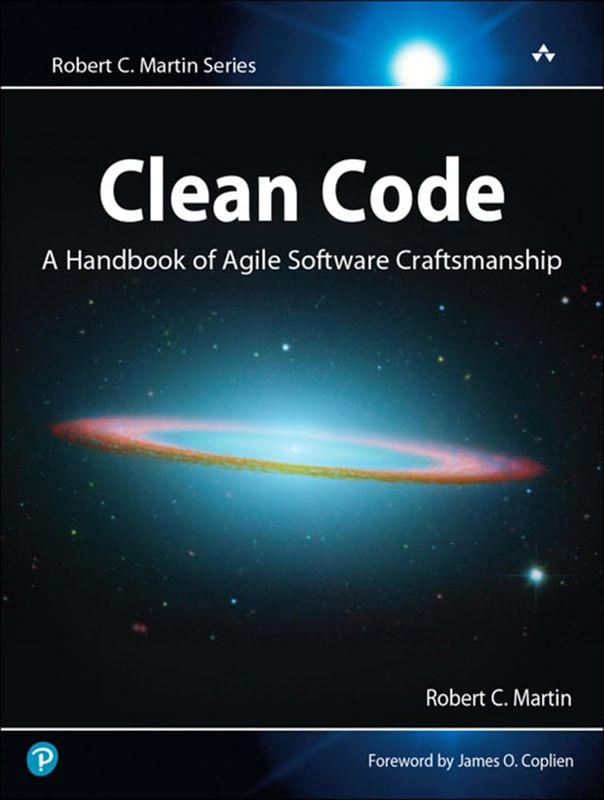
Clean Code: A Handbook of Agile Software Craftsmanship by Robert C. Martin is a masterclass in writing quality code that stands the test of time. Through a series of practical examples and principles, Martin reveals the art of developing clean, readable, and maintainable code, while emphasizing the moral responsibility of programmers. He challenges readers to confront their coding habits and provides actionable insights to elevate their skills. With an exploration of key concepts like refactoring, testing, and the importance of simplicity, this book becomes an essential guide for anyone who writes software. Dive in and discover how clean code not only enhances productivity but also fosters a culture of excellence in software development!
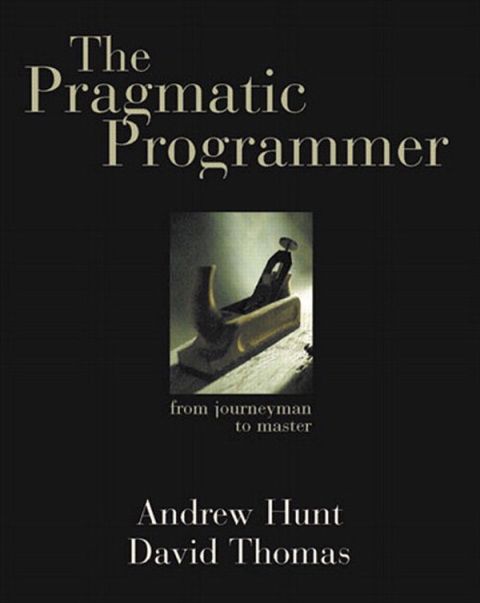
In "The Pragmatic Programmer," Andrew Hunt and David Thomas unveil the timeless principles and practices that empower developers to master their craft. Through captivating anecdotes and insightful tips, they challenge conventional programming wisdom, urging readers to embrace adaptability and continuous learning. The compelling emphasis on practical techniques, such as code craftsmanship and effective debugging, makes this a must-read for both seasoned pros and new coders. With its blend of philosophy and actionable advice, the book invites you to reflect on your own software development journey. Prepare to elevate your programming skills and become a more versatile developer—your future self will thank you!

No summary available
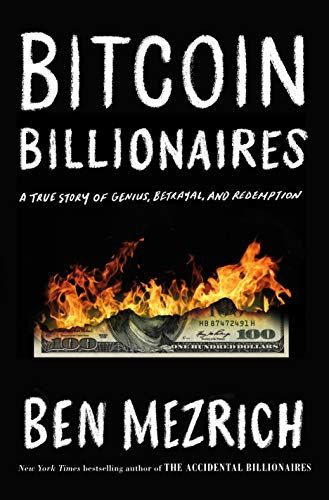
In 'Bitcoin Billionaires,' Ben Mezrich chronicles the fascinating journey of the Winklevoss twins as they venture from the shadow of their legal battles with Mark Zuckerberg to become pioneering pioneers in the cryptocurrency revolution. This thrilling adventure explores their strategic investments and relentless pursuit of success in the burgeoning world of Bitcoin. With a blend of personal anecdotes and the rollercoaster of digital currency, the book reveals the challenges and triumphs faced by those at the forefront of financial innovation. As the stakes rise, readers are drawn into a narrative filled with ambition, technology, and the quest for fortune. Will the twins navigate the turbulent waters of this new economy, or will they lose it all in the unpredictable world of crypto?
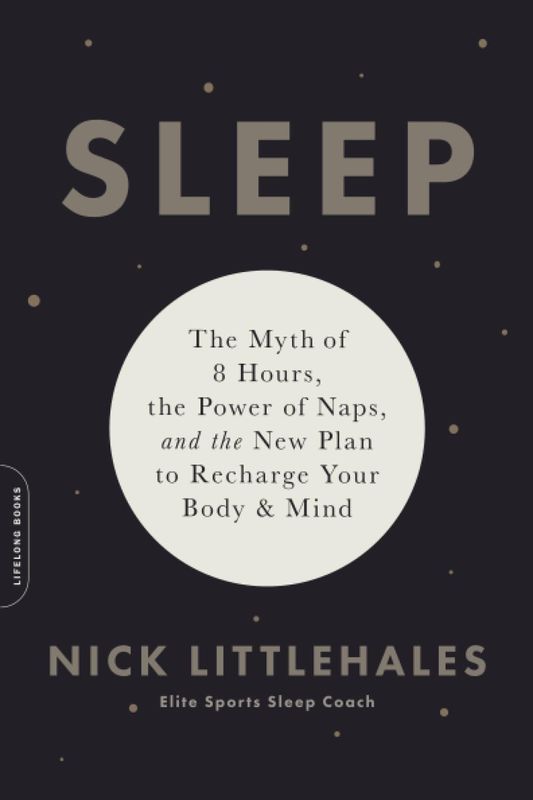
In 'Sleep,' renowned sleep coach Nick Littlehales unveils the revolutionary approach to enhancing sleep quality and optimizing performance. Drawing on years of research and work with elite athletes, he challenges conventional sleep myths and introduces the concept of 'NREM' cycles. Littlehales provides practical techniques to harness the power of sleep in our busy lives, emphasizing that it’s not just about quantity, but quality. This isn't just a guide to better sleep; it's an invitation to unlock your potential through a deeper understanding of slumber. Will you dare to rethink your relationship with sleep?
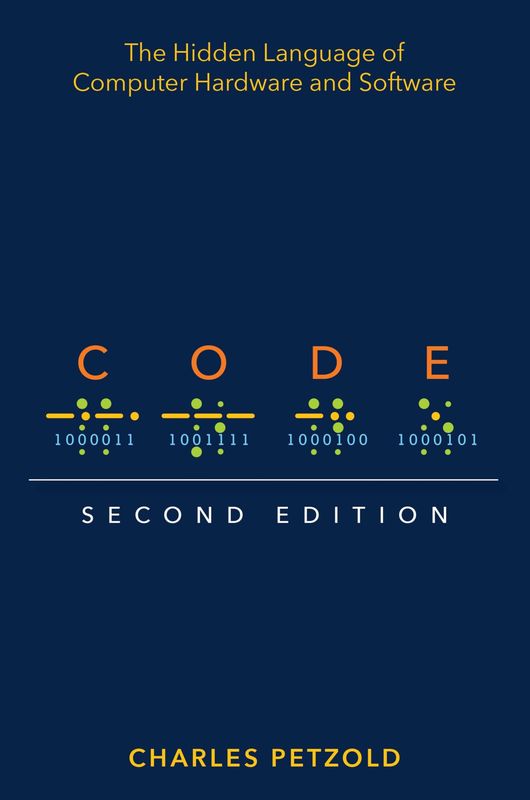
In 'Code', Charles Petzold takes readers on a captivating journey through the world of programming and computer science. He unravels the complex tapestry of how computers work, starting from simple concepts and building up to intricate systems. Through engaging anecdotes and metaphors, Petzold demystifies the inner workings of machines, making them accessible to everyone. This exploration not only reveals the beauty of code but also challenges us to think critically about the impact of technology in our lives. Prepare to see the digital world around you in a whole new light!








Download our mobile app to enjoy your favorite books on the go. Get access to exclusive features, offline listening, and personalized recommendations.