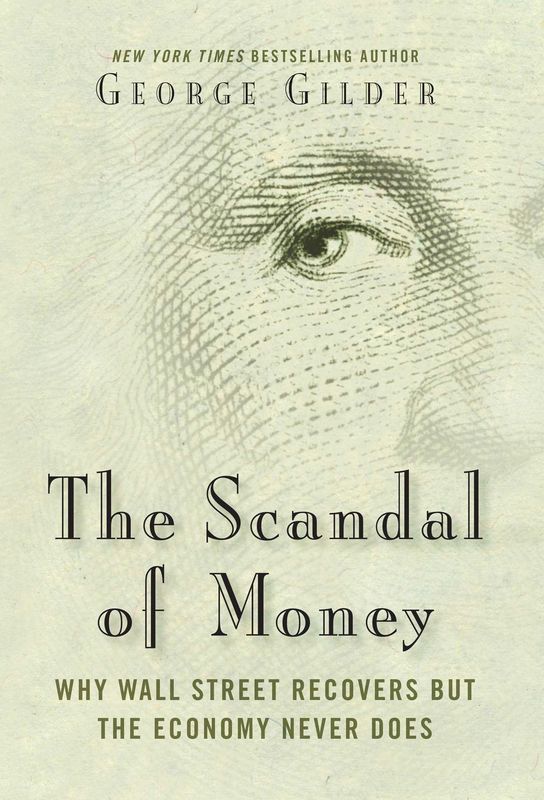
The Scandal of Money Book Summary
In 'The Scandal of Money,' George Gilder challenges conventional economic wisdom by exposing the flawed narratives surrounding currency and wealth creation. He argues that money is not merely a commodity but a vital signal of human creativity and value. Gilder takes readers on a thought-provoking journey, revealing how financial systems are undermined by government intervention and technological stagnation. With bold insights and a call for a new monetary paradigm, he ignites a debate on the future of capitalism and innovation. Prepare to rethink everything you know about money and its role in our lives!
By George Gilder
Published: 2016
""Money is not merely a medium of exchange; it is a dynamic force that fosters creativity and drives the human spirit to explore new frontiers.""

Start Listening to Book Summary
Book Review of The Scandal of Money
"Why do we think governments know how to create money? They don't. George Gilder shows that money is time, and time is real. He is our best guide to our most fundamental economic problem." --Peter Thiel, founder of PayPal and Palantir Technologies "Thirty-five years ago, George Gilder wrote Wealth and Poverty, the bible of the Reagan Revolution. With The Scandal of Money he may have written the road map to the next big boom." --Arthur B. Laffer, coauthor of the New York Times bestseller An Inquiry into the Nature and Causes of the Wealth of States "Gilder pushes us to think about the government monopoly on money and makes a strong case against it. If you believe in economic freedom, you should read this book." --Senator Jim DeMint, president of The Heritage Foundation As famed economist and New York Times bestselling author George Gilder points out, “despite multi-billion dollar stimulus packages and near-zero interest rates, Wall Street recovers but the economy never does.” In his groundbreaking new book, The Scandal of Money, Gilder unveils a radical new explanation for our economic woes. Gilder also exposes the corruption of the Federal Reserve, Washington power-brokers, and Wall Street’s “too-big-to-fail” megabanks, detailing how a small cabal of elites have manipulated currencies and crises to stifle economic growth and crush the middle class. Gilder spares no one in his devastating attack on politicians’ economic policies. He claims that the Democrats will steer us to ruin – but points out that Republicans are also woefully misguided on how to salvage our economic future. With all major polls showing that voters rank the economy as one of the top three “most important problems” facing the nation, Gilder’s myth-busting, paradigm-shifting recipe for economic growth could not come at a more critical time. In The Scandal of Money, the reader will learn: Who is to blame for the economic crippling of America How the new titans of Wall Street value volatility over profitability Why China is winning and we are losing Who the real 1% is and how they are crushing the middle class The hidden dangers of a cashless society What Republicans need to do to win the economic debate—and what the Democrats are doing to make things worse
Book Overview of The Scandal of Money
About the Book Author
George Gilder
George Gilder is an influential American author, economist, and technology forecaster known for his works on economic theory, technology, and culture. He rose to prominence in the 1980s with his bestselling books including 'Wealth and Poverty,' which argued for the importance of entrepreneurial innovation in economic development, and 'Life After Television,' which predicted the transformative impact of digital technology on society. Gilder's writing is characterized by a blend of intellectual rigor and accessible prose, often infused with a sense of optimism about human ingenuity and progress. He is also known for his views on the intersection of technology and freedom, and he continues to be a prominent commentator on contemporary economic and technological issues.
Book Details
Key information about the book.
- Authors
- George Gilder
- Published
- March 2016
- Publisher
- Regnery Gateway
- ISBN
- 1621575756
- Language
- English
- Pages
- N/A
- Genres
- Global EconomicsFinanceBusiness and EconomicsEconomic PolicyFinancial Literacy for Kids
Purchase Options
 Buy on Amazon
 Buy via BookShop
Support local bookstores: BookShop gives a portion of each sale to independent bookshops!
Similar books you might like →
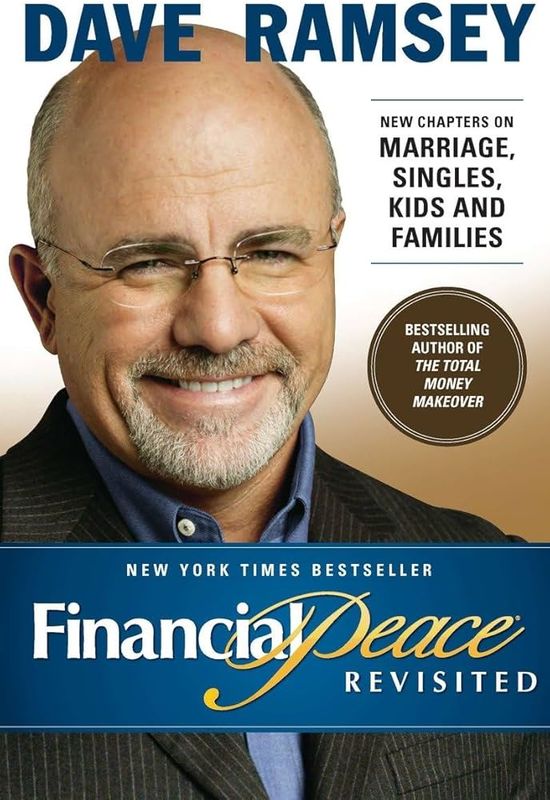
Financial Peace Revisited Book Summary
In "Financial Peace Revisited," renowned financial guru Dave Ramsey lays out a transformative blueprint for achieving financial independence and peace of mind. Through compelling personal anecdotes and straightforward principles, he demystifies budgeting and debt management, empowering readers to take control of their finances. Ramsey's seven-step plan not only promises to eliminate debt but also encourages a mindset shift towards saving and giving. With a blend of practical advice and motivational insights, he confronts common financial fears and inspires readers to envision a life free from money stress. Dive into this engaging guide and discover the keys to unlocking your financial freedom!
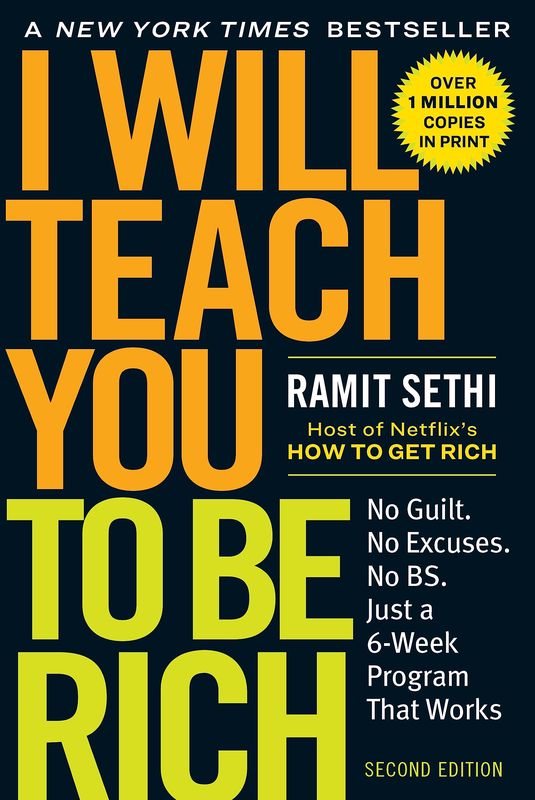
I Will Teach You to Be Rich, Second Edition Book Summary
In 'I Will Teach You to Be Rich, Second Edition,' Ramit Sethi provides a no-nonsense guide to mastering personal finance with a blend of humor and practicality. He challenges conventional money advice and introduces readers to a unique banking system for maximizing their savings. Through straightforward strategies, Sethi reveals how to automate finances and invest wisely for the long term. Each chapter brims with actionable tips that encourage readers to take control of their financial futures. With insights that delve deep into psychology and behavior, this book is a game-changer for anyone seeking to build real wealth.
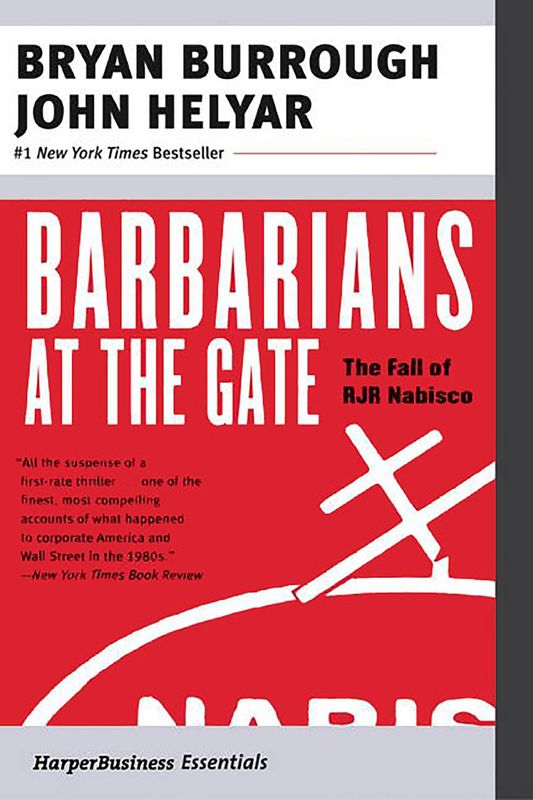
Barbarians at the Gate Book Summary
Barbarians at the Gate recounts the thrilling true story of the fierce battle for control of RJR Nabisco, one of America's largest food companies, as the age of leveraged buyouts reaches a fever pitch. At the heart of the drama are ruthless financiers, corporate raiders, and the golden age of Wall Street, all vying for power and wealth amidst the excesses of the 1980s. As the stakes escalate, alliances shift and moral dilemmas arise, revealing the darker side of corporate ambition. This gripping tale not only exposes the lengths to which individuals will go for success but also critiques the very foundations of capitalism. Prepare to be captivated by the intrigue, betrayal, and sheer audacity of one of the biggest takeovers in history!
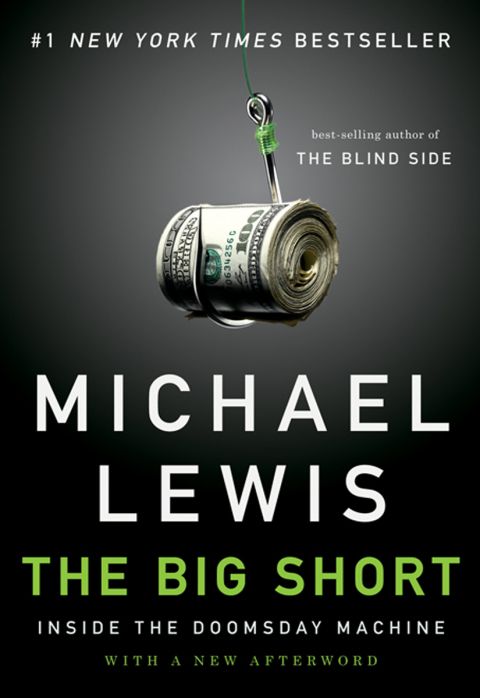
The Big Short: Inside the Doomsday Machine Book Summary
In "The Big Short," Michael Lewis unveils the hidden complexities of the 2008 financial crisis through the eyes of a few unconventional investors who saw disaster coming. As they bet against the housing market, these outsiders navigate Wall Street’s labyrinthine greed and negligence, exposing the flawed logic behind the crisis. With wit and suspense, Lewis reveals the shocking truth about the financial instruments that led to economic chaos. Readers will find themselves questioning the very foundations of finance while gripping the edge of their seats at the unfolding drama. Can a handful of mavericks really challenge the system, or are they just playing a dangerous game of chance?
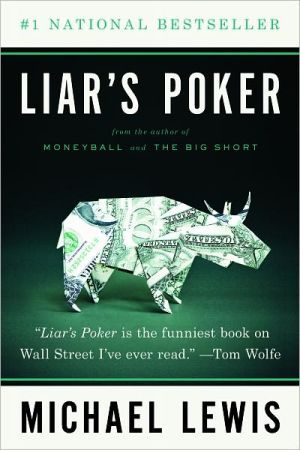
Liar's Poker Book Summary
Liar's Poker takes you deep into the high-stakes world of Wall Street during the 1980s, where the line between truth and deception blurs in the cutthroat arena of finance. Author Michael Lewis pulls back the curtain on the chaotic life of bond traders, showcasing a ruthless culture driven by greed and bravado. Through vivid anecdotes and sharp insights, readers are thrust into the thrilling, sometimes absurd realm of investment banking. As Lewis navigates the intricacies of "big swinging d***s," he unveils the strategies and psychological games that define success in this high-pressure environment. Will you emerge with a new understanding of the financial world and its enigmatic players?
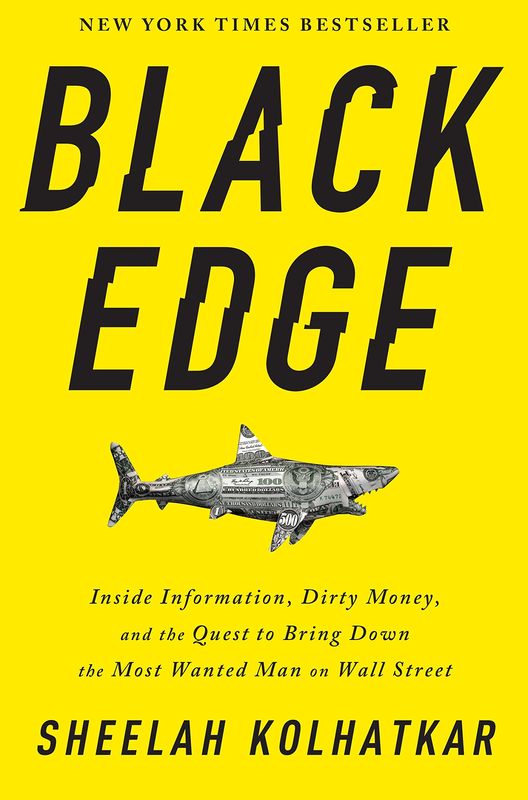
Black Edge Book Summary
In "Black Edge," investigative journalist Sheelah Kolhatkar delves into the high-stakes world of hedge funds and the enigmatic figure of Steven A. Cohen. As she unravels the saga of insider trading, greed, and Wall Street's murky ethics, the book pulls readers into a gripping tale of ambition that spans decades. With intellectual prowess and audacious risk-taking, Cohen's rise to power raises questions about the moral compass of finance. Kolhatkar's penetrating analysis unveils the dark side of wealth and the relentless pursuit of success, leaving readers questioning the true cost of ambition. Will you dare to uncover the secrets of a financial titan and the shadowy underworld they inhabit?
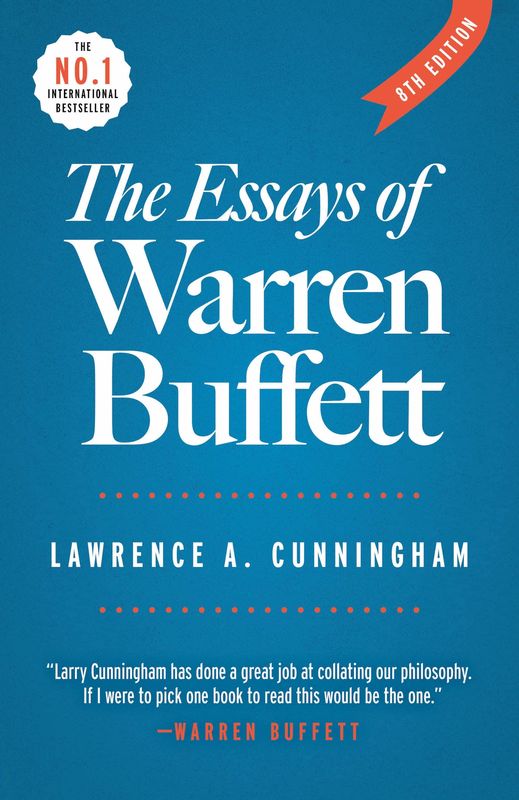
The Essays of Warren Buffett Book Summary
In "The Essays of Warren Buffett," the legendary investor distills decades of wisdom into a compelling collection of insights on investing, business, and life. Through a series of thought-provoking essays, Buffett shares his unique perspective on risk, value, and the importance of patience in the tumultuous world of finance. His distinctive voice combines humor with profound lessons, making complex concepts accessible to both novice investors and seasoned pros. As you delve into his reflections, you'll uncover the principles that have guided his success and how they can be applied to your own financial journey. Prepare to be inspired and challenged to rethink your approach to investing and wealth-building!

The Attachment Parenting Book Book Summary
In "The Attachment Parenting Book," experts Dr. William Sears and Martha Sears illuminate the profound impact of nurturing bonds between parents and children. This insightful guide champions a responsive, empathetic approach to child-rearing, encouraging parents to follow their instincts while fostering secure attachments. With practical advice on breastfeeding, co-sleeping, and managing daily challenges, the book ignites curiosity about the power of emotional connection in development. Delve into real-life stories and proven strategies that empower caregivers to nurture confident, resilient children. Discover how embracing attachment parenting can transform your family's dynamics and elevate the joy of parenting!
Showing 8 of 30 similar books
Take your reading experience to the next level
Download our mobile app to enjoy your favorite books on the go. Get access to exclusive features, offline listening, and personalized recommendations.

Similar Book Recommendations →

Eric Weinstein's Book Recommendations
Eric Weinstein is an accomplished American mathematician, economist, and writer, known for his influential work in the fields of geometric unity and economic theory. As the Managing Director of Thiel Capital, he has significantly impacted the financial and technological sectors. Weinstein is also renowned for his thought-provoking discussions on the podcast "The Portal," where he explores complex scientific and social issues. He has written extensively on a variety of topics, contributing to both academic and popular literature. His unique perspectives and interdisciplinary approach have earned him recognition as a leading intellectual voice of his generation.

Ben Shapiro's Book Recommendations
Ben Shapiro is an American conservative political commentator, author, and lawyer, known for his sharp analytical skills and outspoken views. He graduated from UCLA at the age of 20 and Harvard Law School at 23, demonstrating his early intellectual prowess. Shapiro is the author of several best-selling books including "Bullies: How the Left's Culture of Fear and Intimidation Silences Americans" and "The Right Side of History: How Reason and Moral Purpose Made the West Great." He is the co-founder and editor emeritus of The Daily Wire, a popular conservative news and opinion website. Through his writing and media presence, Shapiro has significantly influenced contemporary political discourse in the United States.
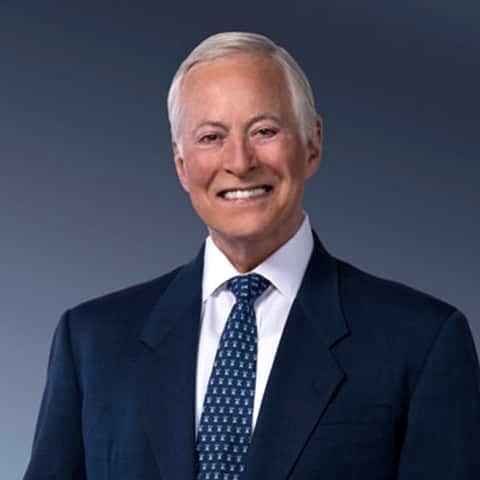
Brian Tracy's Book Recommendations
Brian Tracy is a renowned Canadian-American motivational speaker, self-development author, and business consultant. He has written over 70 books, including bestsellers like "Eat That Frog!" and "The Psychology of Achievement," which have been translated into dozens of languages. Tracy's work primarily focuses on personal success, leadership, time management, and sales strategies. He has also delivered over 5,000 speeches and seminars around the world, inspiring millions to improve their lives and careers. His practical advice and actionable insights have cemented his reputation as a leading authority in personal and professional development.

Nassim Nicholas Taleb's Book Recommendations
Nassim Nicholas Taleb is a Lebanese-American author, scholar, and risk analyst, best known for his work on uncertainty, probability, and risk. His books, including The Black Swan and Antifragile, explore how rare and unpredictable events shape the world and how individuals and systems can become more resilient to shocks. Taleb’s insights on risk management have influenced fields ranging from finance to medicine, and he is known for his outspoken criticism of conventional wisdom. His ideas about randomness, decision-making, and the limitations of human knowledge have made him a leading thinker in modern economics and philosophy.

Mark Zuckerberg's Book Recommendations
Mark Zuckerberg is an American technology entrepreneur best known for co-founding Facebook, the world's largest social media platform, which transformed global communication. Born on May 14, 1984, in White Plains, New York, he launched Facebook in 2004 while attending Harvard University. Under his leadership, Facebook expanded rapidly, influencing the social media landscape and digital advertising. Zuckerberg has also authored numerous articles and essays on technology, innovation, and the future of the internet. His work has had a profound impact on how people connect and share information in the digital age.

David Heinemeier Hansson's Book Recommendations
David Heinemeier Hansson, also known as DHH, is a Danish programmer, entrepreneur, and author, best known as the creator of Ruby on Rails, a popular web application framework. Heinemeier Hansson is also a partner at Basecamp, a project management and collaboration software company he co-founded. His contributions to software development have earned him widespread recognition, with Ruby on Rails being used by thousands of developers and companies worldwide. Heinemeier Hansson is also a vocal advocate for remote work, simplicity in business, and sustainable work practices, ideas he explores in his bestselling books Rework and It Doesn’t Have to Be Crazy at Work. In addition to his work in tech, he is an accomplished race car driver, having competed in the 24 Hours of Le Mans. Heinemeier Hansson’s approach to work-life balance and entrepreneurship has made him a thought leader in the tech community, where he continues to challenge traditional business practices and advocate for more human-centered approaches to work

The Barefoot Investor's Book Recommendations
Scott Pape, known as The Barefoot Investor, is an Australian financial advisor and author, best known for his best-selling book The Barefoot Investor: The Only Money Guide You’ll Ever Need. Pape’s simple, no-nonsense approach to personal finance has helped millions of Australians get out of debt, build savings, and invest for the future. His advice is based on practical, straightforward strategies that focus on budgeting, long-term investments, and financial independence. Pape’s work as a financial educator has made him one of the most trusted voices in personal finance, and his book has become one of the most successful financial guides in Australia.
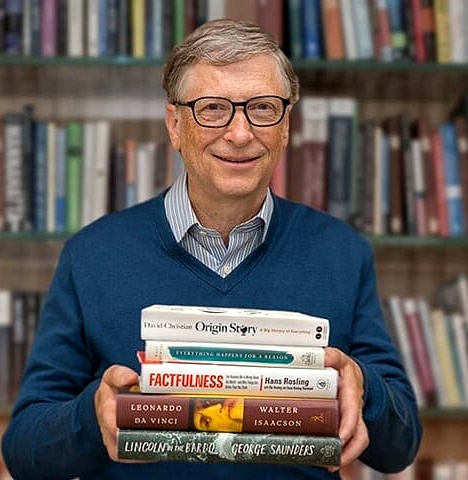
Bill Gates's Book Recommendations
Bill Gates, co-founder of Microsoft Corporation, is a pioneering figure in the tech industry, having played a key role in the personal computer revolution. His work at Microsoft, particularly the development of Windows, transformed software and computing globally. Beyond his technology contributions, Gates is also a prolific author, with notable works such as "The Road Ahead" and "Business @ the Speed of Thought," which offer insights into the future of technology and business. Additionally, his philanthropic efforts through the Bill & Melinda Gates Foundation have had a profound impact on global health, education, and poverty. Gates continues to influence both technology and literature with his forward-thinking perspectives and innovative ideas.
Showing 8 of 11 related collections
“"Money is not merely a medium of exchange; it is a dynamic force that fosters creativity and drives the human spirit to explore new frontiers."”
The Scandal of Money
By George Gilder
Frequently Asked Questions
Explore Our Catalogue
Discover a world of knowledge through our extensive collection of book summaries.
Genres
Genres
Genres
Featured Collections
- Top Book Club Picks
- One-Stop Nutrition
- Summer Reads 2024
- Best Beach Reads 2024
- Work-Life Balance Guide
- Time Management
- Healthy Foods
- Entrepreneur Toolkit
- Mind & Body Wellness
- Future Tech Insights
- Leadership Essentials
- Financial Freedom
- Sci-Fi Masterpieces
- Parenting 101
- Books That Became Blockbusters
- Guide to a Healthy Pregnancy