59 Seconds Book Summary
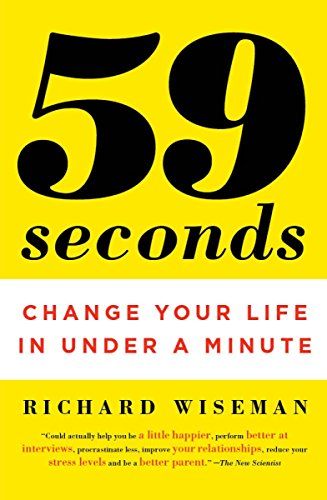
In '59 Seconds,' psychologist Richard Wiseman explores the intriguing science behind quick and effective self-improvement techniques. By debunking popular myths, he reveals how simple changes can lead to profound results in our happiness, creativity, and success. Each chapter is packed with fascinating insights that challenge conventional thinking, encouraging readers to rethink their approach to personal growth. With practical exercises that only take a minute, this book empowers you to make meaningful changes without the fluff. Are you ready to unlock your potential in just 59 seconds?
By Richard Wiseman
Published: 2010
"Change is a process, not an event; by understanding the science of the mind, we can reshape our thoughts and, ultimately, our lives."

Start Listening to Book Summary
Book Review of 59 Seconds
An easy-to-use, concise guide to changing your life in under a minute, backed by cutting-edge scientific research. Bestselling author and psychologist Richard Wiseman had become increasingly frustrated with the self-help industry and its snake-oil treatments. Here, bringing together a remarkably diverse range of scientific data, he has crafted a no-nonsense response to their ineffectual programs. Filled with tips and tricks that come straight from the latest scientific journals and his own original research, Wiseman outlines the new science of "rapid change" and describes with clarity and infectious enthusiasm how these quirky, sometimes counterintuitive techniques can be effortlessly incorporated into your everyday life.
Book Overview of 59 Seconds
About the Book Author
Richard Wiseman
Richard Wiseman is a British psychologist and author known for his engaging exploration of psychology and the human experience. He has written several influential books, including 'The Luck Factor,' 'Quirkology,' and '59 Seconds,' where he combines scientific research with practical advice, aiming to improve everyday life. Wiseman's writing style is accessible and often infused with humor, making complex psychological concepts understandable to a general audience. His work has reached a global readership and he is recognized for his ability to blend rigorous scientific methodology with a captivating narrative.
Book Details
Key information about the book.
- Authors
- Richard Wiseman
- Published
- December 2010
- Publisher
- Anchor
- ISBN
- 0307474860
- Language
- English
- Pages
- 311
- Genres
- Self-HelpPersonal GrowthSuccess StoriesHabit Formation
Purchase Options
 Buy on Amazon
 Buy via BookShop
Support local bookstores: BookShop gives a portion of each sale to independent bookshops!
Similar books you might like →
The War of Art Book Summary
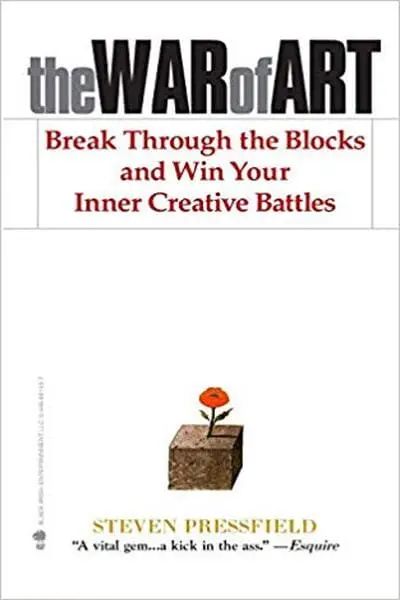
In "The War of Art," Steven Pressfield uncovers the relentless battle every creative individual faces against resistance. This powerful guide examines how self-doubt, procrastination, and fear can sabotage artistic endeavors and personal growth. Through inspiring anecdotes and practical wisdom, Pressfield encourages readers to embrace their passion and conquer the demons that hold them back. He offers a roadmap for transforming struggle into triumph and dedicating oneself to the calling of creativity. Will you rise to the challenge and unleash the artist within?
Better Than Before Book Summary
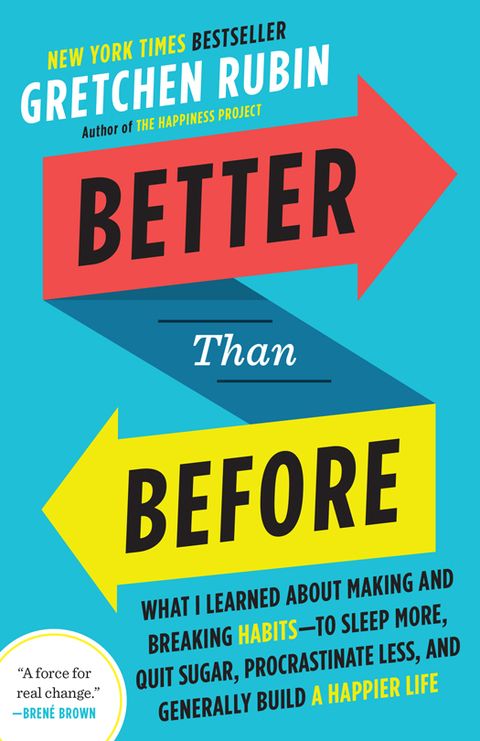
In "Better Than Before," Gretchen Rubin explores the intricacies of habit formation, revealing how understanding our unique tendencies can transform our lives. Through a blend of personal anecdotes and scientific research, she unveils a framework that helps individuals craft enduring habits tailored to their personalities. Rubin identifies four distinct types of people—Upholders, Questioners, Obligers, and Rebels—each with their own strengths and challenges in establishing new routines. With actionable strategies and thought-provoking insights, the book serves as both a practical guide and an inspiring invitation to embrace change. Can you unlock the secrets to becoming your best self?
The Subtle Art of Not Giving a F**k Book Summary
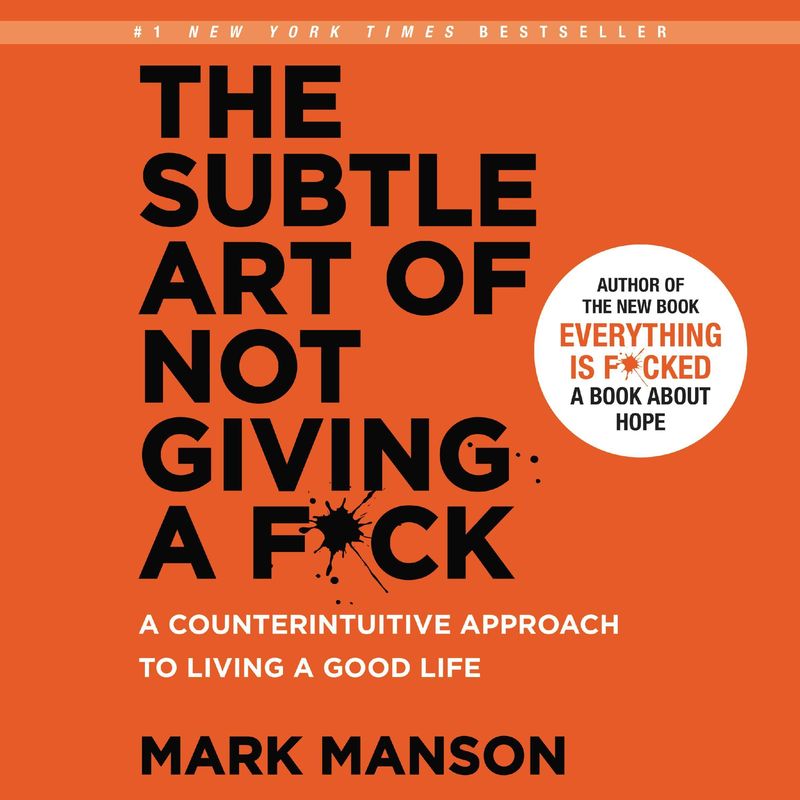
In 'The Subtle Art of Not Giving a F**k', Mark Manson challenges conventional self-help wisdom by advocating for embracing life's struggles rather than avoiding them. He argues that our obsession with positivity can lead to dissatisfaction and that a deeper, more meaningful life comes from focusing on what truly matters. Through a mix of humor and blunt honesty, Manson offers a refreshing perspective on how to find personal fulfillment. This book invites readers to reconsider their values and priorities, urging them to care only about the things that bring true happiness. Are you ready to stop striving for a perfect life and start finding meaning in the imperfections?
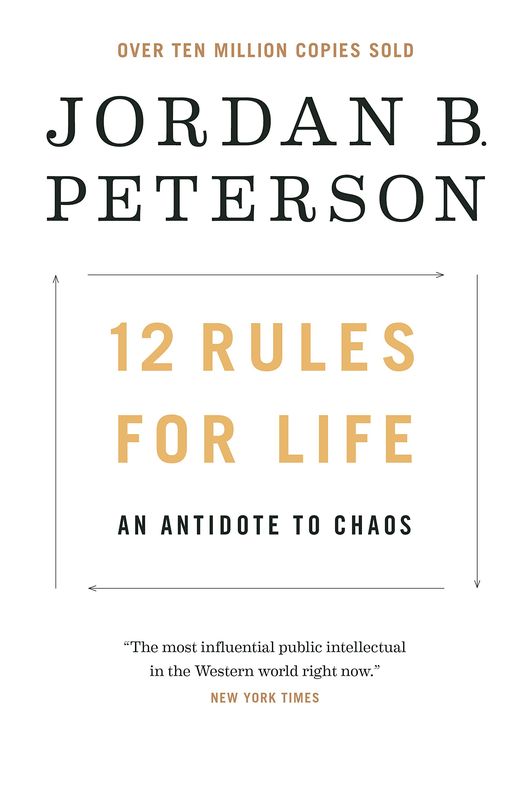
12 Rules for Life Book Summary
In '12 Rules for Life', psychologist Jordan B. Peterson distills life lessons from psychology, philosophy, and mythology into twelve profound principles for personal growth. Each rule invites readers to confront the chaos of existence and embrace responsibility, guiding them toward meaning and order. Peterson's compelling narratives and incisive insights challenge conventional wisdom, urging self-reflection and accountability. As readers navigate through the complexities of life, they discover how to build a stable foundation for themselves and their communities. This thought-provoking book promises to provoke deep contemplation and inspire transformative change.
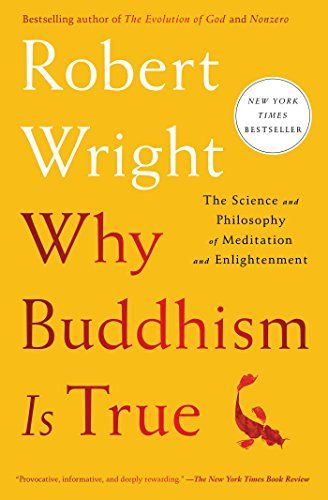
Why Buddhism is True Book Summary
In 'Why Buddhism is True', Robert Wright explores the intersections of modern psychology and ancient Buddhist philosophy, revealing how mindfulness can enhance our understanding of reality. He delves into the science of the mind, explaining why our thoughts often deceive us and how Buddhism offers a remedy. Through engaging anecdotes and thought-provoking insights, Wright demonstrates that the principles of Buddhism can lead to a more fulfilling life. He challenges readers to rethink their beliefs and consider the benefits of a Buddhist approach to pain and suffering. Will you discover the truth that can liberate your mind?
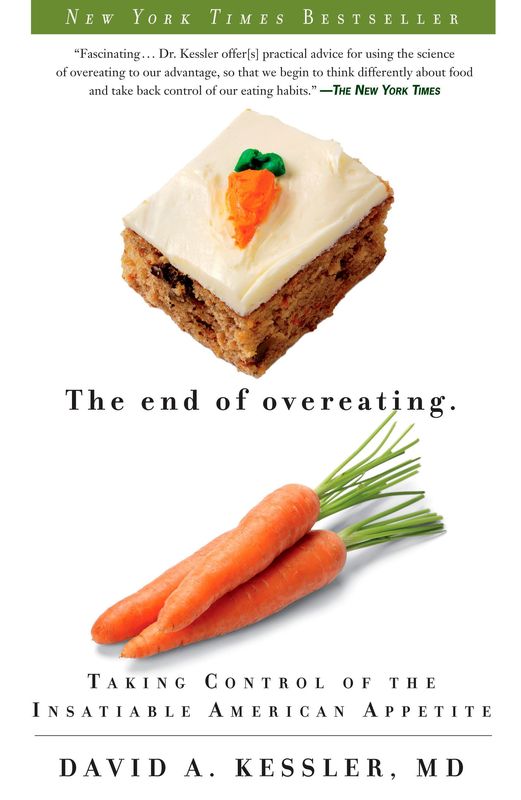
The End of Overeating Book Summary
In 'The End of Overeating,' David A. Kessler explores the psychological and biological triggers behind our cravings for unhealthy foods. He unveils how the food industry manipulates these impulses to maximize profits, leaving us trapped in a cycle of overeating. This eye-opening journey reveals the profound impact of our eating habits on health and well-being. Kessler provides practical strategies to help readers regain control and reshape their relationship with food. Are you ready to challenge the status quo of your eating habits and discover a healthier you?
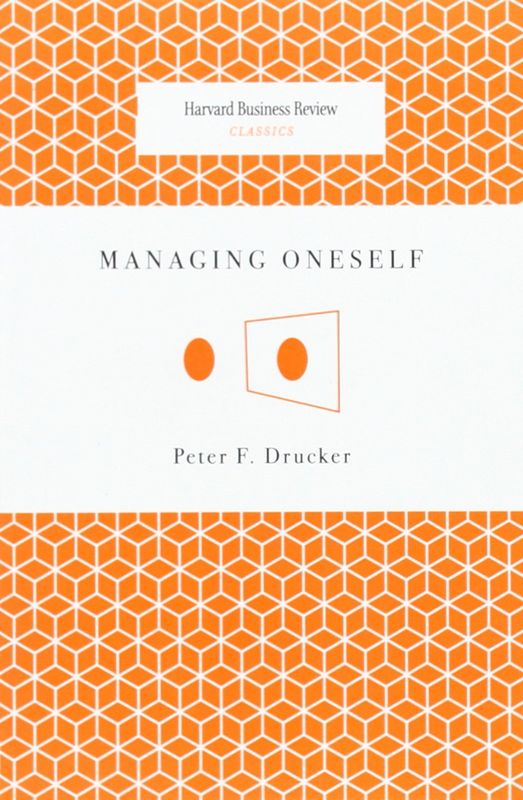
Managing Oneself Book Summary
In 'Managing Oneself', Peter Drucker unveils the art of self-management, emphasizing the importance of understanding one's strengths and weaknesses. He argues that personal effectiveness begins with self-awareness and that individuals must take charge of their own development. Drucker presents practical strategies for identifying and leveraging skills within professional environments. Through compelling insights, he illustrates how intentional self-management leads to greater fulfillment and success. This thought-provoking guide challenges readers to rethink how they approach their careers and personal growth.
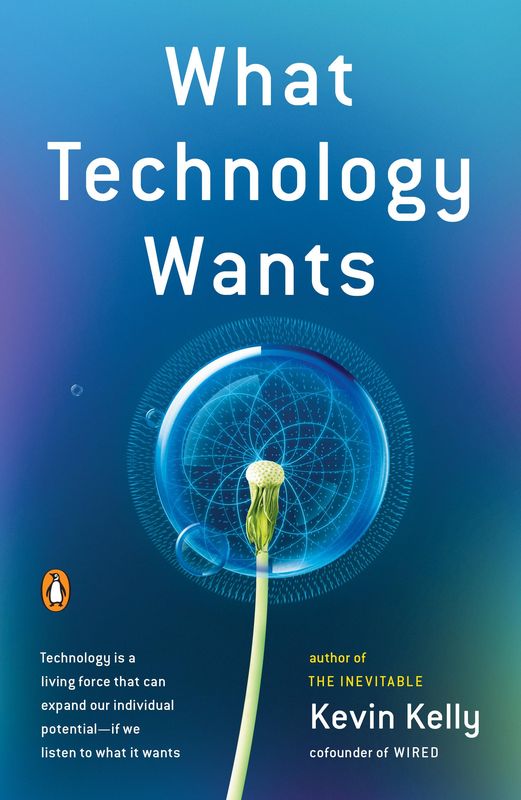
What Technology Wants Book Summary
In "What Technology Wants," Kevin Kelly delves into the deep interplay between humanity and technology, suggesting that technology is an extension of life itself. He argues that just like biological evolution, technology has its own agenda and desires, shaping our future in profound ways. Through a blend of philosophical insights and real-world examples, Kelly reveals how technological advancements reflect our aspirations and fears. As he explores the notion of 'the technium'—a vast, interconnected web of technology—readers are invited to reconsider their relationship with the tools they create. This thought-provoking journey challenges us to embrace technology as a living entity that influences and drives our evolution.
Showing 8 of 27 similar books
Take your reading experience to the next level
Download our mobile app to enjoy your favorite books on the go. Get access to exclusive features, offline listening, and personalized recommendations.

Similar Book Recommendations →

Alex Lieberman's Book Recommendations
Alex Lieberman is the co-founder and executive chairman of Morning Brew, a media company that delivers engaging business news. Under his leadership, Morning Brew has grown to reach millions of subscribers, becoming a significant player in modern business journalism. Lieberman is also known for his insightful commentary on entrepreneurship and media trends. His work has significantly influenced the way business news is consumed by younger audiences. Beyond Morning Brew, Lieberman frequently writes and speaks about the intersection of media and technology, further cementing his role as a thought leader in the industry.

Bryan Johnson's Book Recommendations
Bryan Johnson is an American entrepreneur, investor, and futurist, best known for founding Braintree, a payments company that was acquired by PayPal, and Kernel, a company focused on developing brain-computer interfaces. Johnson is deeply interested in advancing human cognition and longevity through technological innovation. His work at Kernel seeks to better understand the brain and its potential to enhance human intelligence. He is also the founder of OS Fund, which invests in companies tackling complex, world-changing problems in areas like health and energy. Johnson is a strong advocate for using technology to extend human potential and reshape the future of humanity.
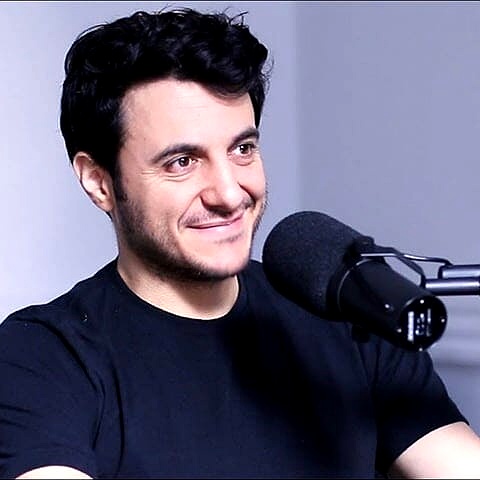
Tim Urban's Book Recommendations
Tim Urban is an acclaimed writer and the co-founder of the popular blog Wait But Why, known for its deep dives into complex topics like artificial intelligence, procrastination, and the future of humanity. He is celebrated for his ability to distill complicated subjects into engaging and accessible narratives, often accompanied by quirky illustrations. Urban's TED Talk on procrastination has garnered millions of views, further cementing his reputation as a thought leader. His writing has attracted a dedicated following and has been praised for its blend of humor and insight. In addition to his blog, Urban is working on a highly anticipated book that promises to delve even deeper into the topics his readers love.
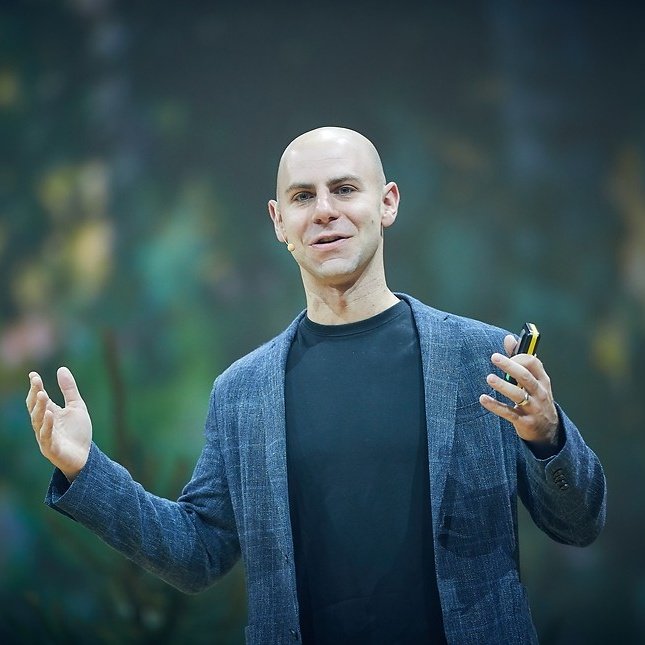
Adam Grant's Book Recommendations
Adam Grant is a renowned organizational psychologist and bestselling author, celebrated for his influential work on motivation and workplace dynamics. He is a professor at the Wharton School of the University of Pennsylvania, where he has been the youngest tenured professor and earned numerous teaching awards. Grant's books, including "Give and Take," "Originals," and "Think Again," have been translated into multiple languages and have topped bestseller lists worldwide. His research and insights are frequently featured in major media outlets, and he hosts the popular podcast "WorkLife." Through his writing and speaking, Grant has profoundly impacted the fields of psychology, business, and education.
“Change is a process, not an event; by understanding the science of the mind, we can reshape our thoughts and, ultimately, our lives.”
59 Seconds
By Richard Wiseman
Frequently Asked Questions
Explore Our Catalogue
Discover a world of knowledge through our extensive collection of book summaries.
Genres
Genres
Genres
Featured Collections
- Top Book Club Picks
- One-Stop Nutrition
- Summer Reads 2024
- Best Beach Reads 2024
- Work-Life Balance Guide
- Time Management
- Healthy Foods
- Entrepreneur Toolkit
- Mind & Body Wellness
- Future Tech Insights
- Leadership Essentials
- Financial Freedom
- Sci-Fi Masterpieces
- Parenting 101
- Books That Became Blockbusters
- Guide to a Healthy Pregnancy