The Brain That Changes Itself Book Summary
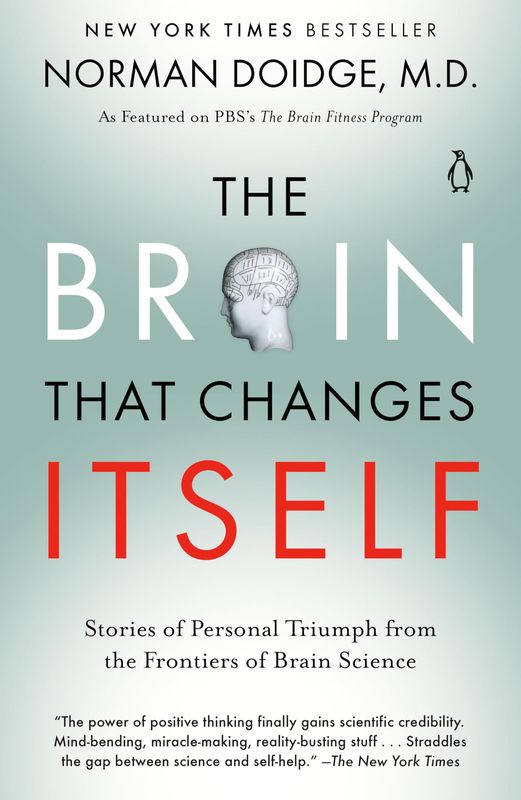
In 'The Brain That Changes Itself', Norman Doidge explores the groundbreaking concept of neuroplasticity, revealing that our brains are not fixed and can reorganize themselves throughout our lives. Through engaging case studies, he showcases individuals who have overcome neurological limitations, from stroke survivors reclaiming lost abilities to those breaking free from lifelong phobias. This book challenges conventional wisdom about the human brain, offering hope and inspiration for anyone seeking change. Doidge's compelling narrative merges science with personal stories, creating a tapestry of resilience and possibility. Discover how you can unlock the hidden potential within your own mind!
By Norman Doidge
Published: 2007
"The brain is not a static organ but a dynamic one, capable of growth and change, showing us that our potential is far greater than we ever imagined."

Start Listening to Book Summary
Book Review of The Brain That Changes Itself
“Fascinating. Doidge’s book is a remarkable and hopeful portrait of the endless adaptability of the human brain.”—Oliver Sacks, MD, author of The Man Who Mistook His Wife for a Hat What is neuroplasticity? Is it possible to change your brain? Norman Doidge’s inspiring guide to the new brain science explains all of this and more An astonishing new science called neuroplasticity is overthrowing the centuries-old notion that the human brain is immutable, and proving that it is, in fact, possible to change your brain. Psychoanalyst, Norman Doidge, M.D., traveled the country to meet both the brilliant scientists championing neuroplasticity, its healing powers, and the people whose lives they’ve transformed—people whose mental limitations, brain damage or brain trauma were seen as unalterable. We see a woman born with half a brain that rewired itself to work as a whole, blind people who learn to see, learning disorders cured, IQs raised, aging brains rejuvenated, stroke patients learning to speak, children with cerebral palsy learning to move with more grace, depression and anxiety disorders successfully treated, and lifelong character traits changed. Using these marvelous stories to probe mysteries of the body, emotion, love, sex, culture, and education, Dr. Doidge has written an immensely moving, inspiring book that will permanently alter the way we look at our brains, human nature, and human potential.
Book Overview of The Brain That Changes Itself
About the Book Author
Norman Doidge
Norman Doidge, M.D., is a psychiatrist and psychoanalyst renowned for his pioneering work in neuroplasticity, which explores the brain's ability to change and heal. He is the author of several influential books, including ‘The Brain That Changes Itself’ and ‘The Brain's Way of Healing.’ Doidge's writing combines engaging storytelling with deep scientific insights, making complex concepts accessible to a broad audience. His work not only highlights the potential for growth and recovery in the human brain but also challenges traditional views on mental health and therapy.
Book Details
Key information about the book.
- Authors
- Norman Doidge
- Published
- December 2007
- Publisher
- National Geographic Books
- ISBN
- 0143113100
- Language
- English
- Pages
- N/A
- Genres
- Cognitive PsychologyPsychologyPersonal Growth
Purchase Options
 Buy on Amazon
 Buy via BookShop
Support local bookstores: BookShop gives a portion of each sale to independent bookshops!
Similar books you might like →
The Psychology of Money Book Summary
In "The Psychology of Money," Morgan Housel unravels the complex relationship between our emotions and financial decisions. Through captivating anecdotes and profound insights, he reveals that wealth isn't just about numbers, but about behavior and mindset. The book challenges conventional wisdom, urging readers to understand the subtle psychological forces that influence our spending and saving habits. Housel's reflections highlight the power of patience, humility, and a long-term perspective in building true financial success. Prepare to rethink everything you thought you knew about money and its role in your life!

The Motivation Manifesto Book Summary
In "The Motivation Manifesto," Brendon Burchard unveils a powerful call to reclaim our personal freedom and unleash our fullest potential. Drawing on insights from psychology and personal development, he passionately argues that a life of meaning and purpose is within anyone's reach. Through a compelling mix of motivational wisdom and practical strategies, Burchard empowers readers to break free from fear and embrace their true desires. With each page, you'll find a challenge to shake off complacency and ignite the fire of ambition within you. Are you ready to transform your life and rewrite your destiny?
The Undoing Project Book Summary
In 'The Undoing Project', Michael Lewis explores the groundbreaking collaboration between two Israeli psychologists, Daniel Kahneman and Amos Tversky, whose revolutionary theories on decision-making changed our understanding of human rationality. Their research reveals the cognitive biases that influence our choices, often leading us astray in unexpected ways. Through compelling anecdotes and vivid storytelling, Lewis uncovers how their work not only transformed psychology but also impacted economics, medicine, and public policy. As their friendship deepens amid professional triumphs and personal struggles, the book delves into the complexities of the human mind and the power of perspective. Will their insights lead to a newfound awareness of our own thought processes? Discover the fascinating tale behind the science of thinking.
The Psychology of Executive Coaching Book Summary
In 'The Psychology of Executive Coaching,' Bruce Peltier explores the intricate dynamics between coaches and leaders, revealing the psychological principles that underpin effective coaching practices. The book delves into the art of transformation, showcasing how understanding human behavior can unlock latent potential in executives. Peltier combines psychological theories with practical strategies to equip coaches with tools to navigate the challenges of leadership development. Through case studies and empirical research, he illustrates the profound impact of coaching on organizational success. This insightful read invites readers to consider how deep psychological insights can elevate executive coaching to new heights, making it a must-read for aspiring coaches and leaders alike.
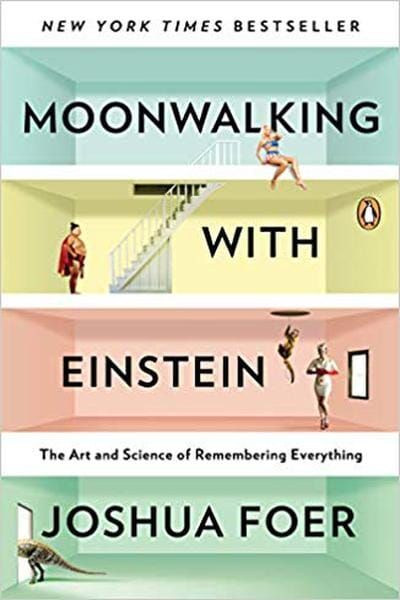
Moonwalking with Einstein Book Summary
In 'Moonwalking with Einstein', Joshua Foer takes readers on a mesmerizing journey through the world of memory, revealing how he transformed from a memory-challenged journalist to a USA Memory Champion. Exploring the fascinating techniques of memory athletes, he uncovers the science behind memory formation and recall. Foer combines personal anecdotes with history, psychology, and the quirks of the human mind. As he delves deeper into memory training, readers are left questioning the potential of their own minds. This captivating blend of memoir and exploration challenges us to rethink how we remember and what it means to truly learn.
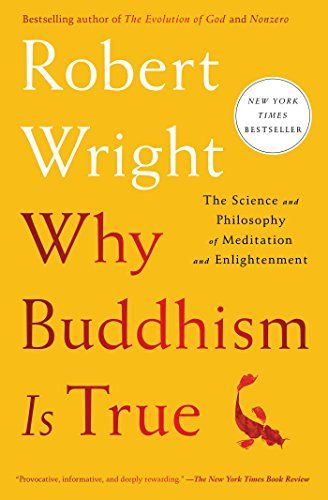
Why Buddhism is True Book Summary
In 'Why Buddhism is True', Robert Wright explores the intersections of modern psychology and ancient Buddhist philosophy, revealing how mindfulness can enhance our understanding of reality. He delves into the science of the mind, explaining why our thoughts often deceive us and how Buddhism offers a remedy. Through engaging anecdotes and thought-provoking insights, Wright demonstrates that the principles of Buddhism can lead to a more fulfilling life. He challenges readers to rethink their beliefs and consider the benefits of a Buddhist approach to pain and suffering. Will you discover the truth that can liberate your mind?
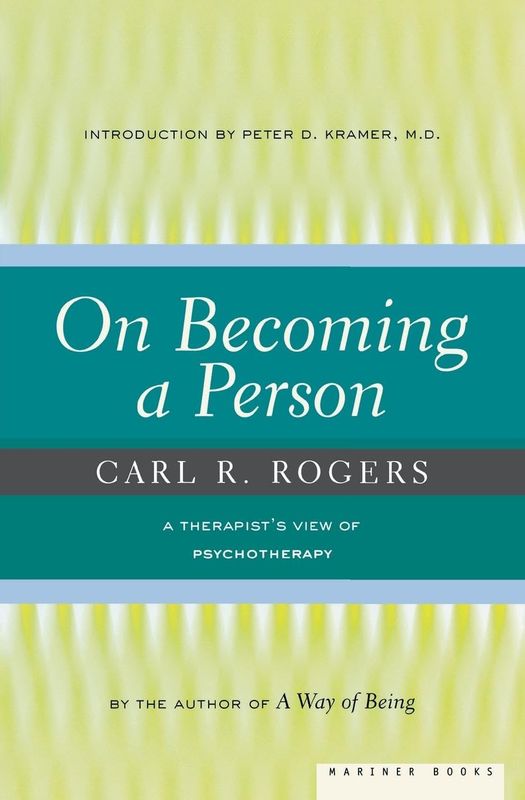
On Becoming a Person Book Summary
In 'On Becoming a Person,' Carl Ransom Rogers reveals the transformative power of a person-centered approach to therapy and personal growth. He emphasizes the importance of empathy, authenticity, and unconditional positive regard in fostering genuine relationships. Rogers chronicles his journey as a psychotherapist, intertwining theory with practical insights, and challenges traditional notions of authority in healing. This groundbreaking work invites readers to explore their own paths to self-discovery and acceptance. Discover how embracing vulnerability can lead to profound change and a deeper understanding of what it means to be truly human.

The Art of Happiness Book Summary
In 'The Art of Happiness', the Dalai Lama and psychiatrist Howard C. Cutler fuse Eastern spirituality with Western psychology to explore the essence of true happiness. They argue that happiness is not merely a fleeting emotion, but a state of being that can be cultivated through practices such as compassion, mindfulness, and self-reflection. Through engaging anecdotes and scientific insights, they invite readers to rethink their priorities and approach to life. Discover how shifting your perspective can unlock profound joy and fulfillment. Are you ready to embark on a transformative journey toward inner peace?
Showing 8 of 26 similar books
Take your reading experience to the next level
Download our mobile app to enjoy your favorite books on the go. Get access to exclusive features, offline listening, and personalized recommendations.

Similar Book Recommendations →

Adam Robinson's Book Recommendations
Adam Robinson is a distinguished author, financial advisor, and co-founder of the Princeton Review, which revolutionized the test preparation industry. He is renowned for his best-selling book "Cracking the SAT," which has guided countless students to achieve higher scores. Robinson's expertise extends beyond education into financial markets, where he is a respected global macro advisor. His contributions to literature and finance have earned him a reputation as a thought leader and innovator. Continually sought after for his insights, Robinson remains a pivotal figure in both the educational and financial sectors.

Andrew Huberman's Book Recommendations
Andrew Huberman is a renowned neuroscientist and tenured professor at Stanford University, where he leads the Huberman Lab, focusing on brain function, behavior, and health. He has significantly contributed to the understanding of neural plasticity, particularly how the brain can change in response to experience and injury. Huberman is widely recognized for his engaging public science communication, which includes the popular "Huberman Lab" podcast that translates complex neuroscience topics into accessible insights for broad audiences. His research has been published in leading scientific journals, earning him numerous accolades and fostering a deeper public appreciation for neuroscience. Additionally, his work extends into practical applications, influencing fields such as mental health, vision restoration, and performance optimization.

Alexis Ohanian's Book Recommendations
Alexis Ohanian is an American entrepreneur, investor, and co-founder of Reddit, one of the world’s most popular social news and discussion platforms. Ohanian is also a prominent advocate for open internet and net neutrality, and he has invested in numerous startups through his venture capital firm, Initialized Capital. In addition to his work in tech, Ohanian is involved in philanthropy, supporting causes related to women’s rights, education, and social justice. He is married to tennis star Serena Williams, and together they advocate for gender equality and inclusive leadership. Ohanian’s influence in the tech world and his commitment to social impact have made him a respected figure in both business and activism.

Barack Obama's Book Recommendations
Barack Obama is the 44th President of the United States, serving from 2009 to 2017. As the first African American president, Obama’s leadership marked a historic moment in American history. His administration focused on healthcare reform, economic recovery from the Great Recession, and environmental policies. He is best known for the Affordable Care Act, as well as his efforts to expand civil rights and restore diplomatic relations with Cuba. Since leaving office, Obama has continued to engage in public life through his foundation, focusing on leadership development, civic engagement, and global issues.

Nat Eliason's Book Recommendations
Nat Eliason is an influential writer, entrepreneur, and educator known for his insightful work on personal growth, productivity, and digital marketing. He founded Growth Machine, a successful SEO and content marketing agency that has helped numerous companies expand their online presence. Eliason's thought-provoking articles on his blog cover a wide range of topics, from philosophy to health, attracting a large and engaged audience. Additionally, he authored "Effortless Output with Roam," a comprehensive guide on using the Roam Research tool for knowledge management. Through his diverse contributions, Eliason has established himself as a significant voice in the realms of self-improvement and digital strategy.

David Perell's Book Recommendations
David Perell is a prominent writer and educator known for his influential work in the field of online education and digital writing. He is the creator of "Write of Passage," an acclaimed online writing course that has helped thousands of students refine their writing skills and build their personal brands. As a prolific blogger, Perell shares insights on topics ranging from technology and culture to productivity and creativity. His thought-provoking essays and articles have garnered a substantial following, establishing him as a thought leader in the digital age. Additionally, Perell hosts the popular "North Star Podcast," where he interviews leading thinkers and creators, further contributing to contemporary intellectual discourse.
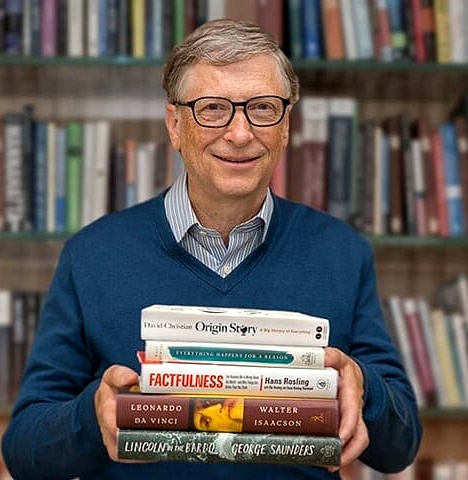
Bill Gates's Book Recommendations
Bill Gates, co-founder of Microsoft Corporation, is a pioneering figure in the tech industry, having played a key role in the personal computer revolution. His work at Microsoft, particularly the development of Windows, transformed software and computing globally. Beyond his technology contributions, Gates is also a prolific author, with notable works such as "The Road Ahead" and "Business @ the Speed of Thought," which offer insights into the future of technology and business. Additionally, his philanthropic efforts through the Bill & Melinda Gates Foundation have had a profound impact on global health, education, and poverty. Gates continues to influence both technology and literature with his forward-thinking perspectives and innovative ideas.

Brian Armstrong's Book Recommendations
Brian Armstrong is a renowned entrepreneur and author best known for co-founding and leading Coinbase, a major cryptocurrency exchange. His literary contributions include insightful writings on the future of digital currencies and blockchain technology. Armstrong's work has been pivotal in demystifying complex financial systems for a broader audience. Beyond his business acumen, his thought leadership in publications and public speaking engagements has cemented his status as a key voice in the fintech revolution. His dedication to innovation continues to influence the trajectory of global financial systems.
Showing 8 of 16 related collections
“The brain is not a static organ but a dynamic one, capable of growth and change, showing us that our potential is far greater than we ever imagined.”
The Brain That Changes Itself
By Norman Doidge
Frequently Asked Questions
Explore Our Catalogue
Discover a world of knowledge through our extensive collection of book summaries.
Genres
Genres
Genres
Featured Collections
- Top Book Club Picks
- One-Stop Nutrition
- Summer Reads 2024
- Best Beach Reads 2024
- Work-Life Balance Guide
- Time Management
- Healthy Foods
- Entrepreneur Toolkit
- Mind & Body Wellness
- Future Tech Insights
- Leadership Essentials
- Financial Freedom
- Sci-Fi Masterpieces
- Parenting 101
- Books That Became Blockbusters
- Guide to a Healthy Pregnancy