The New Executive Brain Book Summary
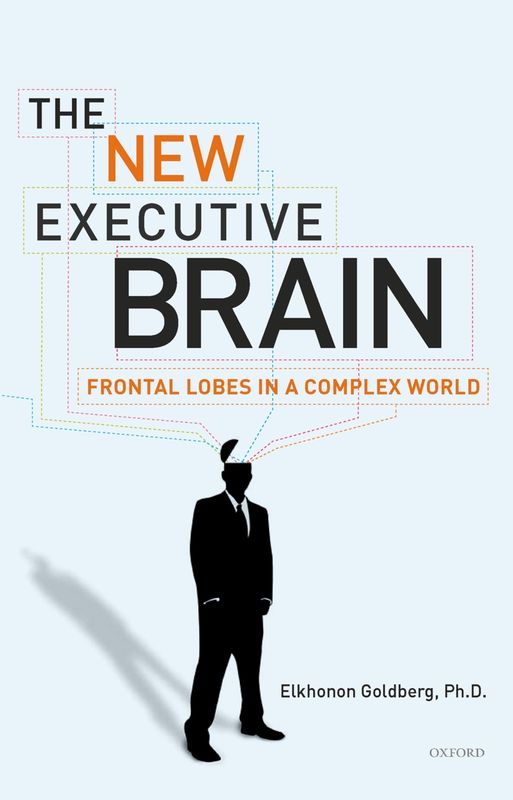
In 'The New Executive Brain', Elkhonon Goldberg delves into the vital role of the frontal lobes in navigating the complexities of modern life. He expertly intertwines neuroscience with practical insights, revealing how our brain's executive functions shape our decisions, social interactions, and creativity. Through captivating examples and groundbreaking research, Goldberg invites readers to explore the untapped potential of their own minds. As the world becomes increasingly intricate, understanding our cognitive capabilities is more crucial than ever. Are you ready to unlock the secrets of your brain's greatest executive powers?
By Elkhonon Goldberg
Published: 2009
"The ability to navigate complexity is not just a skill, but a testament to the power of our neural architecture and the potential of the human mind."

Start Listening to Book Summary
Book Review of The New Executive Brain
Elkhonon Goldberg's groundbreaking The Executive Brain was a classic of scientific writing, revealing how the frontal lobes command the most human parts of the mind. Now he offers a completely new book, providing fresh, iconoclastic ideas about the relationship between the brain and the mind.In The New Executive Brain, Goldberg paints a sweeping panorama of cutting-edge thinking in cognitive neuroscience and neuropsychology, one that ranges far beyond the frontal lobes. Drawing on the latest discoveries, and developing complex scientific ideas and relating them to real life through many fascinating case studies and anecdotes, the author explores how the brain engages in complex decision-making; how it deals with novelty and ambiguity; and how it addresses moral choices. At every step, Goldberg challenges entrenched assumptions. For example, we know that the left hemisphere of the brain is the seat of language--but Goldberg argues that language may not be the central adaptation of the left hemisphere. Apes lack language, yet many also show evidence of asymmetric hemispheric development. Goldberg also finds that a complex interaction between the frontal lobes and the amygdale--between a recently evolved and a much older part of the brain--controls emotion, as conscious thoughts meet automatic impulses. The author illustrates this observation with a personal example: the difficulty he experienced when trying to pick up a baby alligator he knew to be harmless, as his amygdala battled his effort to extend his hand.In the years since the original Executive Brain, Goldberg has remained at the front of his field, constantly challenging orthodoxy. In this revised and expanded edition, he affirms his place as one of our most creative and insightful scientists, offering lucid writing and bold, paradigm-shifting ideas.
Book Overview of The New Executive Brain:Frontal Lobes in a Complex World
About the Book Author
Elkhonon Goldberg
Elkhonon Goldberg is a renowned neuroscientist and author known for his contributions to the understanding of brain function and cognition. He is the author of several notable works, including 'The Executive Brain: Frontal Lobes and the Civilized Mind' and 'The Wisdom Paradox: How Your Mind Can Grow Stronger as Your Brain Grows Older.' In his writings, Goldberg blends scientific insight with engaging storytelling, effectively communicating complex neurological concepts to both academic and general audiences. His writing style is characterized by clarity and accessibility, making difficult subjects approachable for readers.
Book Details
Key information about the book.
- Authors
- Elkhonon Goldberg
- Published
- August 2009
- Publisher
- Oxford University Press, USA
- ISBN
- 0195329406
- Language
- English
- Pages
- 352
- Genres
- Cognitive PsychologyHealth and WellnessPsychologyPersonal Growth
Purchase Options
 Buy on Amazon
 Buy via BookShop
Support local bookstores: BookShop gives a portion of each sale to independent bookshops!
Similar books you might like →
The Psychology of Money Book Summary
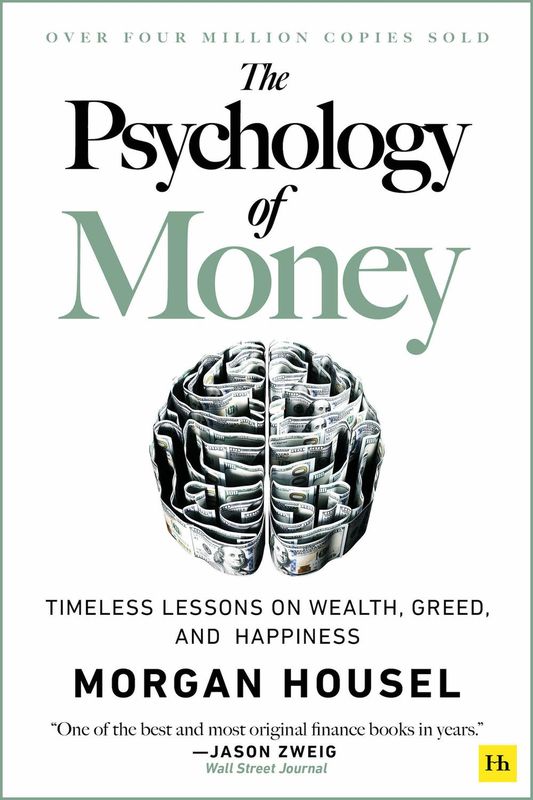
In "The Psychology of Money," Morgan Housel unravels the complex relationship between our emotions and financial decisions. Through captivating anecdotes and profound insights, he reveals that wealth isn't just about numbers, but about behavior and mindset. The book challenges conventional wisdom, urging readers to understand the subtle psychological forces that influence our spending and saving habits. Housel's reflections highlight the power of patience, humility, and a long-term perspective in building true financial success. Prepare to rethink everything you thought you knew about money and its role in your life!

How to Talk So Teens Will Listen and Listen So Teens Will Talk Book Summary
In "How to Talk So Teens Will Listen and Listen So Teens Will Talk," communication experts Adele Faber and Elaine Mazlish unveil essential strategies for bridging the generational divide. This transformative guide offers practical tools that empower parents to foster open dialogue, encouraging teens to express themselves honestly. Through relatable anecdotes and engaging techniques, readers discover how to navigate difficult conversations without conflict. The book emphasizes empathy and respect, reshaping interactions to strengthen trust and understanding. Unlock the secrets to connecting with your teen—your journey to better communication starts here!
The Psychology of Executive Coaching Book Summary
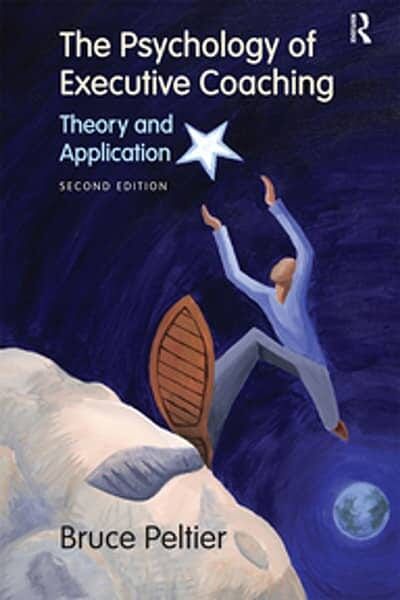
In 'The Psychology of Executive Coaching,' Bruce Peltier explores the intricate dynamics between coaches and leaders, revealing the psychological principles that underpin effective coaching practices. The book delves into the art of transformation, showcasing how understanding human behavior can unlock latent potential in executives. Peltier combines psychological theories with practical strategies to equip coaches with tools to navigate the challenges of leadership development. Through case studies and empirical research, he illustrates the profound impact of coaching on organizational success. This insightful read invites readers to consider how deep psychological insights can elevate executive coaching to new heights, making it a must-read for aspiring coaches and leaders alike.
Tao of Charlie Munger Book Summary
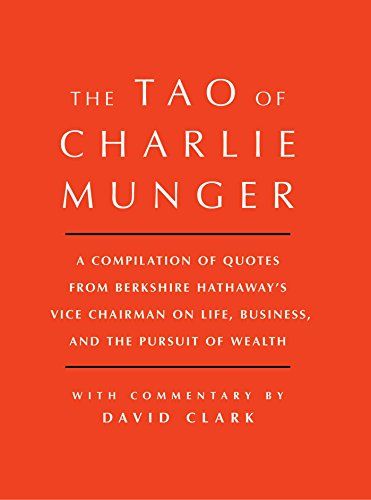
Dive into the mind of Charlie Munger, a legendary investor and confidant of Warren Buffett, who shares his extraordinary wisdom on decision-making and life strategy. This book decodes Munger's multi-disciplinary approach to thinking and outlines practical lessons drawn from diverse fields like psychology, mathematics, and philosophy. Readers will discover how Munger's principles can lead to better judgments and ultimately, success. With engaging anecdotes and sharp insights, this exploration of Munger's philosophy challenges traditional ways of thinking. Uncover the secrets behind Munger's unmatched clarity and learn how to apply these timeless principles to your own journey.
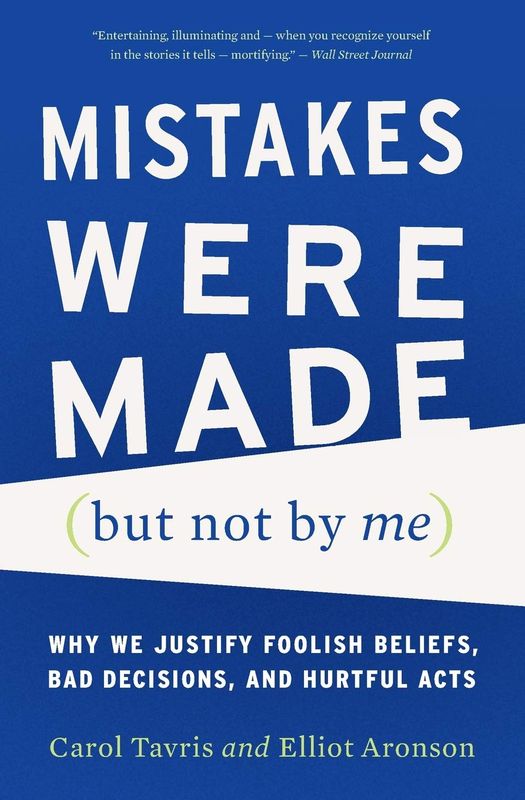
Mistakes Were Made (but Not by Me) Book Summary
In 'Mistakes Were Made (but Not by Me)', Carol Tavris and Elliot Aronson explore the psychological mechanisms of self-justification and the often-unconscious ways we avoid admitting our wrongs. With compelling examples from history, psychology, and personal anecdotes, the authors reveal why people, from individuals to large organizations, refuse to accept accountability. This thought-provoking book challenges readers to confront their own biases and the cognitive dissonance that influences decision-making. Will you choose to embrace the discomfort of acknowledging your mistakes? Dive into this enlightening read and discover the profound impact of accountability on personal growth and relationships.
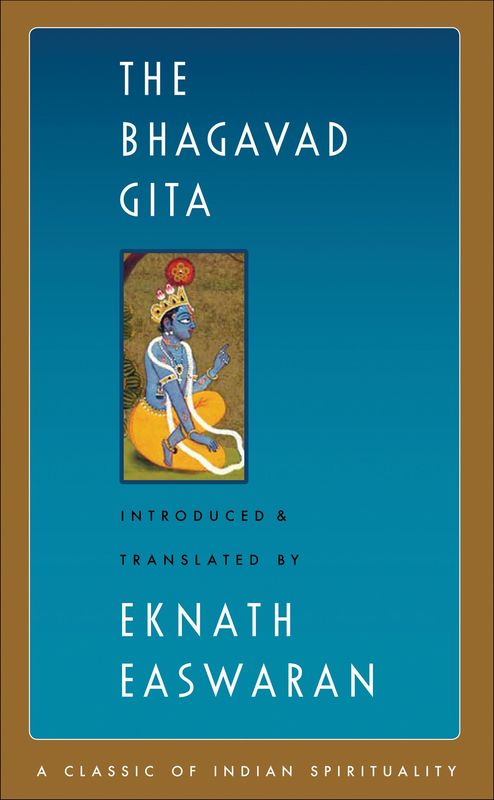
The Bhagavad Gita Book Summary
In 'The Bhagavad Gita', Eknath Easwaran presents a timeless dialogue between Prince Arjuna and the god Krishna, set on the battlefield of Kurukshetra. This profound text explores the moral dilemmas of war, duty, and the path to spiritual enlightenment. Easwaran's translation illuminates deep philosophical insights that resonate with modern struggles, encouraging readers to reflect on their own life choices. The Gita champions the interplay between action and devotion, revealing how one can find peace amid chaos. Prepare to embark on a transformative journey that challenges your understanding of purpose, ethics, and the essence of existence.
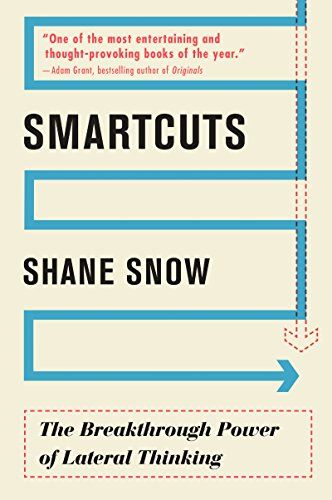
Smartcuts Book Summary
In 'Smartcuts', Shane Snow explores the unconventional paths that lead to success, revealing how leveraging creativity and strategic shortcuts can accelerate progress. Through captivating stories of innovators and game-changers, he challenges the traditional notions of hard work and time investment. Snow offers practical insights on how to think differently and break free from the status quo to achieve extraordinary results. With a mix of science, psychology, and real-world examples, this book ignites the imagination and encourages readers to rethink their own approaches to success. Are you ready to unlock the secrets of rapid achievement?

The Moon Is a Harsh Mistress Book Summary
Set on a lunar colony in the year 2076, 'The Moon Is a Harsh Mistress' follows a sentient computer and a group of rebels as they plot an uprising against the oppressive Earth government. The story weaves a tale of friendship, politics, and the quest for freedom, highlighting the complexities of an anarchist society. As the characters navigate betrayal and alliances, they explore the philosophical implications of liberty and self-governance. Heinlein’s witty narrative challenges readers to ponder the nature of authority and the price of revolution. This thought-provoking tale will leave you questioning the meaning of justice in a world where survival means rebellion.
Showing 8 of 29 similar books
Take your reading experience to the next level
Download our mobile app to enjoy your favorite books on the go. Get access to exclusive features, offline listening, and personalized recommendations.

Similar Book Recommendations →

Adam Robinson's Book Recommendations
Adam Robinson is a distinguished author, financial advisor, and co-founder of the Princeton Review, which revolutionized the test preparation industry. He is renowned for his best-selling book "Cracking the SAT," which has guided countless students to achieve higher scores. Robinson's expertise extends beyond education into financial markets, where he is a respected global macro advisor. His contributions to literature and finance have earned him a reputation as a thought leader and innovator. Continually sought after for his insights, Robinson remains a pivotal figure in both the educational and financial sectors.

David Heinemeier Hansson's Book Recommendations
David Heinemeier Hansson, also known as DHH, is a Danish programmer, entrepreneur, and author, best known as the creator of Ruby on Rails, a popular web application framework. Heinemeier Hansson is also a partner at Basecamp, a project management and collaboration software company he co-founded. His contributions to software development have earned him widespread recognition, with Ruby on Rails being used by thousands of developers and companies worldwide. Heinemeier Hansson is also a vocal advocate for remote work, simplicity in business, and sustainable work practices, ideas he explores in his bestselling books Rework and It Doesn’t Have to Be Crazy at Work. In addition to his work in tech, he is an accomplished race car driver, having competed in the 24 Hours of Le Mans. Heinemeier Hansson’s approach to work-life balance and entrepreneurship has made him a thought leader in the tech community, where he continues to challenge traditional business practices and advocate for more human-centered approaches to work

Darya Rose's Book Recommendations
Darya Rose is a celebrated author and neuroscientist known for her influential work in the field of nutrition and healthy living. She gained widespread acclaim for her book *Foodist: Using Real Food and Real Science to Lose Weight Without Dieting*, which offers a science-based approach to weight management and healthy eating. Rose holds a Ph.D. in neuroscience from the University of California, San Francisco, which lends credibility to her evidence-based recommendations. In addition to her writing, she is the creator of the popular blog Summer Tomato, where she shares insights on food, health, and lifestyle. Rose's work has inspired many to adopt more mindful and sustainable eating habits, making a significant impact on the wellness community.

Andrew Huberman's Book Recommendations
Andrew Huberman is a renowned neuroscientist and tenured professor at Stanford University, where he leads the Huberman Lab, focusing on brain function, behavior, and health. He has significantly contributed to the understanding of neural plasticity, particularly how the brain can change in response to experience and injury. Huberman is widely recognized for his engaging public science communication, which includes the popular "Huberman Lab" podcast that translates complex neuroscience topics into accessible insights for broad audiences. His research has been published in leading scientific journals, earning him numerous accolades and fostering a deeper public appreciation for neuroscience. Additionally, his work extends into practical applications, influencing fields such as mental health, vision restoration, and performance optimization.

Alexis Ohanian's Book Recommendations
Alexis Ohanian is an American entrepreneur, investor, and co-founder of Reddit, one of the world’s most popular social news and discussion platforms. Ohanian is also a prominent advocate for open internet and net neutrality, and he has invested in numerous startups through his venture capital firm, Initialized Capital. In addition to his work in tech, Ohanian is involved in philanthropy, supporting causes related to women’s rights, education, and social justice. He is married to tennis star Serena Williams, and together they advocate for gender equality and inclusive leadership. Ohanian’s influence in the tech world and his commitment to social impact have made him a respected figure in both business and activism.

Barack Obama's Book Recommendations
Barack Obama is the 44th President of the United States, serving from 2009 to 2017. As the first African American president, Obama’s leadership marked a historic moment in American history. His administration focused on healthcare reform, economic recovery from the Great Recession, and environmental policies. He is best known for the Affordable Care Act, as well as his efforts to expand civil rights and restore diplomatic relations with Cuba. Since leaving office, Obama has continued to engage in public life through his foundation, focusing on leadership development, civic engagement, and global issues.

David Perell's Book Recommendations
David Perell is a prominent writer and educator known for his influential work in the field of online education and digital writing. He is the creator of "Write of Passage," an acclaimed online writing course that has helped thousands of students refine their writing skills and build their personal brands. As a prolific blogger, Perell shares insights on topics ranging from technology and culture to productivity and creativity. His thought-provoking essays and articles have garnered a substantial following, establishing him as a thought leader in the digital age. Additionally, Perell hosts the popular "North Star Podcast," where he interviews leading thinkers and creators, further contributing to contemporary intellectual discourse.
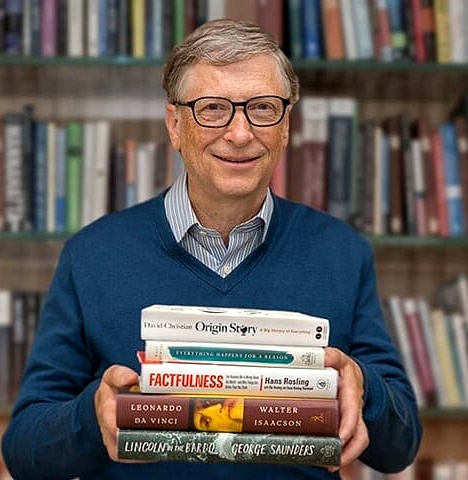
Bill Gates's Book Recommendations
Bill Gates, co-founder of Microsoft Corporation, is a pioneering figure in the tech industry, having played a key role in the personal computer revolution. His work at Microsoft, particularly the development of Windows, transformed software and computing globally. Beyond his technology contributions, Gates is also a prolific author, with notable works such as "The Road Ahead" and "Business @ the Speed of Thought," which offer insights into the future of technology and business. Additionally, his philanthropic efforts through the Bill & Melinda Gates Foundation have had a profound impact on global health, education, and poverty. Gates continues to influence both technology and literature with his forward-thinking perspectives and innovative ideas.
Showing 8 of 14 related collections
“The ability to navigate complexity is not just a skill, but a testament to the power of our neural architecture and the potential of the human mind.”
The New Executive Brain
By Elkhonon Goldberg
Frequently Asked Questions
Explore Our Catalogue
Discover a world of knowledge through our extensive collection of book summaries.
Genres
Genres
Genres
Featured Collections
- Top Book Club Picks
- One-Stop Nutrition
- Summer Reads 2024
- Best Beach Reads 2024
- Work-Life Balance Guide
- Time Management
- Healthy Foods
- Entrepreneur Toolkit
- Mind & Body Wellness
- Future Tech Insights
- Leadership Essentials
- Financial Freedom
- Sci-Fi Masterpieces
- Parenting 101
- Books That Became Blockbusters
- Guide to a Healthy Pregnancy